Gov. Greg Abbott announced a nearly $148 billion investment toward Texas transportation projects on Aug. 27.
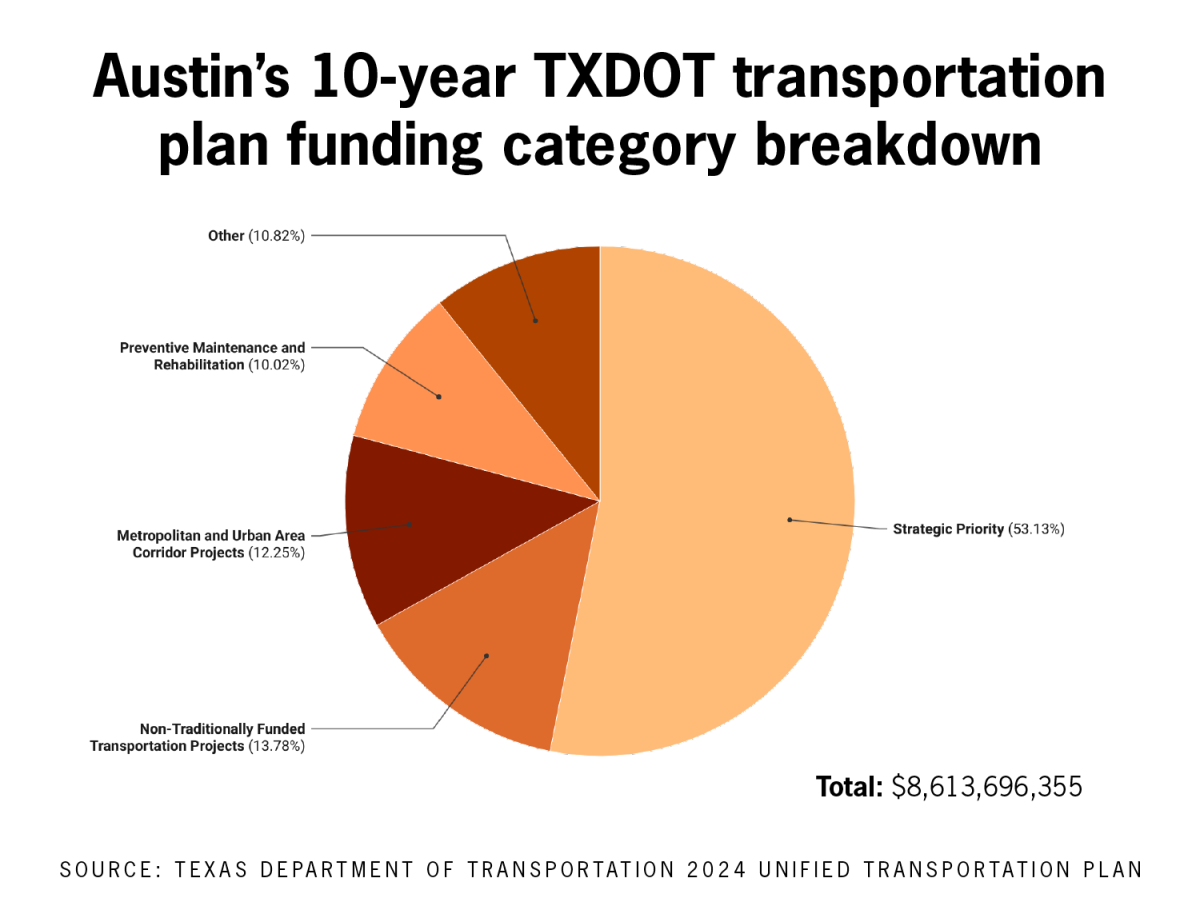
The announcement includes the Texas Transportation Commission’s approval of $104.2 billion toward the Texas Department of Transportation’s annual plan, which aims to improve safety and connectivity across the state. In the 2025 plan, the Austin district received over $8.6 billion, according to an email from TxDOT spokesperson Jeff Barker.
According to the plan, the Austin district uses much of the funding for congestion relief projects. One of the projects, the I-35 Capital Express Central project, is a $4.5 billion project and the first major reconstruction of Interstate 35. The project will remove the upper decks of the interstate and add two high-occupancy vehicle lanes between U.S. 290 East to SH 71/Ben White Boulevard.
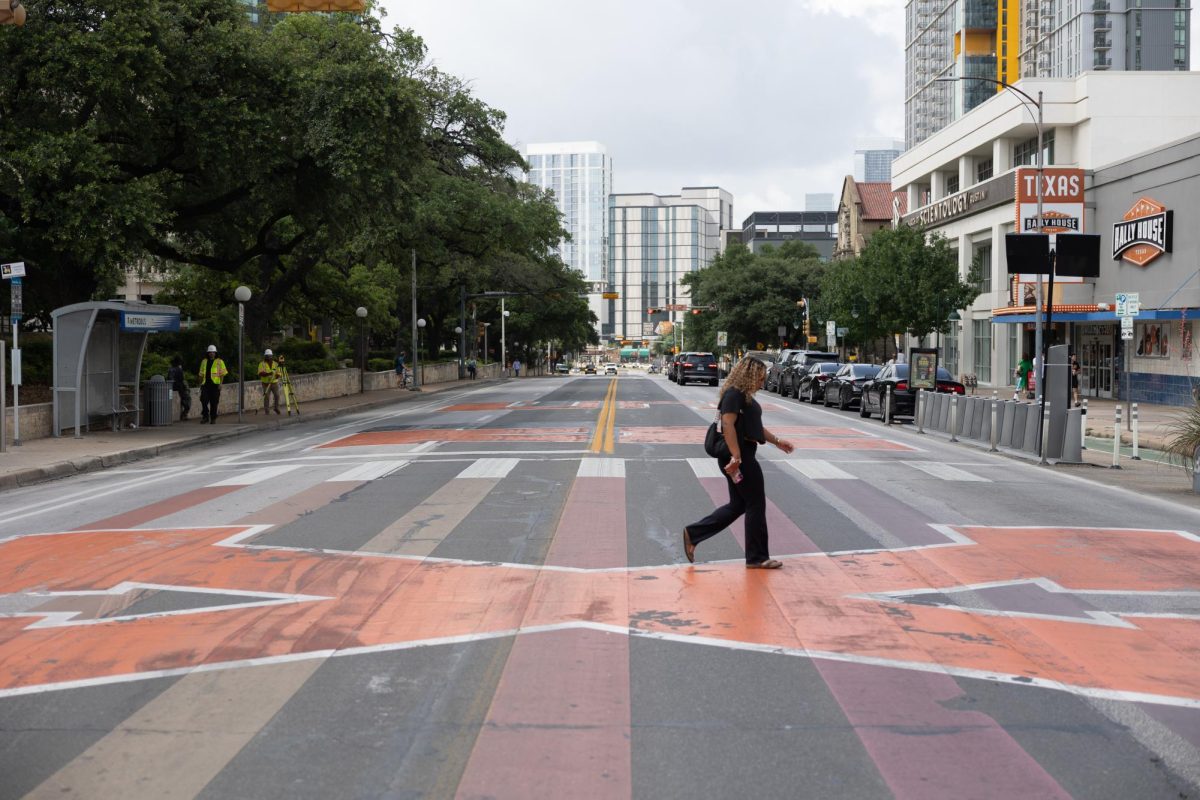
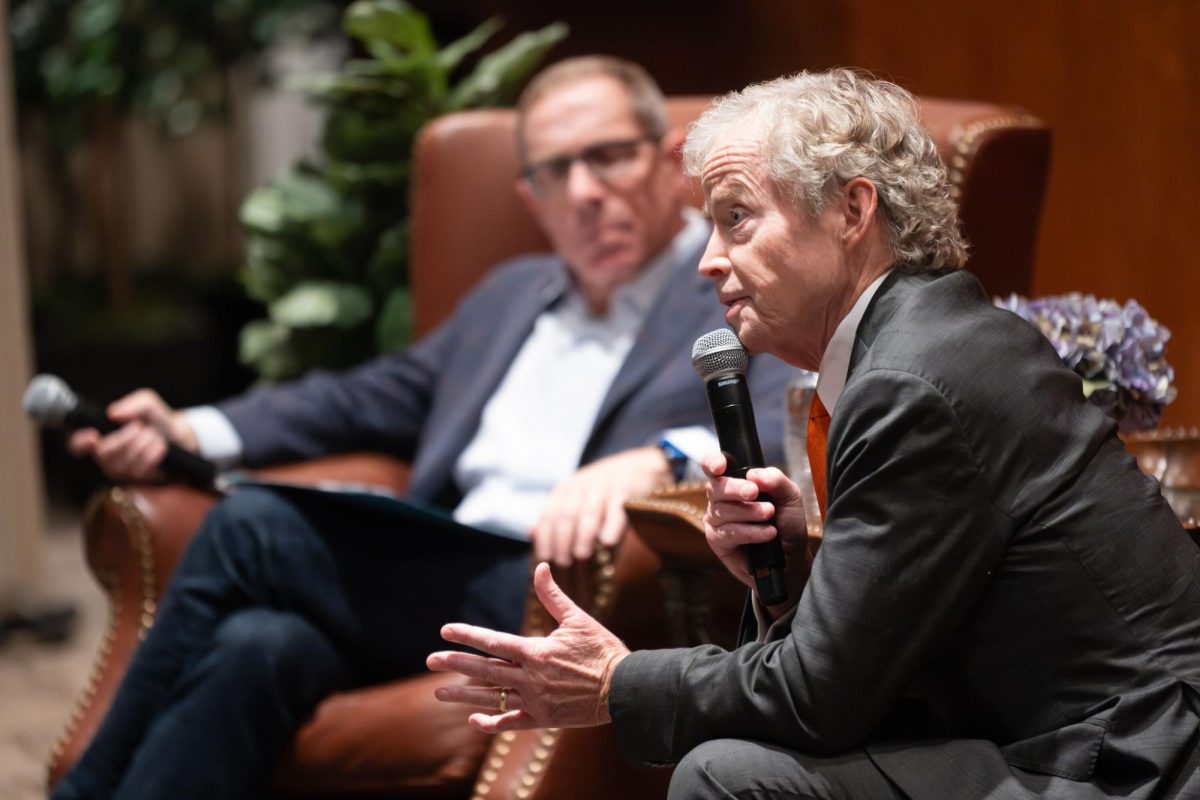
Besides new lanes, the project includes safety enhancements, including new bicycle, pedestrian paths and transit accommodations. Greg Anderson, a city of Austin planning commissioner and urban planning assistant professor, said many people want to shift to a more walkable lifestyle.
“We’re realizing more and more (that only getting around using automobiles) is terrible for the environment (and) it’s terrible for our health,” Anderson said. “That leads to sedentary lifestyles, and it’s just not as attractive as it once was.”
Economics sophomore Jenna Pham commutes to campus daily using I-35 and said the traffic is inevitable.
“(The congestion) is just a hard thing to find a solution for because it’s happening every day, so you don’t really know when to implement it,” Pham said.
Anderson said TxDOT is mandated by the state legislature to allocate a majority of its funding to auto infrastructure, which makes it difficult for them to fund other more sustainable projects.
“It’d be great if TxDOT could help fund it a little bit more instead of concentrating so much on just trying to build free vehicle lanes,” Anderson said. “Austin and other major metros in Texas, number one, look to be connected to each other via sustainable transit, but two, look to be connected within themselves with high quality, frequent transit options.”
Physics graduate student Nicholas Inzunza said he bikes, walks and takes the bus frequently around Austin. He said sometimes the bike lanes are not paved well, but overall, he feels safe walking and biking around Austin.
“I get around well in Austin, just from walking and from the bus,” Inzunza said. “If (Austin) wanted to move away from cars, they would probably have to make bigger or wider bike lanes or something like that because the bike lanes are pretty small.”
Anderson said that in Austin, areas with good access to transit and the most walkable and bikeable parts of town are typically places where it is difficult to build new housing.
“If we want to build communities and grow affordable housing options, then we’ve got to figure out more ways to invest in transit and other forms of active transportation,” Anderson said.