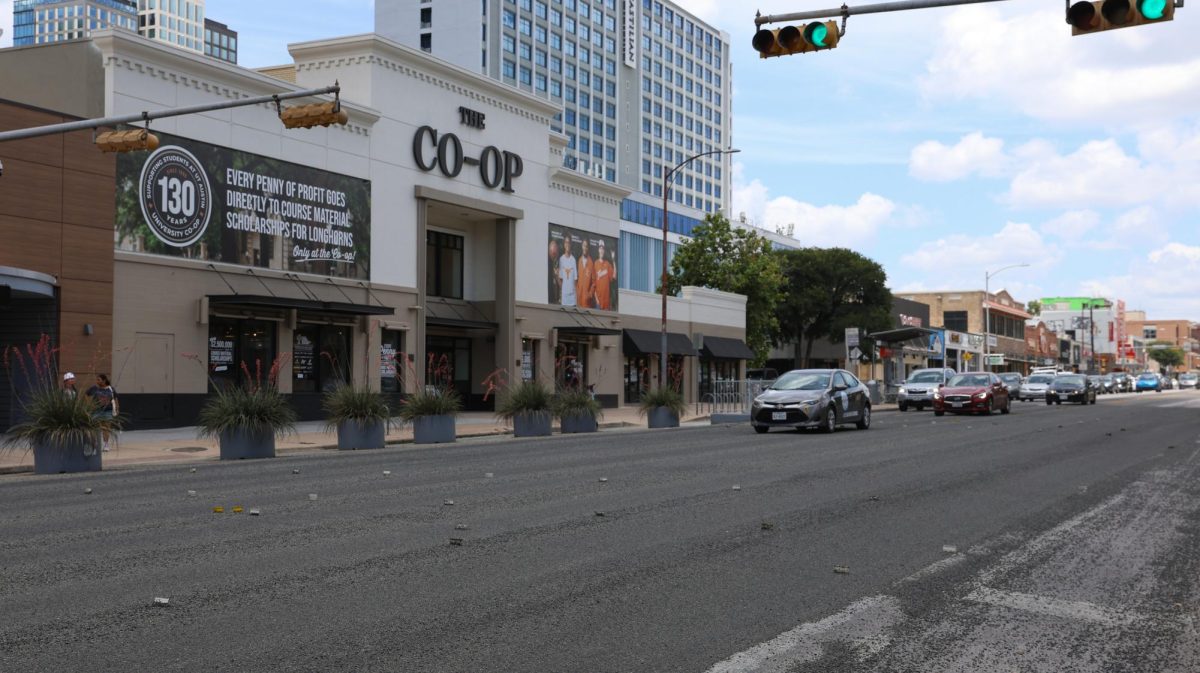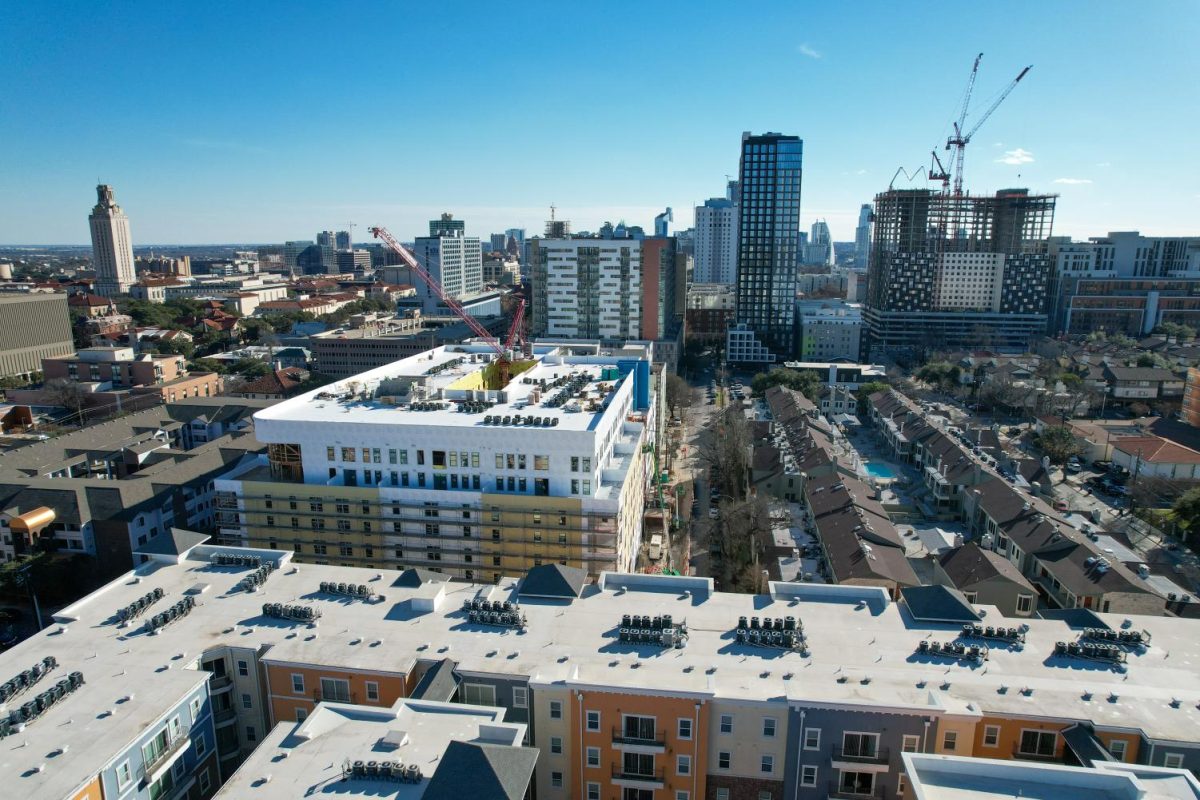
A Jan. 2 report analyzed the success of the 15 active density bonus programs in Austin, including the University Neighborhood Overlay program used in areas like West Campus, which promotes high-density development in exchange for affordable housing and other community benefits like reduced parking requirements and pedestrian-oriented street design.
The report, which the Austin City Council commissioned, found that rents for UNO units are higher than those charged in other city density bonus programs but are still considered affordable under the 60% median family income threshold.
The UNO program maintains a separate set of pricing standards that charge by individual bedroom in the housing unit, rather than household income applied to a multi-bedroom unit in other city density bonus programs.
Alan Pani, a principal planner for the city of Austin, said different community members were interested in averaging units across different income levels to avoid concentrating affordability requirements on one level, such as 60% median family income.
“For example, a project requiring 10 units at 60% of (median family income) could provide five units at 80% of (median family income) and five units at 40% of MFI and meet the requirement,” the report stated.
According to the most recent UNO amendment in 2019, 10% of the property units must be reserved for people earning at or below 60% of the median family income in Austin. An additional 10% of units is reserved for people earning at or below 50% of the median family income.
Pani said students often qualify for affordable housing through student loans, which makes creating multiple median family income levels for bedrooms difficult.
“It would be very hard to distinguish between someone who has a very large loan or a smaller loan,” Pani said. “It’s a little bit harder than a typical development where we are looking at your actual income and determining what your median family income is because students don’t typically have income in the same way.”
Alternatively, the report recommends a second option to set aside “more distinct” percentage thresholds to allow for more affordability at specific income levels.
Paul Books, a senior planner for the city, said the team will continue working with the housing department to revise UNO rent pricing standards toward greater affordability and will bring a final ordinance to the City Council later this spring.
Justin Lanier, policy director of the University Tenants’ Union, a student-led group advocating for tenant rights in the West Campus area, said it’s important to evaluate different income thresholds as they meet students’ needs. Lanier said he also understands the challenges of balancing affordability, sustainability and long-term growth in the neighborhood.
“In a place like West Campus, my feeling is that the demand for housing there is very inelastic,” Lanier said. “Which is to say that it’s always going to be there.”
Council Member Zo Qadri, who represents District 9, which includes West Campus, and who authored last April’s resolution to update the UNO program, focused on improving affordability and livability in the amendment.
“There is more to be done to ensure meaningful affordability continues to be created for students,” Qadri said in an email statement. “Our plans for UNO expand beyond addressing affordability as we strive to improve the overall quality of life for everyone who lives or works in West Campus.”