One team is responsible for over 5,000 trees growing on University grounds — almost all of which are accounted for on a database calculating the trees’ cumulative benefits to the environment and human health, including the 151 added to the campus tree inventory in 2024.
The database takes diameter measurements of individual tree trunks and data on local weather and air quality to produce calculations on the total environmental and health benefits all campus trees contribute over a set period of time.
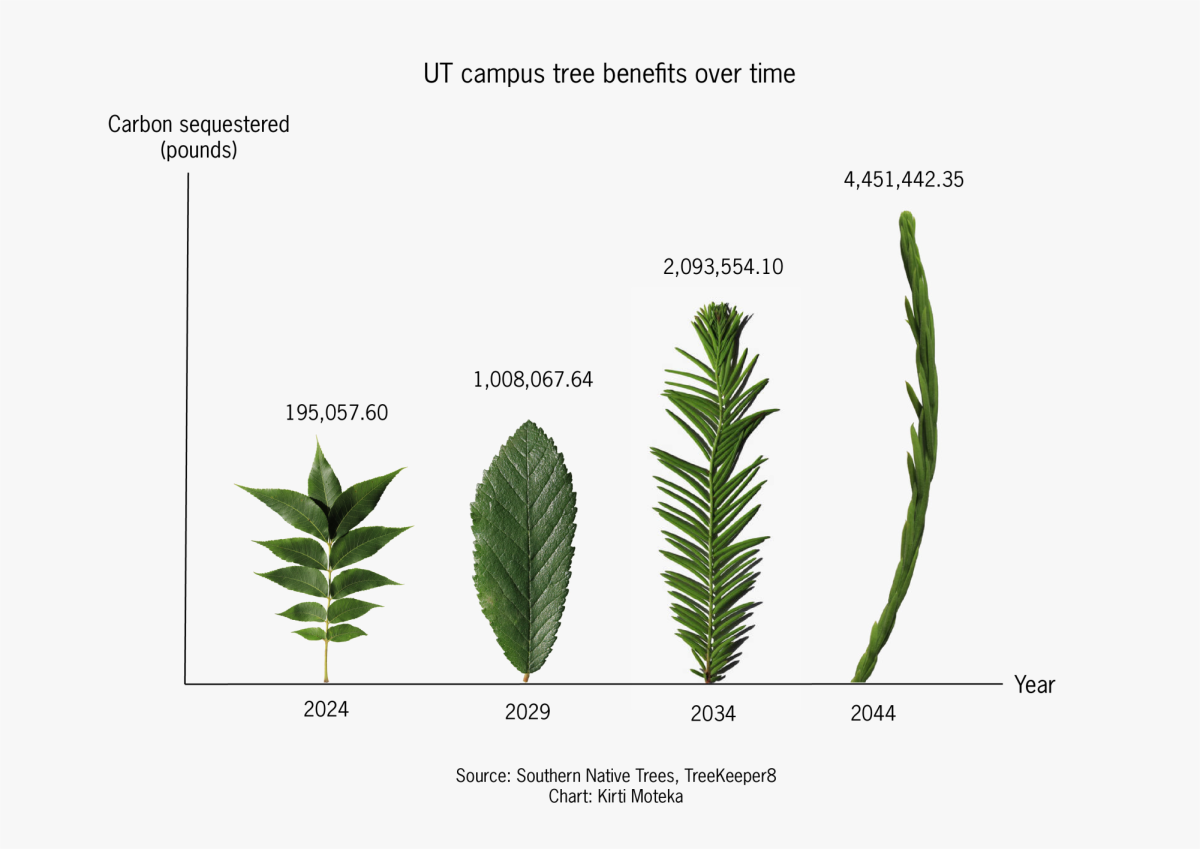
Campus trees can absorb an estimated 715,661 pounds of carbon dioxide from the atmosphere in one year. This figure is equivalent to the emissions produced from driving 76 gasoline-powered vehicles in one year, according to the Environmental Protection Agency.
In 20 years, the model estimates the trees planted on-campus would absorb 16.3 million pounds of carbon dioxide from the atmosphere.
In the nine years since the urban forestry team mapped tree distribution on campus, the database has helped community members interact with green spaces more meaningfully, said Jim Carse, assistant director of landscape services. However, because the data used for calculation was collected in 2016 and has not been updated since, Carse called it a “snapshot in time.”
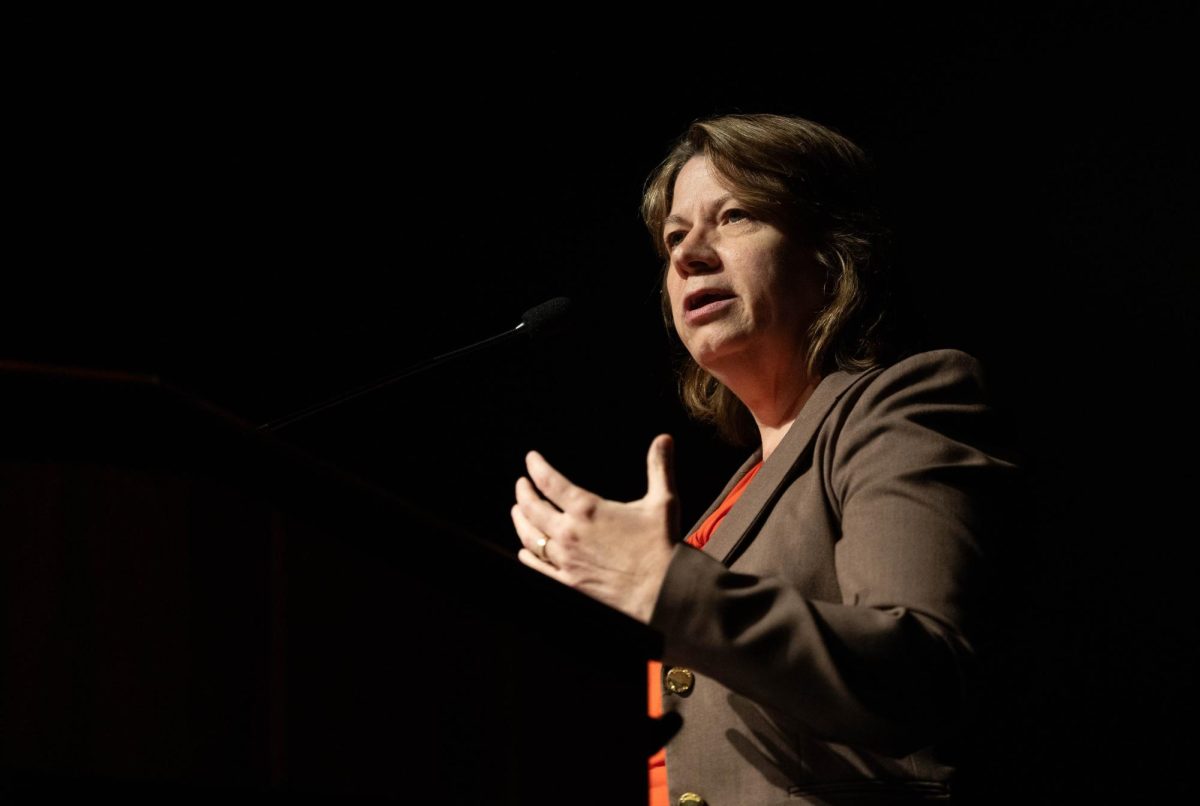
With a team of five people, data maintenance is challenging, urban forestry supervisor Jennifer Hrobar said. She said that as trees grow, discrepancies in the carbon absorption estimates can arise.
In addition to “intrinsic benefits” like shade and cooling, campus trees provide benefits that are not currently quantified like tree canopy and coverage. While the current model provides Hrobar a good estimate of the cumulative benefits, she said the team looks to collect data on tree canopy cover, measuring the amount of ground covered by a tree’s crown, or its branches and leaves.
Hrobar said she is interested in re-measuring the trees and assessing how the tree canopy has changed alongside campus development. The data would give Hrobar and her team a better understanding of the energy-saving benefits trees provide. For example, Carse said for every $1 invested in the maintenance of campus trees, the University receives $4 in benefits.
“We want the diversity of sizes and species,” Hrobar said. “But our goal also is to ensure the health of trees so that they can reach their mature potential and the sizes that provide those benefits — the shade, the cooling, the air quality impacts, the stormwater mitigation impacts, the value for wildlife.”
Lydian DiDonato, a youth and community studies junior, said she appreciates the benefits of trees on campus but hopes that more students can engage with on-campus outreach efforts.
“Everybody can understand the benefits of trees,” DiDonato said. “Everybody knows that when it’s hot out, trees provide shade, and they can recognize that, but I think it’s putting words to that and understanding the science behind it that’s important.”