Editor’s note: The doctoral candidate quoted in the article is speaking independently and not on behalf of the University.
When Tim first arrived at UT as a visiting international student, he felt free to exercise his right to protest and use his voice to speak on issues he’s passionate about. In light of recent changes to immigration enforcement and regulations impacting students’ visa eligibility and legal residency status, he said he is fearful that any minor infraction could affect his status.
Since April 11, more than 170 students across UT System institutions have experienced visa revocations or changes in legal residency status, including multiple students at UT-Austin. Across the country, more than 1,500 students have experienced a change in their visa or legal residency status, according to data from Inside Higher Ed.
Following President Donald Trump’s return to office, Tim said he felt uncertain about his ability to take a stance on issues he feels passionate about, including pro-Palestinian advocacy.
“When you decide to apply for the ability to study in the U.S., you definitely have your plan and you spend a lot of money and time to engage in academia,” said Tim, who asked to remain anonymous and be referred to under a pseudonym because of fear of repercussions. “We (now) have the (sense of) uncertainty (that) you could have your visa revoked for very trivial things.”
If a student’s record is terminated in the Student Exchange and Visitor Information System database, their legal status is no longer active, and they may be exposed to additional immigration enforcement actions by Immigration and Customs Enforcement.
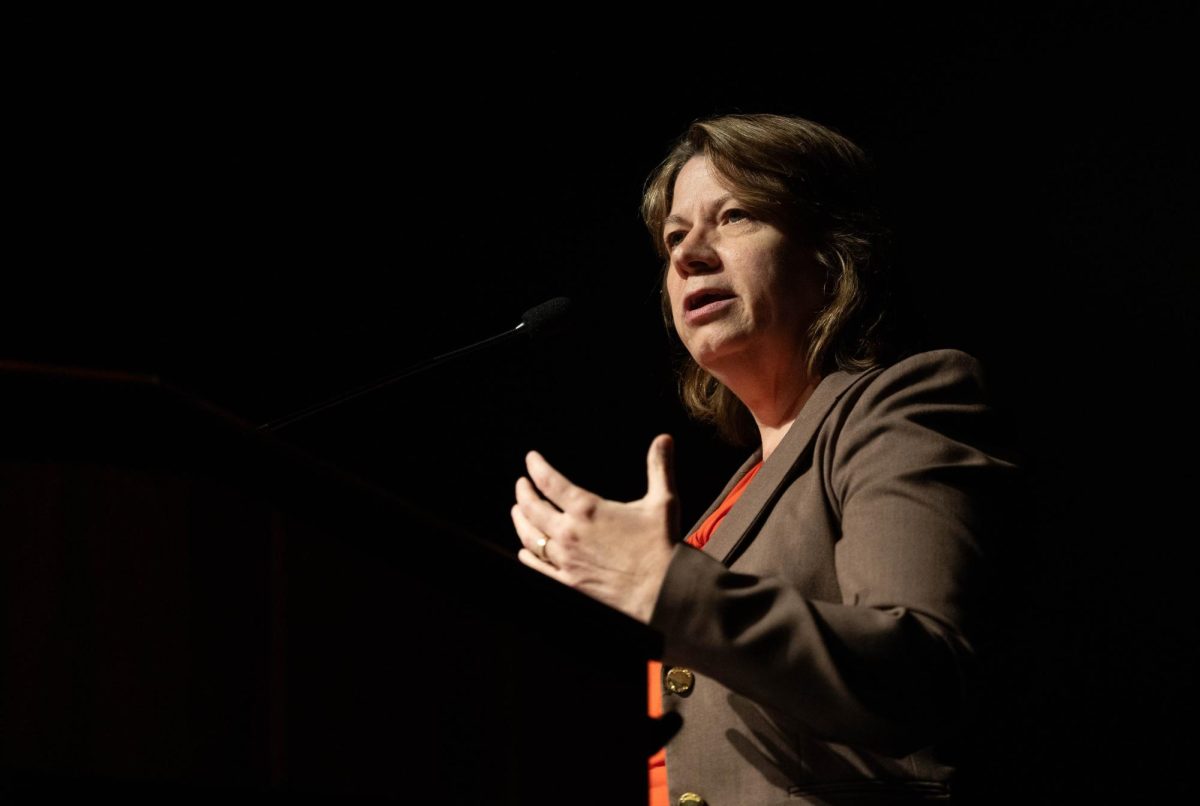
International Student and Scholar Services contacts affected students immediately after the office is informed of a potential record termination in the system, said Sonia Feigenbaum, the senior vice provost for global engagement and chief international officer at Texas Global, during an April 21 Faculty Council meeting.
“We have been working very closely with a variety of offices and units across the University to make sure that we support all international students and scholars who have concerns,” Feigenbaum said.
The distinction between a visa revocation and the termination of a Student Exchange and Visitor Information System record is important to understand, Feigenbaum said.
According to the Department of Homeland Security, conditions for visa ineligibility apply if a student violates the terms of their visa, such as working without authorization or not maintaining a full course load. While the Department of State can revoke a student’s visa, revocation alone does not require the student to leave the U.S. immediately, according to a policy brief by the American Immigration Lawyers’ Association.
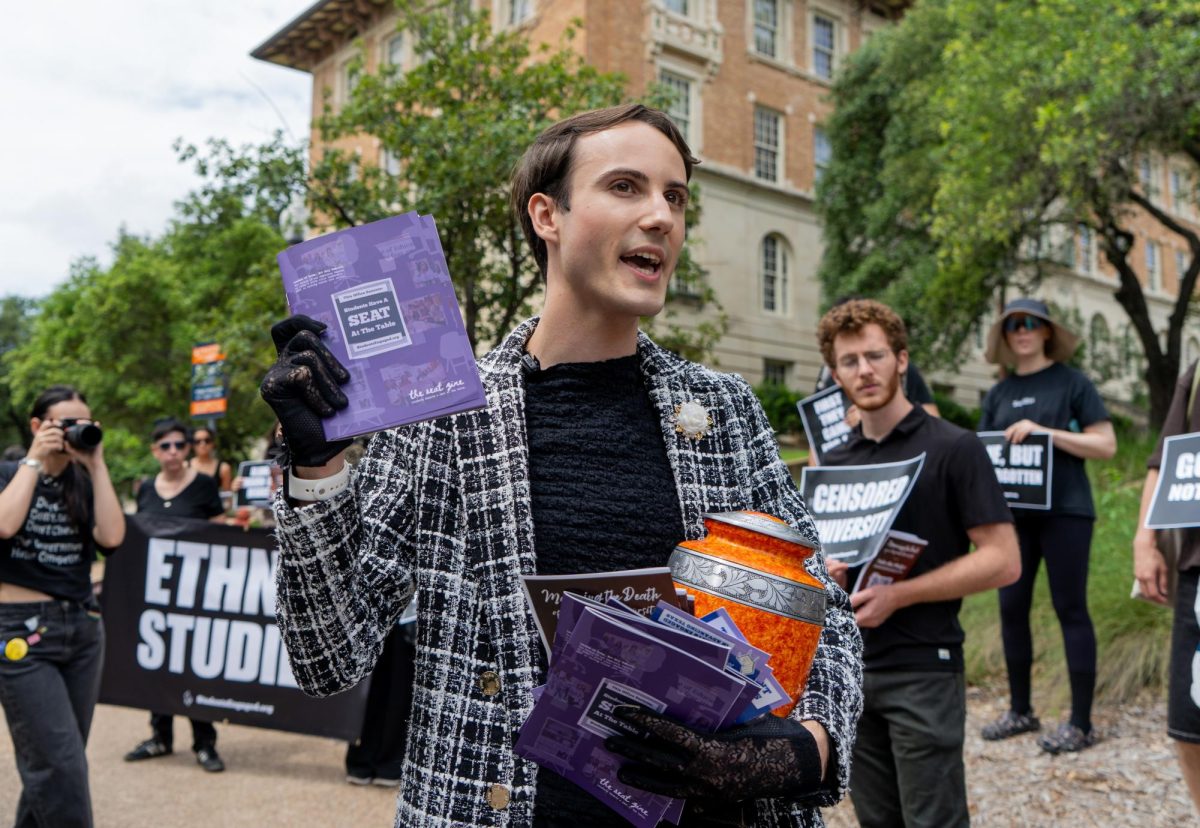
In response to the revocation of student visas on campus, University Democrats held a rally on April 21 to stand in solidarity with impacted students at UT. State House Rep. Vikki Goodwin spoke at the rally, calling attention to recently proposed reductions in funding for Texas public universities. She said both state and federal policy implementation were part of a larger “dismantling of public institutions.”
“It’s all tied together, whether it’s revoking visas, whether it’s removing funding for (diversity, equity and inclusion) — all of these things go hand in hand with the administration just trying to put immense pressure on people to conform and not dissent,” Goodwin said.
David Spicer, doctoral student in the College of Education and president of the Graduate Student Assembly, said he met with 17 graduate student leaders from both private and public universities across the country to discuss how different campuses are responding to visa revocations specific to their community.
Compared to other universities with similar policies on institutional speech and expression, Spicer said he was concerned about the University’s lack of response as a “misapplication of neutrality.”
“Information can be empowering, offering students the opportunity to engage with that information to their level of comfortability,” Spicer said. “It’s more so noting, ‘Where does this issue intersect with fundamental values of the University?’”