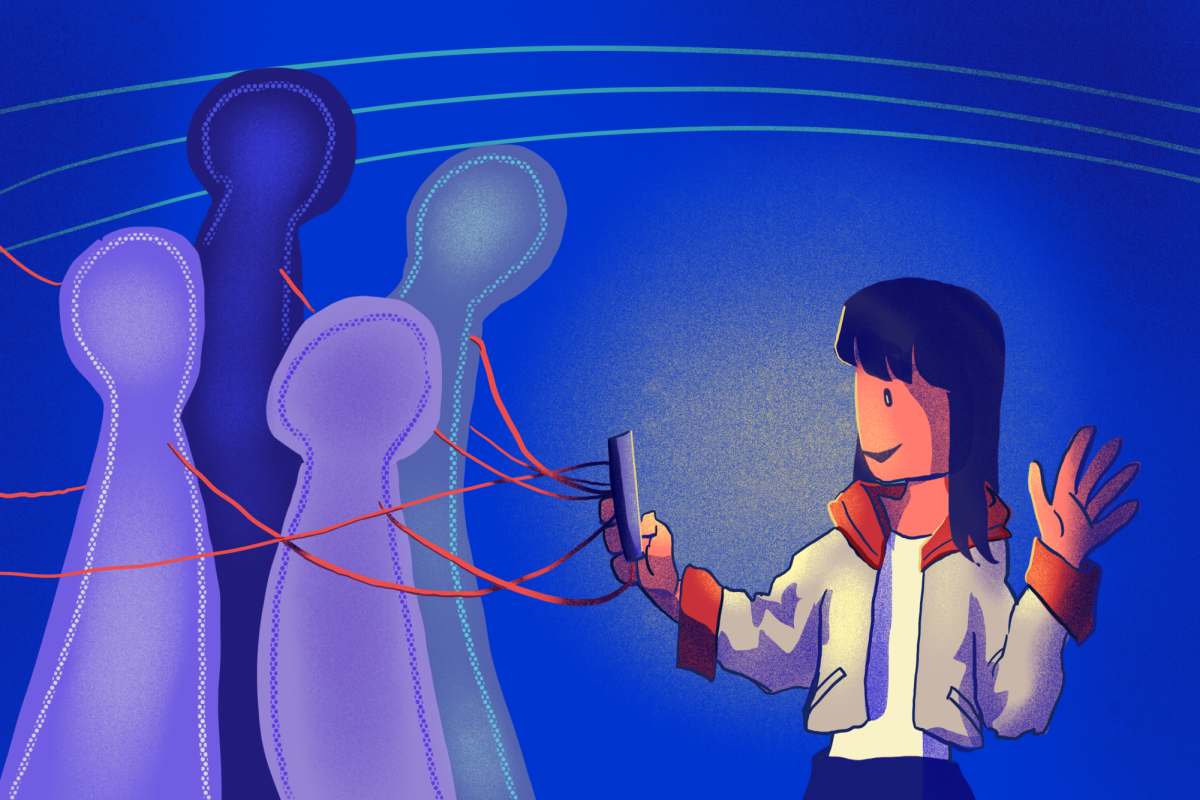
At UT, resilience has become a currency. Students are applauded for pushing through exhaustion, navigating broken systems and taking on responsibilities that leave little room to breathe. Stories of late-night study sessions and mental breakdowns are treated like proof of grit. Resilience is praised as if the ability to endure extreme suffering is a defining Longhorn trait.
However, resilience can come at a cost. The more that students are celebrated for “overcoming” hardship, the more they risk normalizing extreme pressures as part of the college experience. In some cases, resilience is not a sign of strength but a symptom of systemic neglect.
When students are praised for surviving, the question becomes: What are they surviving? For some, it’s a mental health system that remains difficult to navigate. Others may face bureaucratic hurdles, financial instability or an academic culture that glorifies overwork. Many are working part-time jobs or supporting family members while trying to meet impossible expectations. These pressures don’t just exhaust students; they shape which opportunities they can pursue and whether they feel safe asking for help.
“We’re trying to change that narrative and not push people to say that your (only) option is to deal with it,” said Deborah Cohen, associate professor in the department of Psychiatry and Behavioral Sciences and executive director of the Amplify Center. “The goal is to change that.”
Support services do exist, but students often only encounter them after a breaking point. Resources are spread thin, and long wait times for counseling appointments leave some students feeling like they have no choice but to “tough it out.” A national survey by the Association for University and College Counseling Center Directors found that only about 11.3% of students at four-year schools accessed their campus counseling center in the 2023-24 school year. By celebrating their resilience without addressing why it’s necessary, we risk perpetuating a culture where students’ struggles remain invisible until they’re in crisis.
Resilience is an admirable trait, but when survival is treated as a rite of passage, students internalize suffering as a signal of success. The message is clear: if you’re not burning out, you’re not working hard enough. With this mindset, asking for help becomes a kind of weakness, even if support is available.
“Those deep cultural issues are hard to overcome,” said Katy Redd, executive director of the Longhorn Wellness Center. “These are messages that are often relayed to us throughout our entire lives … that you’re only successful if you’re doing, doing, and going and going.”
Students are already talking about burnout, frustration and exhaustion. What’s missing is a platform to make that conversation actionable. A student-led campaign where students identify the bureaucratic, academic or health-related barriers that forced them into resilience and then push for specific reforms could be beneficial. Students could openly share stories of struggling through convoluted financial aid processes or feeling unsupported in a demanding major, among other issues. Those stories aren’t just cathartic, they’re evidence. By documenting the cost of resilience, students could push for policies that simplify bureaucracy and create more flexible academic structures. Some groups, like unJaded, already work to destigmatize burnout and promote student advocacy, but these efforts aren’t widely known. The campaign could amplify their work, engage more students in advocacy and help ensure that existing resources reach those who need them most.
“It’s always powerful when change is coming from within,” Redd said. “The people who are closest to the issue … are part of the solution.”
Some may argue that universities should respond to burnout culture by investing more heavily in institutional support, whether that be in the form of expanded mental health services or transparent financial aid. While these measures are valuable, they often take years to implement and can feel distant from students’ day-to-day experiences. A student-led campaign offers a chance to name the barriers students face, share their stories publicly and push for actionable fixes. By shifting the conversation to collective advocacy, students can change how resilience is understood on campus.
“When you’re looking to make change, you have to involve the intended audience,” Redd said. “(Students that) have some kind of shared experience … or are working through some similar issues … can be a really powerful way to make this kind of big campus feel a whole lot smaller.”
Resilience should be a choice, not a survival mechanism. Students need a culture where thriving is the norm, not just enduring. That means reevaluating what we choose to celebrate.
Chitturi is a statistics and data science junior from Houston, Texas.