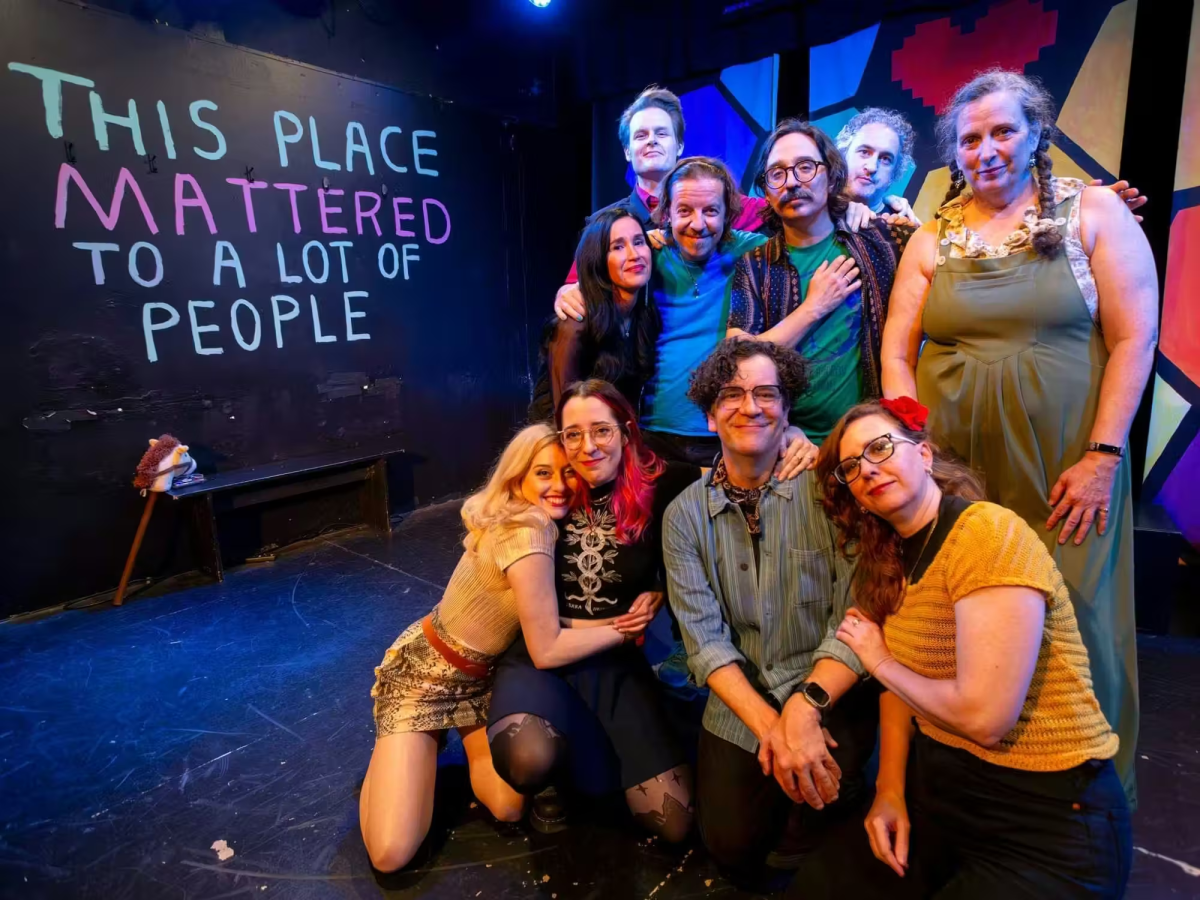
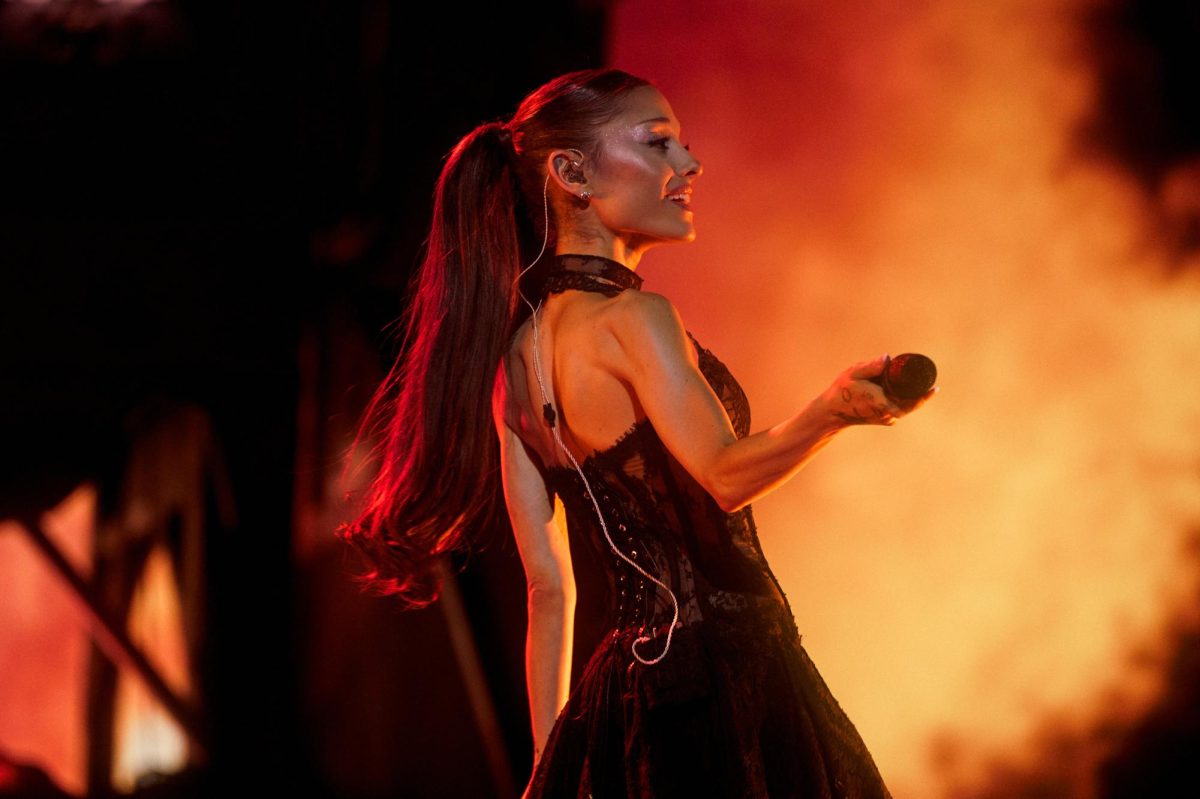
This past Friday, a mostly female crowd meditated, massaged their feet and bounced up and down at their seats. These communal body scanning practices constituted “LUMINESCENCE: A Woman’s Health and Menopause Summit,” held at Bass Concert Hall.
The event featured speakers, who led the audience through mindfulness exercises, described their personal experiences with and the science behind menopause. The speakers also gave recommendations to manage menopause symptoms. Schuyler Grant, a yoga instructor and member of online wellness platform Commune, which organized the summit, started the night with a group meditation.
“(We’re here) … to be reminded that as women, we are not just a part of the natural cycle,” Grant said during the guided meditation. “But that we, in fact, are the keepers of the flame. … Long before there’s been history — his story — there were mothers.”
The summit aimed to ignite conversation around menopause, which journalist Tamsen Fadal said is not discussed frequently enough. Fadal recounted her first time experiencing hot flashes while anchoring a news broadcast. The journalist said she met five different doctors in an effort to understand her symptoms, signaling a systemic problem in healthcare.
“It’s not just about what happens when we hit menopause,” Fadal said. “It’s about what happens when women are given silence instead of information. … A lot of the systems that we have trusted have failed us very, very hard.”
After Fadal’s speech, orthopedic sports surgeon Vonda Wright explained the science of menopause, in which a female ceases having periods and experiences a complete drop in the hormone estrogen.
“Chaos happens,” Wright said.
Wright said estrogen loss affects every part of the body, from cholesterol levels to mood. Menopause symptoms can include pain, brain fog and memory issues. Wright said her patients’ usual doctors don’t find anything wrong with them, making them feel like they’re crazy.
“A woman (would come) into my clinic and (say), ‘I think I’m falling apart,’” Wright said. “They say, ‘You know what, doc? I have a high pain tolerance, and I didn’t want to come in today,’ as if we’re going to wear that like a badge of honor. … They say, ‘But you know what? I couldn’t do it anymore.’”
The final presentation featured Mary Claire Haver, an obstetrician-gynecologist and prominent menopause specialist. Haver said women spend 20% of life in poorer health than men because diseases heavily affecting women go underfunded.
“My patients don’t want to live forever,” Haver said. “What they don’t want is a life plagued with chronic disease, plagued with frailty (and) plagued with dementia. Not because they don’t mind suffering. We’ve been taught to suffer. … They don’t want to burden their children.”
Haver cited exercise, a nutritious diet of protein, fiber and minimal sugar and adequate sleep as some solutions for navigating menopause. She also mentioned hormone therapy as a potential option and encouraged the audience to view the menopausal life stage positively.
“Talk to your friends. Share your experiences,” Haver said. “Don’t be ashamed of being menopausal.”
Grant closed out the event with a call to action.
“Insist that your healthcare providers … do better for 51% of the population,” Grant said. “Because honestly, health care and wellness and safety should not be a privilege. They should be a human right.”