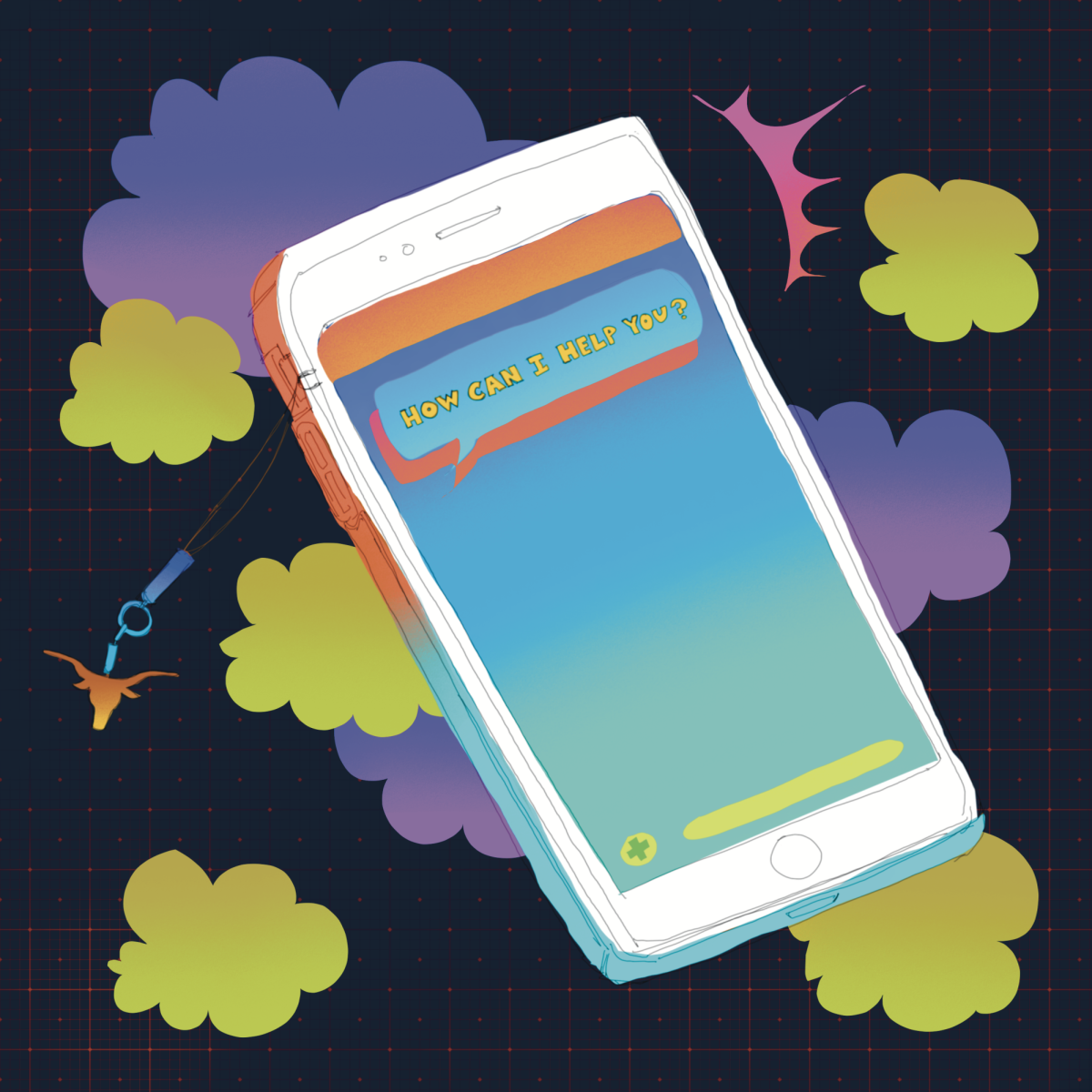
University community members can now submit reports to the Behavior Concerns Advice Line through text, beginning this academic year.
The Behavior Concerns Advice Line was established in 2007 as a way for students, faculty and staff to submit reports about any concerning behavior they see in other community members. This behavior can include reports of hazing, criminal activity or anything that makes someone uncomfortable, said Kelly Soucy, an associate dean of students who oversees student support services.
“(The advice line) was really just an opportunity to have third parties call in to get advice or resources when they were concerned about someone,” Soucy said.
The advice line began as a phone number community members could call to make reports, and about 10 years ago, the website implemented an online form. Both options allow reporters to remain anonymous if they wish, and they are connected with trained staff to best handle the situation. Staff responds to the reports from 8 a.m. to 9 p.m., and anyone who texts outside of those hours will receive an auto-message to call 911 if it’s an emergency and staff will follow up in the next business hour, Soucy said. Staff answer the phone line 24/7.
Soucy said the University added the text option after popular demand from students as a convenient method to submit concerns, and after other universities reported increases in submissions after implementing this alternative for their student services. The text option also allows students to submit follow-ups using a “case number” if they want to submit additional information about a report while staying anonymous.
“It’s okay to say something and not affiliate yourself, than to keep it (to yourself),” Soucy said. “The text option (allows) for someone to take a picture of whatever the concern was, (which) doesn’t even have to include details, but (they) want someone to know about this.”
Joell McNew, president of SafeHorns, a public safety advocacy group, said she welcomes the new text option, as she has heard students ask her about texting options on many other safety services. She said she hopes the new report submission options lead to an increase in students feeling comfortable making reports.
“We want students to know, or faculty, staff and everyone in the Longhorn community, that this is anonymous, and it is proactive,” McNew said. “It’s a great way that we are empowered now to offer help and resources to someone.”
Last academic year, the advice line had over 1,000 different reporters, with over 800 reports relating to student concerns, Soucy said. 43% of reports were mental health concerns, although Soucy said reports can vary from behavioral to interpersonal concerns.
Since the new text option launched at the end of September, and only a few reports have been made through the text avenue, Soucy said the University aims to promote it in student organizations and Greek life. Soucy said the Office of Dean of Students welcomes any feedback and suggestions through its email.
“We want more student feedback,” Soucy said. “Any ability to (know) whether it’s a really positive experience, or (if they think), ‘I’m not sure if I should have gone through (the advice line).’ (Students should) come talk to us. We want to make sure that it’s a student-facing program.”
Editor’s Note: This article has since been updated to clarify Behavior Concerns Advice Line’s policy.