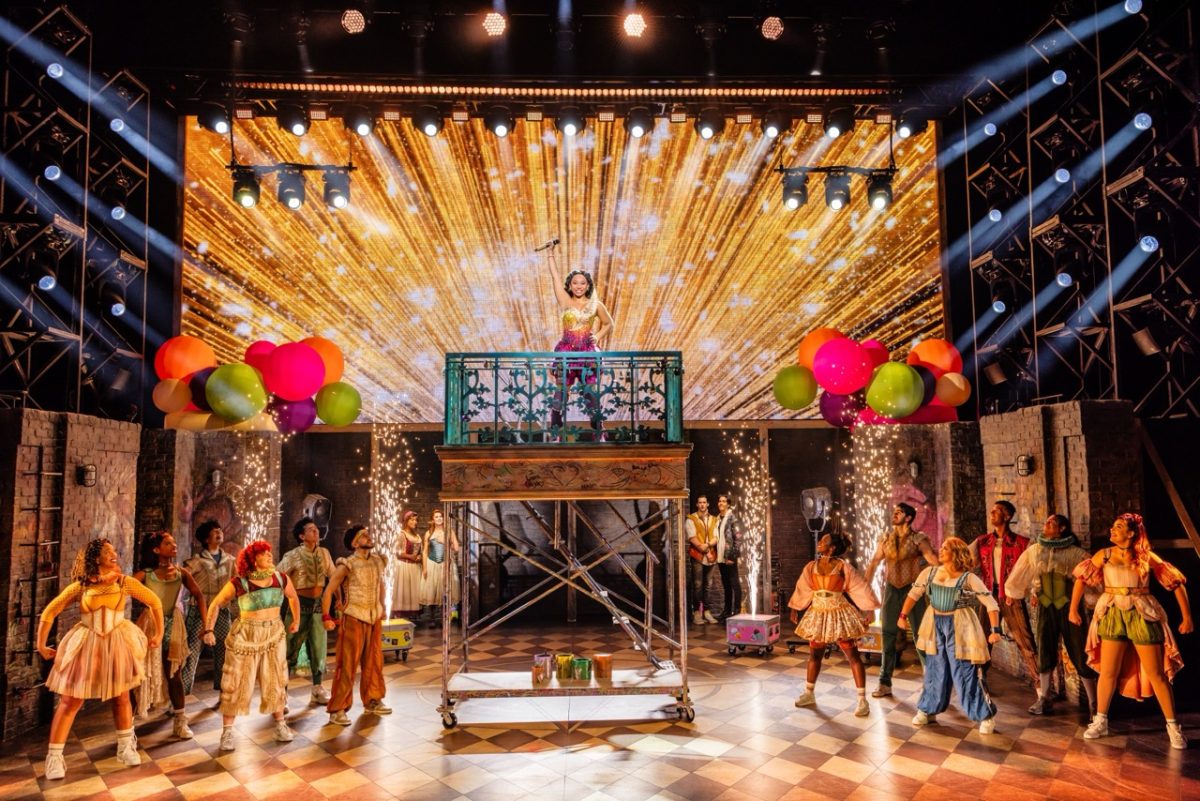
Every October, “The Rocky Horror Picture Show” turns a devoted group of UT students into a blur of fishnets, glitter and drag. After UT banned on-campus drag performances in March, this year’s screening moved off campus and was charged with new challenges.
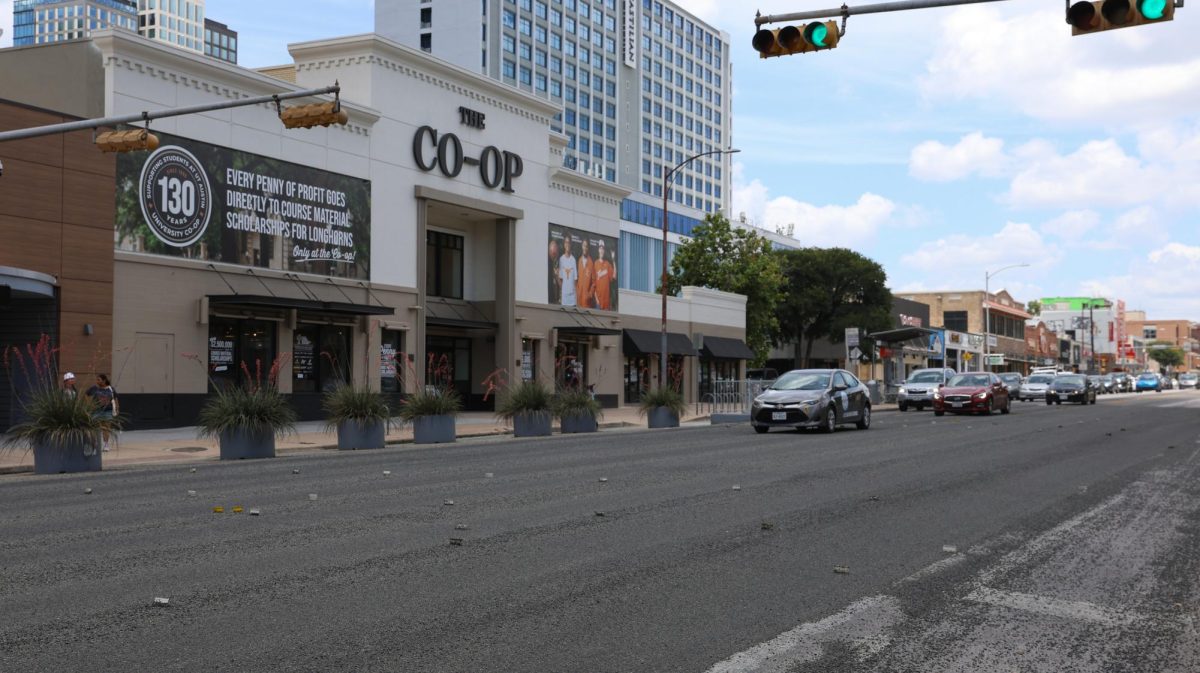
Rocky Horror moved to the Pearl Street Co-op in West Campus for two shows on Halloween weekend, kept alive by the same community the ban targeted.
In May, design senior Maggie Cook learned that Campus Events + Entertainment would not greenlight its annual performance of “The Rocky Horror Picture Show,” a tradition spanning more than a decade. Cook felt crushed, as she said she was set to direct the show in the fall.
“They didn’t pass the approval for the show,” Cook said. “I was devastated.”
While the ban did not specifically target the show, the UT System gave its institutions guidance to use the ban to approve or deny on-campus events. Campus E + E wrote in a statement the show would not be on their events roster and did not comment further as to why.
This year marks the 50th anniversary of “The Rocky Horror Picture Show,” a cult classic movie that has become a cornerstone of queer cinema and community. Fans have transformed the camp sci-fi musical into an interactive live experience that blurs the line between audience and performance.
“It has a lot of legacy in queer communities across the nation,” said English junior Molly Hennessy, who plays Brad, a main character in the show. “(Rocky) means community that transcends time.”
The Broccoli Project, a theatre arts student organization, helped Cook host and produce the show.
“Other theater organizations have refrained from doing Rocky just because of the giant presence the other one had,” Cook said.
Putting together the show was no small feat. Cook and C.D. McAdams, a Plan II senior and producer for The Broccoli Project, struggled to fund the show as they started from ground zero. Cook said only two people went to the first day of auditions.
The Broccoli Project raised over $1,800 through a GoFundMe, and local theater groups loaned costumes and props.
For McAdams, the show’s impact goes beyond its funding. This year’s performance became a statement of resilience and an opportunity for students to claim a space to openly celebrate queer identity and community.
“Lots of gay people get to see it, show up in (costumes), we get to yell,” McAdams said. “It is a perfect encapsulation of ‘We’re not going to stop.’”
Even after rain hit the second showing, the cast performed for a lively crowd. While the future for queer performance at UT may look different now, Rocky shows it won’t be eliminated, McAdams said.
“(Hosting Rocky here) does show we’re a little afraid,” McAdams said. “They did succeed a little bit.”
As a senior, Cook is working on a book about the production, in part to keep the show alive and the tradition from dying.
“What they want is for us to be silenced,” Cook said. “It’s not my job to keep us quiet.”