Weight loss drugs, popularized by brands such as Ozempic and Wegovy, have gained popularity and flooded American advertisements. When these commercials play, I can’t help but wonder what they are really communicating to the audience. My mind jumps to my sister — without regulation, any young kids could be watching, listening and digesting the same harmful messaging to prioritize thinness. These companies must consider who these ads will be visible to.
GLP-1 injections are medications that mimic the natural hormone that controls blood sugar and creates the feeling of fullness, which in turn promotes weight loss. Some of these drugs were designed to fight obesity, an undeniable problem in America. Roughly 40.3% of American adults are considered obese. Obesity strains health budgets, with an annual cost of $173 billion to the American healthcare system. GLP-1 drugs can offer an effective way to tackle obesity, relieving economic stress and saving lives. However, they can also be harmful when pushed on physically healthy individuals struggling with body image issues.
Whether plastered on the highway or repeated tediously on the TV, there’s no hiding from these messages.
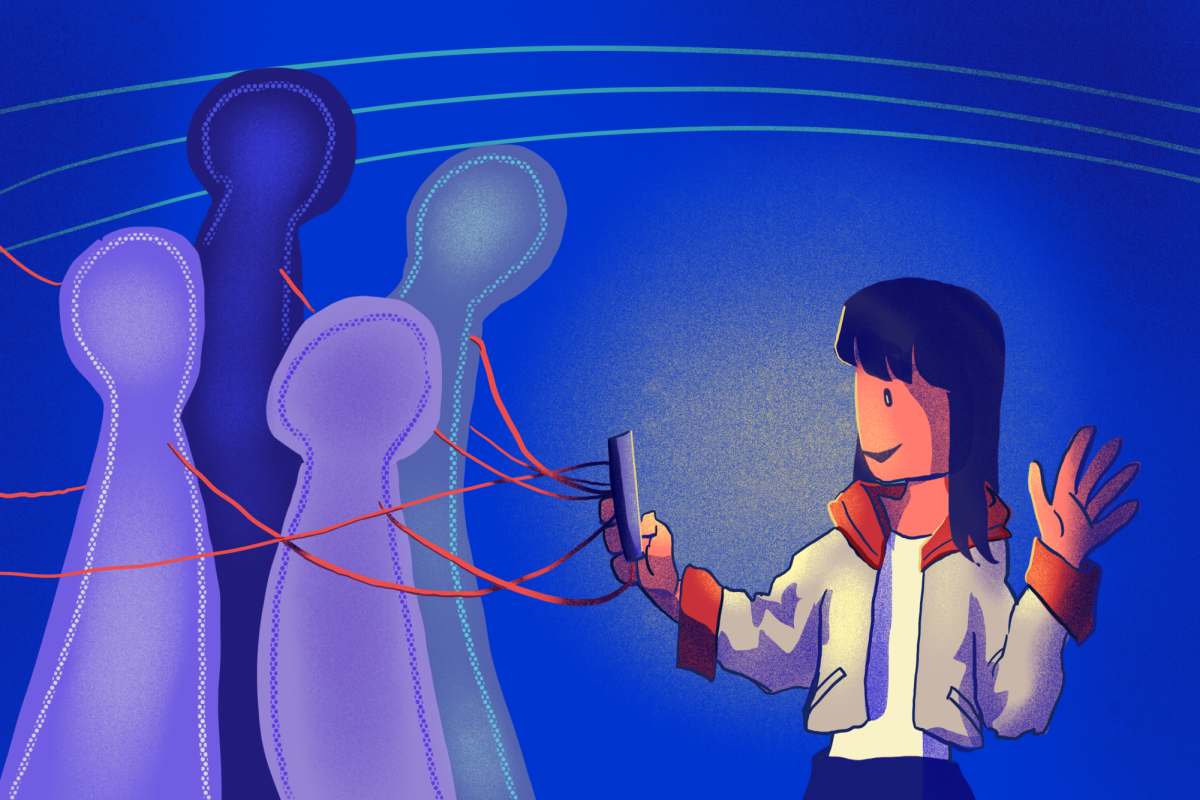
“There are so many advertisements for these drugs to the point where they really are ubiquitous,” said Mallary Tenore Tarpley, assistant journalism professor and author of “SLIP: Life in the Middle of Eating Disorder Recovery.” “They can contribute to a lot of noise in terms of just people hearing this messaging over and over again. When we’re subjected to messaging in an ongoing way, it’s really hard not to internalize it and think, ‘I must need to be on these drugs, or I should listen to the underlying message of (needing) weight loss.’”
Younger audiences are highly susceptible to social media marketing. These drugs may help the 19.7% of U.S. adolescents who are obese, but they may also send a negative message to the 22% of children and adolescents who have experienced disordered eating, according to the National Eating Disorders Awareness Organization. Wegovy prescriptions have seen a 50% spike amongst teenagers, which was only approved for such use in late 2022. This is worrying alongside a 25% to 33% increase in patients on GLP-1 medications at a national eating disorder treatment provider.
Body image and weight stress are hardly new concepts to students, but they may be more exposed to damaging misbeliefs, such as the “Freshman 15″, which can be cause for concern among college students.
“Going into college, the only thing that you hear is, ‘Don’t gain freshman 15, be careful.’ … It was so ingrained in my head,” said Bruno Tobais, international relations and global studies junior. “It’s definitely something that everyone who goes into college knows about.”
Celebrity endorsements only elevate the drugs’ status. Serena Williams becoming the celebrity brand ambassador of the GLP-1 injector supplier company Ro felt like a quiet surrender to the inevitable cosmetic spread of weight loss drugs. Her transparency is respectable, but for her and her husband, a member of the board, to profit off of her endorsement feels all too like the diet culture that preys on people’s self-esteem, especially adolescents and young adults.
Nearly 12% of Americans have already used GLP-1 drugs. While there’s a lack of evidence to suggest how many people are misusing GLP-1 drugs for cosmetic purposes rather than medical, our diet-culture manic world won’t exhaust this lifestyle trend.
There’s a market for GLP-1 drug use; there’s a large cohort of people who will benefit from these drugs. But companies also need to think about the young adults who will be harmed by this influx of ads to our weight-loss-frenzied world.
Slimmon is a history junior from London, England.