The University launched new labs as part of its “Discovery to Impact” program, which is dedicated to converting life science research into medicines, medical devices, software and treatments. The labs will provide UT researchers and companies with the space to develop their technologies.
“UT Innovation Labs serves as a launchpad for companies that are merging the power of computation and AI with the intricacies of life sciences to bring to market products and treatments that will transform health care and benefit society,” wrote Mark Arnold, associate vice president for UT Discovery to Impact, in an email.
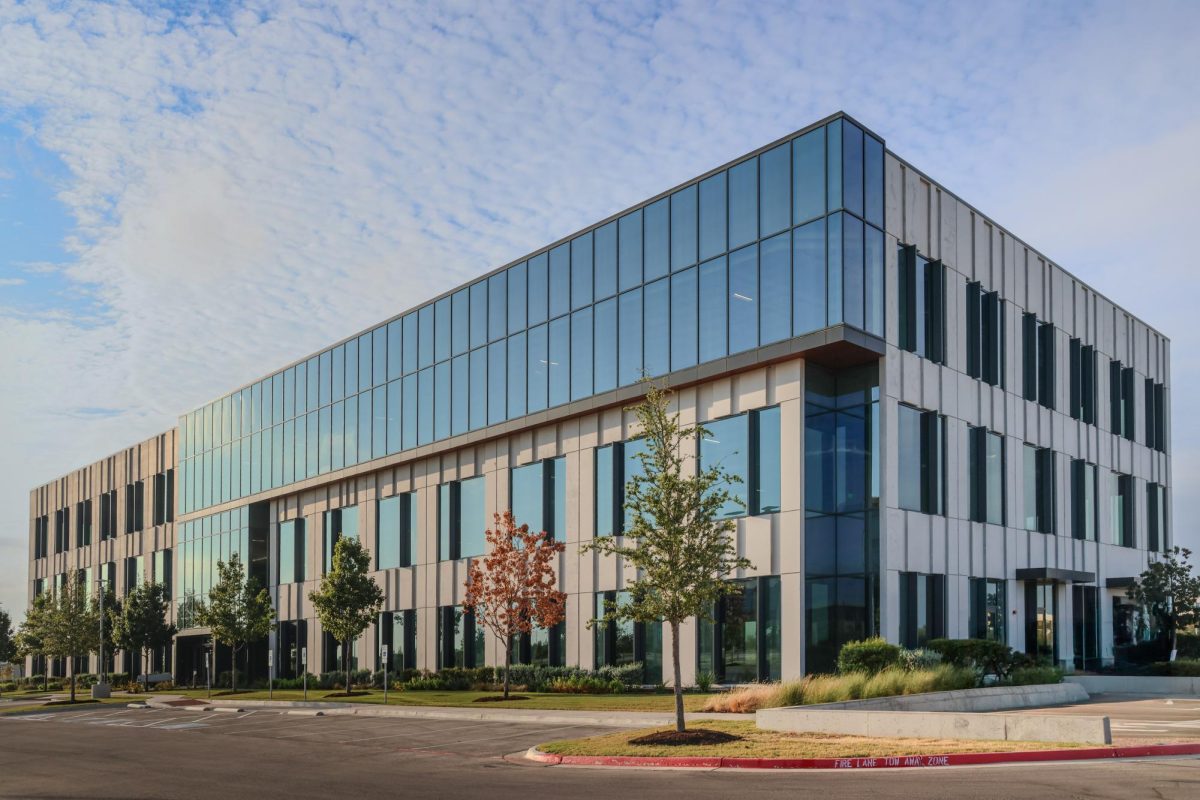
The innovation labs, which are located in North Austin, feature 10,000 square feet of institutional-grade facilities, with a wet lab space providing tools and equipment designed to benefit researchers and companies looking to establish themselves in Texas’s life science sector.
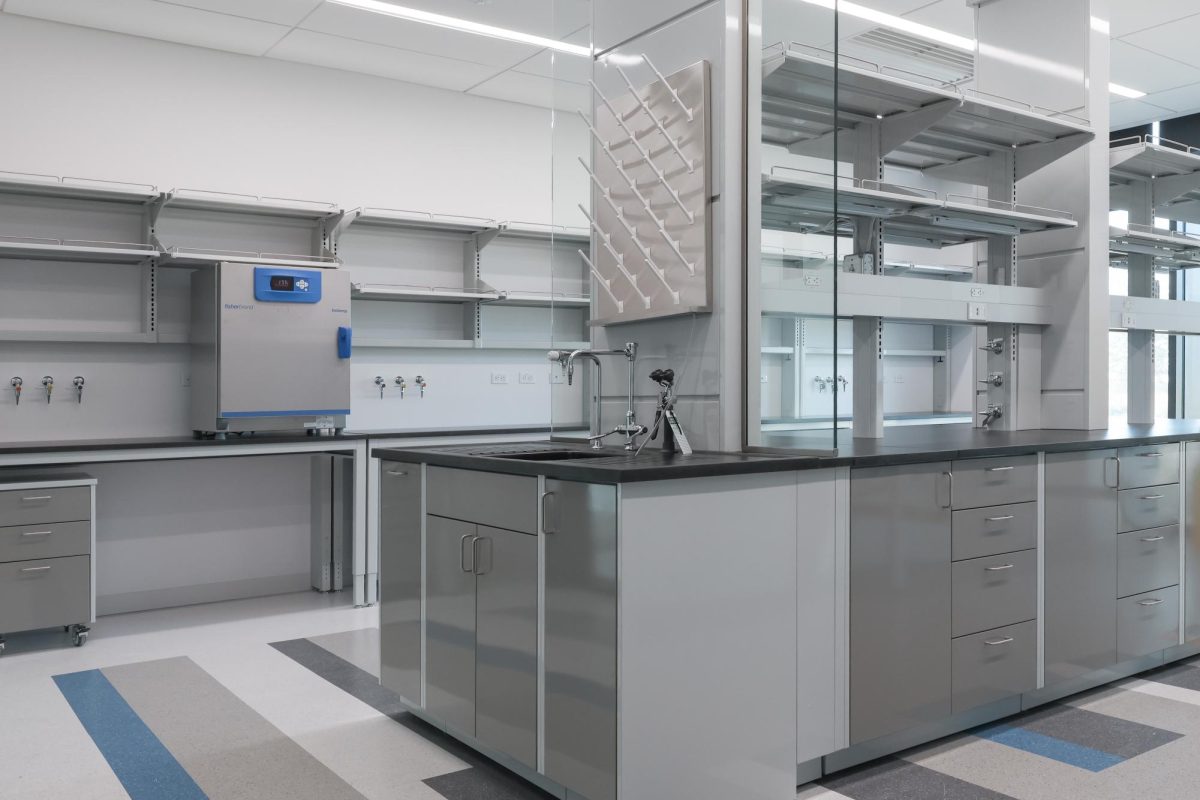
Max Berry, co-founder and chief technology officer of Nucleostream, a company dedicated to advancements in reading and synthesizing DNA, said he utilizes the lab to develop cheaper and alternative variations of gene splicing that could create antibodies, genome therapy and medicine.
“A lot of this stuff would be cost-prohibitive to have ourselves,” Berry said. “We only need to use these things for 20 to 30 minutes a day, so that would make sense to share them between us and other members of the lab.”
Michael Yost, director of Life Science Technology Development for UT, wrote that he is dedicated to advancing scientific discoveries into “real-world solutions.” Yost said the labs could bridge the gap between the biotech industry and academic research.
“What this is allowing us to do is (for) us to understand how UT can interface with the community better and how the community can work with UT better,” Yost said. “We’re going to build and scale this thing to where, maybe in the next 10 years, instead of 10,000 square feet, we’ll have 100,000 square feet of lab space where people can do this, and we can integrate better with MD Anderson, who’s helping build the new hospital in (Austin).”
Discovery to Impact’s initiative to provide research will ultimately translate into intellectual property, patent work and technologies utilized in healthcare, according to the program’s website.
“As research is done at UT, a lot of that can be turned into discoveries,” Yost said. “Which then could become … medicine. It could become a medical device, it could be a software system that can help treat patients, or help guide patients.”