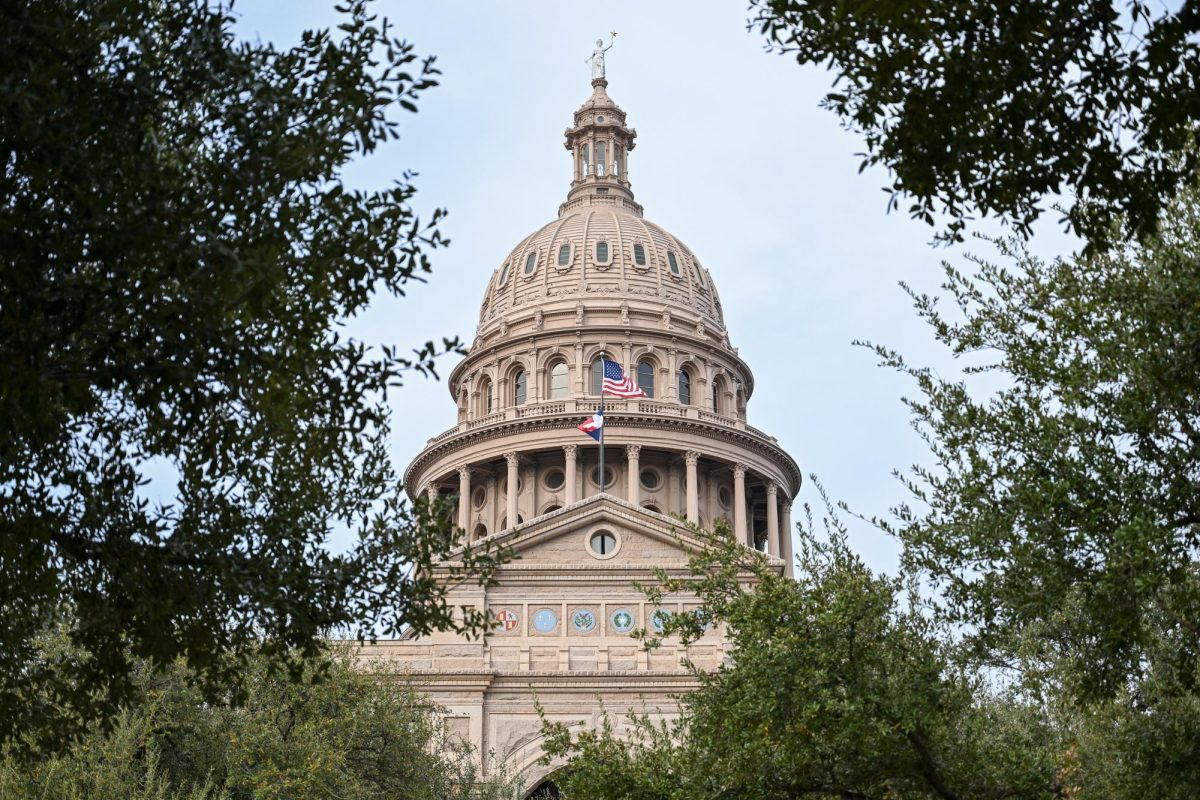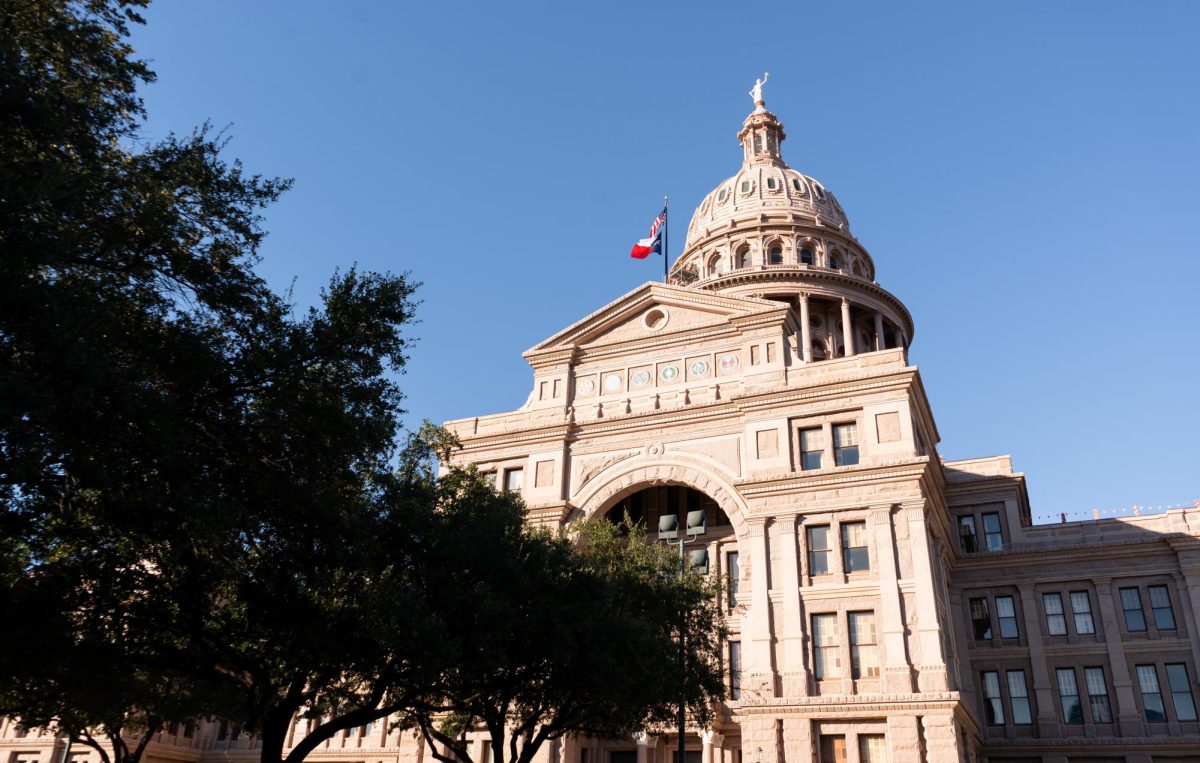
Gov. Greg Abbott announced that all public universities must cease their use of H-1B visas to sponsor workers, according to a letter sent to state agencies on Tuesday. This order, if granted Congressional approval, would be in place until the next legislative session ends on May 31, 2027.
H-1B visas are issued to non-immigrant workers from outside the United States to work in specialty occupations, or jobs that require at least a bachelor’s degree, according to the U.S. Department of Labor. Abbott also directed public universities to submit a detailed report of all their employees on H-1B visas, including country of origin and documentation of efforts to provide “qualified Texas candidates” with an opportunity for the position, to the Texas Workforce Commission by March 27, 2026.
“State government must lead by example and ensure that employment opportunities — particularly those funded with taxpayer dollars — are filled by Texans first,” Abbott wrote in the letter.
In the letter, Abbott cited the Trump administration’s September 2025 directive to restrict the use of the visas and impose a $100,000 fee for employers, suggesting that international laborers are taking advantage of the system.
According to U.S. Customs and Immigration Services, there is a cap of 65,000 new H-1B visas issued per year, with another 20,000 set aside for those with master’s degrees or higher from U.S. institutions. USCIS uses a lottery system to determine which visa registration applications can move forward.
However, universities are exempt from this cap and lottery system, meaning there is an “unlimited” number of visas available for foreign nationals looking to work at U.S. universities, immigration attorney Jason Finkelman said. H-1B visas are commonly used in research and teaching positions at the University, including long-term and tenure positions.
“The H-1B visa program is actually one of the most regulated visas in our entire immigration system, and it was designed to be highly regulated to protect American jobs,” Finkelman said. “It is a very safe, very regulated program.”
According to USCIS, UT Austin sponsored 169 H-1B visas in 2025, with other institutions like MD Anderson Cancer Center reporting similar numbers. Texas Global, which facilitates immigration services like visas at UT Austin, did not respond to a request for comment.
Finkleman said that despite Abbott’s directive, H-1B visas are under federal rule and therefore can only be changed with a congressional ruling.
“It doesn’t make a lot of sense, because it is a visa category that is really designed to protect American jobs, stimulate the U.S. economy and bring talented, smart, intelligent people to this country,” Finkelman said.
Ruby Powers, an immigration attorney, said setting this standard will likely leave significant job vacancies as employers would not be able to hire qualified foreign nationals.
“With a lot of other uncertainty that’s going on in the country and the labor pool, I can see that vacancies might be there for a long time, putting … a lot of initiatives in danger,” Powers said. “I think this is going to set a dangerous precedent.”