Most Longhorns fans are accustomed to following their favorite athletes from the college landscape to the professional sphere with ease.
From Earl Campbell and Ricky Williams, to Huston Street and Kevin Durant, the path was relatively clear: play in Austin, hear your name called on draft day and build a professional career. But for smaller, individual sports — especially golf — that pathway is far less defined, leaving players without a clear route fans could easily follow.
But for golf, all of that changed with the introduction of PGA TOUR University.
Launched in 2020, the program offers elite college golfers a direct pathway from NCAA competitions to professional tour membership, bridging the gap between amateur and professional golf.
“The purpose of PGA TOUR University is really to give the top college players a pathway to the PGA TOUR,” said Chris Richards, director of Communications for the PGA TOUR. “We, the PGA TOUR, want to have the best players on all of our tours, and we recognize that college golf at the highest level has a ton of extremely talented players.”
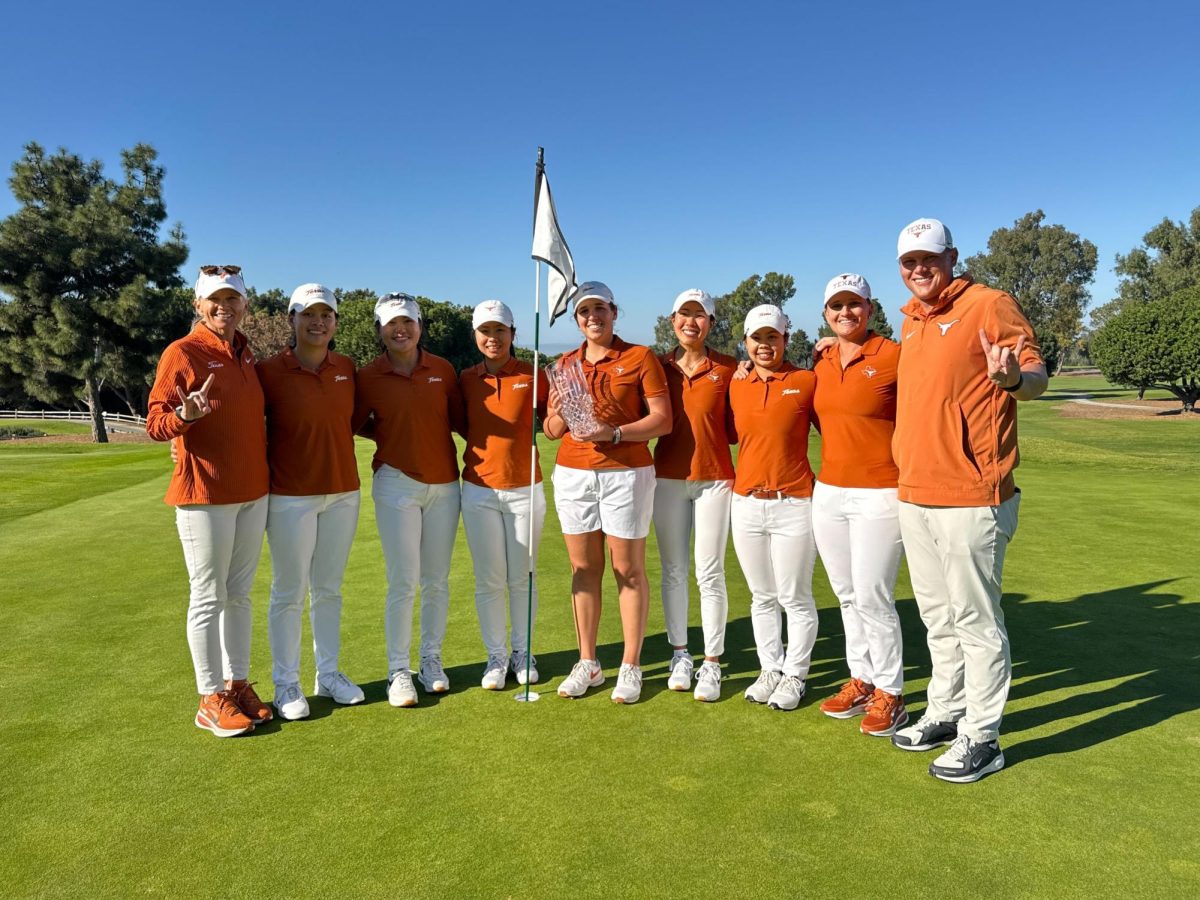
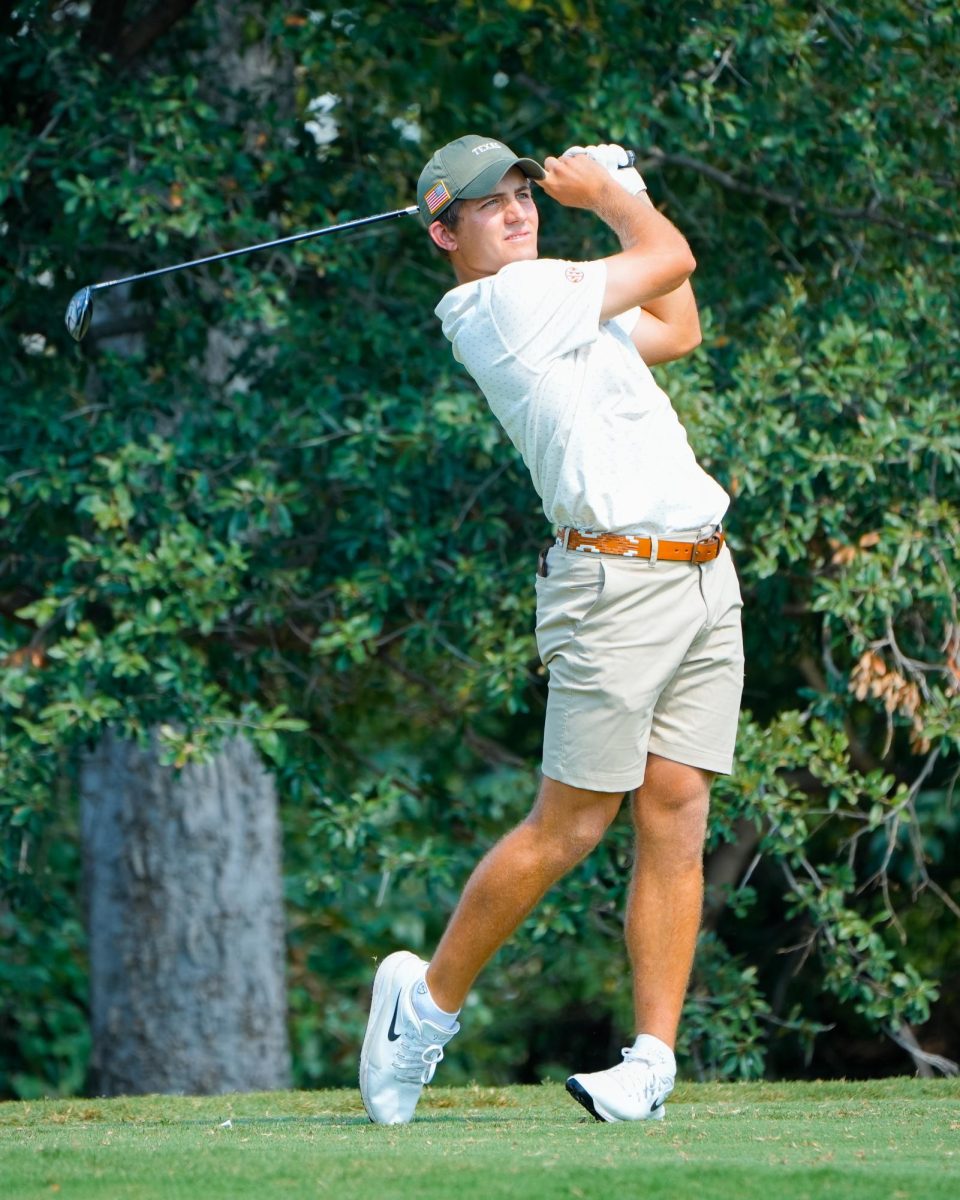
Texas has emerged as one of the program’s strongest beneficiaries, currently boasting three players inside the top seven of the PGA TOUR University rankings: Christiaan Maas at No. 2, Tommy Morrison at No. 4 and Luke Potter at No. 7.
Before PGA TOUR University, elite college golfers at Texas finished their NCAA careers in June only to face months of limbo before qualifying school opened in the fall. Some turned professional early, while others pieced together sponsor exemptions and mini-tour starts, hoping momentum would carry them forward.
Now, Texas fans have a more structured protocol to follow as these players near the end of their collegiate careers.
To be eligible to apply for the program, players must have exhausted four years of NCAA Division-I eligibility and be ranked in the World Amateur Golf Ranking (WAGR). The WAGR profile must include at least five eligible tournaments during the ranking period.
PGA TOUR University guarantees professional status to the top 25 players in its rankings immediately following the NCAA championship. The No. 1 player earns a full PGA TOUR membership, players ranked 2-10 receive a Korn Ferry Tour membership and those ranked 11-25 earn status on PGA TOUR Americas. All 25 are able to turn professional and begin competing right away.
“Just like you and me, we graduate school, and we have a job,” Richards said. “So do these players.”
The seniors-only requirement has significantly shifted decision-making for the top players across college golf.
For Texas, that structure has helped stabilize rosters and prioritize long-term player development.
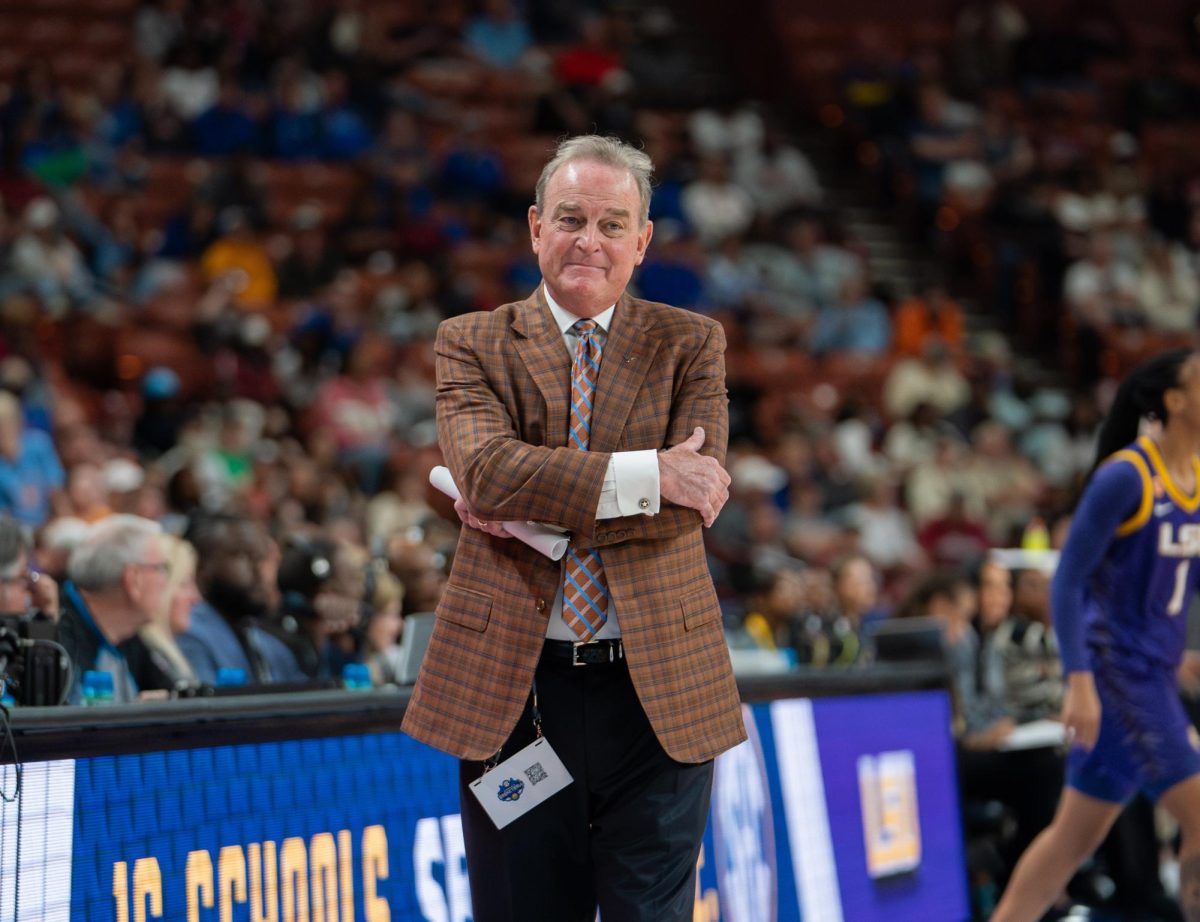
“There’s two players on our team right now that most likely would not be here if PGA TOUR University didn’t exist,” head coach John Fields said, referring to Maas and Morrison.
Without PGA TOUR University, Fields said, players like Maas and Morrison probably wouldn’t remain in college, given the plethora of opportunities available to them.
That is certainly evident in their on-course success this season. Maas has recorded a 71.47 scoring average through five stroke-play tournaments this season and has three top-six finishes, including a runner-up showing at the Ben Hogan Collegiate Invitational. Morrison has posted a team-best 70.47 scoring average across five stroke-play events and three top-eight finishes.
The opportunity to bypass mini tours and qualifying school in favor of a direct route to the PGA TOUR or the Korn Ferry Tour provides an incentive for players to stay all four years and develop at the collegiate level, a shift that has led to accelerated success once they finally do arrive to the professional ranks.
“PGA TOUR (University) has really given the PGA TOUR a reason to cover and build relationships with college golf,” said Richards. “Six years ago, the PGA TOUR had no reason to spend time telling these great stories.”