Imagine this: in the high stakes world of Name, Image and Likeness, a college student is suddenly thrusted into negotiations worth thousands.
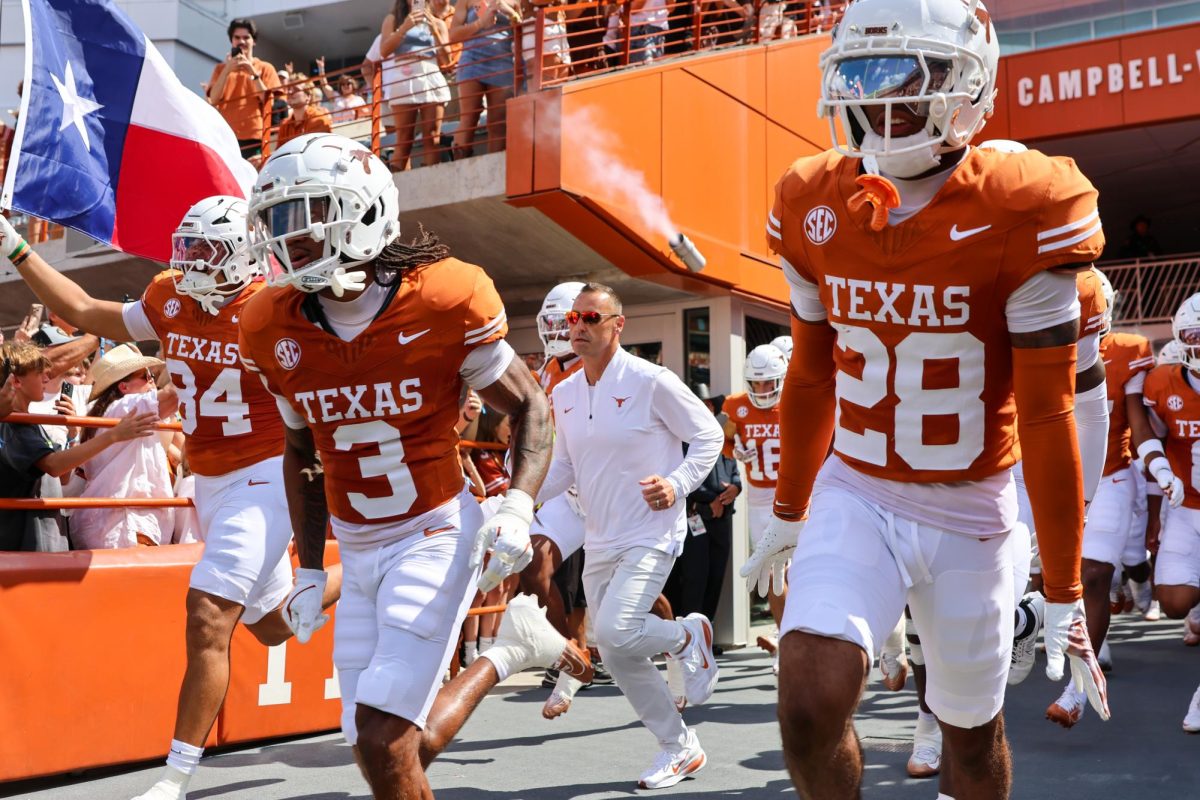
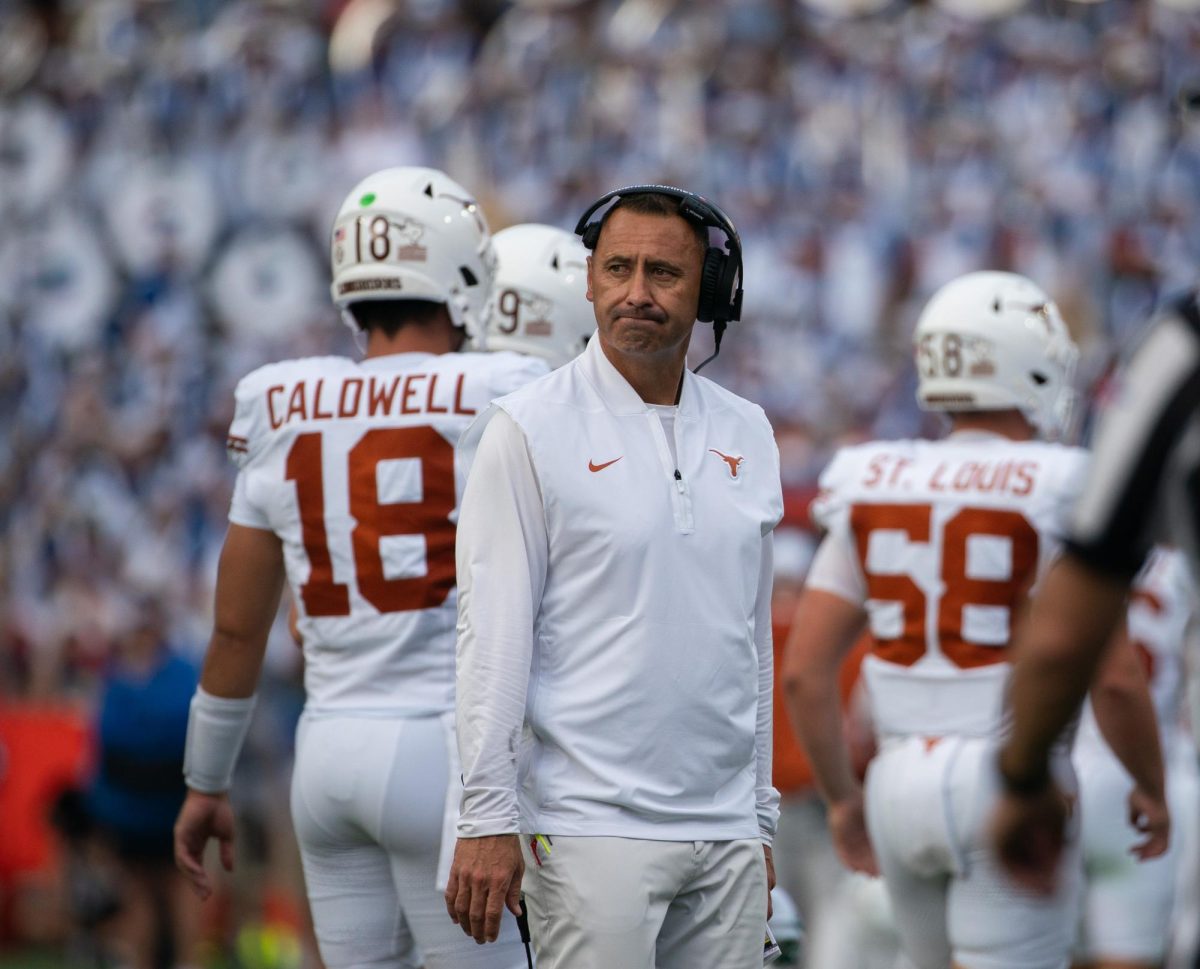
Texas football head coach Steve Sarkisian put it best: “In the NFL, you have to be certified (to represent athletes). In college football, it might be their college roommate.”
This shouldn’t be the case. Collegiate athletics is facing a massive shift in the transfer portal, with money being the center of it all, driving roster movement, recruiting battles and negotiations that now resemble professional free agency. And the regulation for it is nonexistent. In the portal, certification should be required to handle deals, but throughout the season, students don’t need it.
Amid the growing focus on contracts and revenue-sharing deals, another crucial piece of the athlete economy is being overlooked: marketing. That’s where guys like Ethan Kirschner and Gabriel Kadoori, founding members of ALK Talent Sports and Texas business seniors, have found success.
Without any kind of licensing, the duo has legally created a marketing agency for student athletes with over six figures in sales across three years.
“We’re up to 30-35 non-exclusive signed kids,” Kirschner said. “And 8-12 exclusive now.
They are “helpers, teachers and advisors,” as Kirschner put it, allowing these student-athletes to maximize their marketing value while they succeed on the field. The marketing aspect of the new NIL era has been undervalued in the face of offseason contracts, so ALK Talent Sports is capitalizing off that.
“These agencies know that they don’t have the time to search for these smaller deals,” Kirschner said.
That’s what ALK is there for.
Conversely, some of these athletes are trying to be represented by uncertified agents in contract negotiations, which coaches like Sarkisian are not trying to deal with. In talking with a licensed agent, he argued “there should be some guidelines or restrictions when it comes to who should be able to represent who.”
The solution is simple. Big agencies should partner with smaller companies, like ALK Talent Sports, in order to increase brand exposure. These bigger agencies can also use the smaller fish as a recruiting platform to bring in a steady stream of clients. Per Athletic Business, the NIL cap in marketing and collectives alone was expected to hit $1.67 billion for the 2024-25 campaign and is expected to grow to $2.5 billion for 2025-26.
Additionally, the NCAA should implement a new collegiate certification that models an NFL Players Association Certified Contract Advisor certificate for the regulation of offseason contracts, but make the marketing side free of all regulation entirely. There are simply too many collegiate athletes to manage both sides — the last college football portal window featured over 10,500 players across all divisions.
Make certification more regulated in the offseason, but let the money opportunity flow throughout the year. If anything, agencies like ALK deserve more recognition for finding their way into this sphere. With them, players like former Texas corner Malik Muhammad, who is signed by ALK, are able to maximize their profits while still focusing on becoming their best possible version of themselves on the field.
And, as far as Sarkisian goes, he’s absolutely right. There’s no room for poor representation in college football, let alone college athletics at all. In a new world where athletes have more leverage than ever before, it’s time for the NCAA to do something to help coaches and programs maintain their roster fluidity.