February is filled with celebrations of love: handoffs of red roses, chocolate boxes and proclamations of “Happy Valentine’s Day.” However, paper hearts handed out in kindergarten classrooms are vastly different from the ones inside their chests. February, American Heart Month, is a time to raise awareness about cardiovascular disease and heart disease prevention.
Aiming to provide routine health checks to the unhoused population of Austin, Hearts for the Homeless gave The Daily Texan recommendations for how students can keep their hearts healthy.
Blood pressure checks
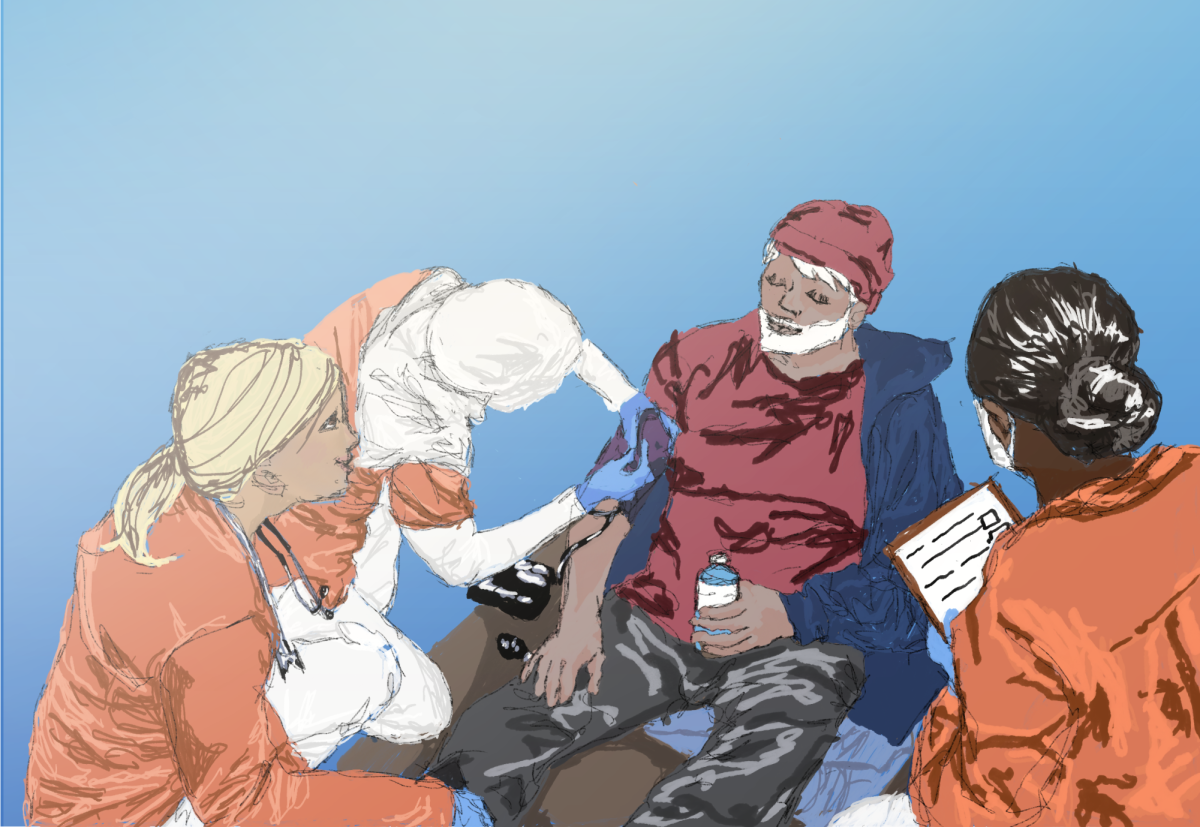
Directly correlated with cardiovascular health, someone with high blood pressure can experience damaged or narrowing arteries, making them more prone to strokes and heart attacks. Because of the significant influence that blood pressure has on the rest of cardiovascular health, it’s important to learn how to take blood pressure and interpret results. Hearts for the Homeless ensures their students know how to conduct blood pressure checks, using an electronic blood pressure machine, and interpret results.
Glucose checks
Oftentimes, high blood sugar has a direct impact on poor heart health. High blood sugar can affect the heart by damaging blood vessels and nerves, making the heart work overtime to pump blood. Because of this, and many requests from the population they serve, Hearts for the Homeless recently began implementing glucose checks and training volunteers to perform finger pokes.
Routine check-ups
Whether as a patient or helping the community, it’s important to encourage annual visits to the doctor, even more so for those managing chronic conditions. Consistently checking in on the health of Austin’s unhoused population can support them to take the necessary steps to preventative care and find harmful conditions before they become life-threatening. Hearts for the Homeless plays a small role, having their students volunteer in the same locations every week at relatively the same time and ensuring they’re checking up on the same people regularly.
Seeking medical help
Ultimately, Austin has an abundance of free and low-cost medical care options through places like the Hope Clinic, People’s Community Clinic, CommUnity Care and many other locations. By informing people of locations like these, the organization ensures those who need immediate medical assistance have the means and resources to access it. Vulnerable populations receive direct and targeted medical care, allowing them to manage long-term conditions and lead a healthy life.