Between lectures, college gamers log into matches, headphones on and keyboards clicking as they prepare to face opponents. This spring, Riot Games hosted its 2026 College League of Legends and VALORANT seasons as part of the official intercollegiate circuit operated by UNIVERSITY Esports NA.
With over 4,000 students from 300 schools across North America, UT’s Premier team is currently tied for third in the Southern Conference.
“This is the tournament to be in if you’re a college team,” said Andrew Lee, computer science junior and team manager. “A lot of teams … offer scholarships to students for playing in these games. So we’re playing against top of the line players (and) people, (the top) 0.001%.”
Competition peaked last week when the team faced the University of Houston, a program Lee said historically outmatches UT.
“University of Houston is someone that we typically look out for,” Lee said. “Their roster tends to be better than ours. … We went into last week’s match very excited … and we beat them pretty handily in a 2-0.”
Momentum in the season shifted quickly after a recent loss to the University of Florida by the Academy squad.
“The match we have coming up is a team that our other Academy team played against, and they didn’t perform as well as they wanted to,” said Nitish Arumugakannan, chemical engineering sophomore and player for the Academy Oranges team. “It’s almost a revenge series for us, so we can take them down to avenge our other team.”
To prepare for tough matches, players devote hours each week to studying opponents and sharpening their skills. These combined efforts quickly add up.
“When I was a starting player … I would queue 10 games a day,” said Ayaan Siddiqi, economics senior and sub-player for the Texas League Premier team. “On top of that, I would do team practices and team meetings, because being in a competitive environment where other people also want to improve, I think helps motivate each other.”
The team’s commitment off screen shapes how they respond when results do not go their way, as shown after a recent match in which they fell short of expectations.
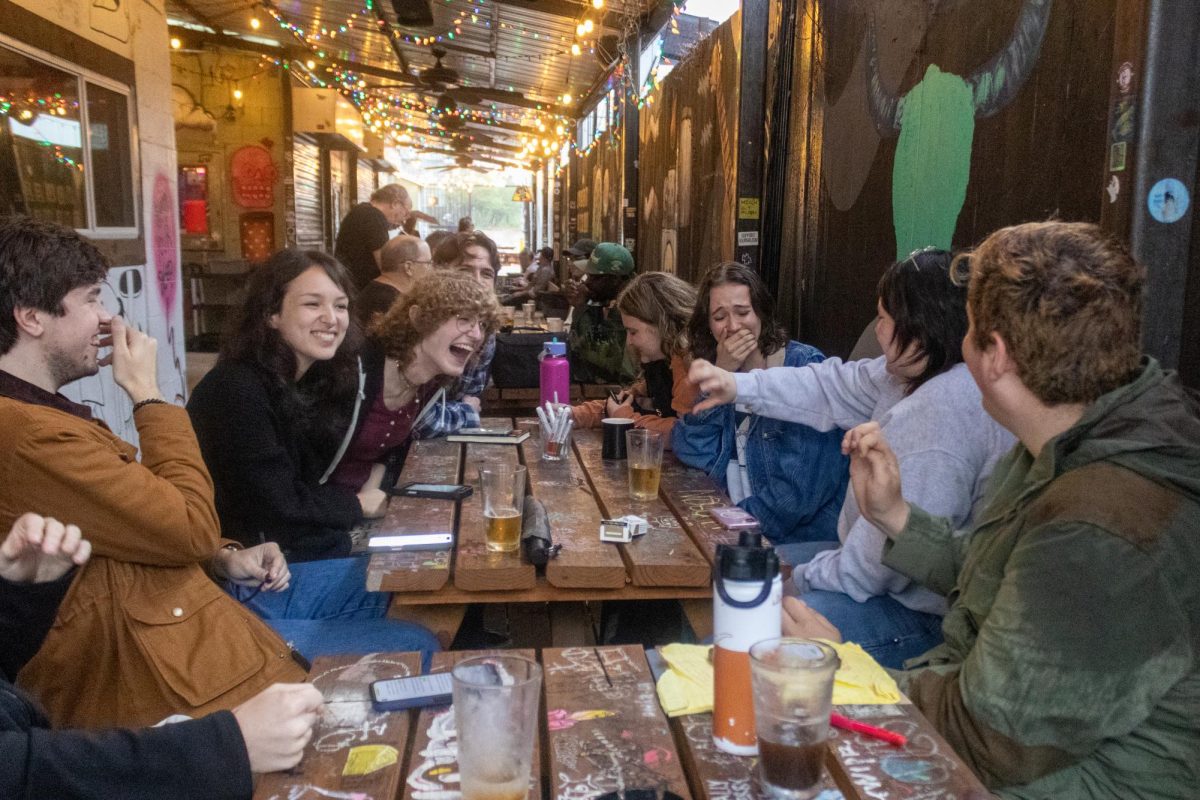
“We set that aside and decided to go get some (food) after our games and hang out with each other,” Arumugakannan said. “That’s the thing I’ve valued the most throughout my time playing as a competitor, being able to be with my friends and hanging out with them (and) fostering the friendships that I’ve made.”
While the bracket system ultimately leads to a championship title, the team defines success in broader terms.
“Most people would say success is winning the whole collegiate League of Legends Championship,” Siddiqi said. “But I’m more so (on) the team (to) play for myself. We have to bring passion for the competition from somewhere within.”
With one match remaining against North Carolina State University before the playoffs next week, the team focuses on finishing strong and carrying their efforts forward.
“We have a very good roster this year, so we’re hoping to make a deeper run in the main playoffs,” Lee said. “Ultimately, we want to see how far we can get.”