“Let them eat cake.” A phrase tied to Marie Antoinette that’s cemented her as one of history’s ultimate symbols of careless luxury. However, the real Marie, a teenage archduchess shipped from Austria to France, was married off for political gain and trapped under constant scrutiny at Versailles.
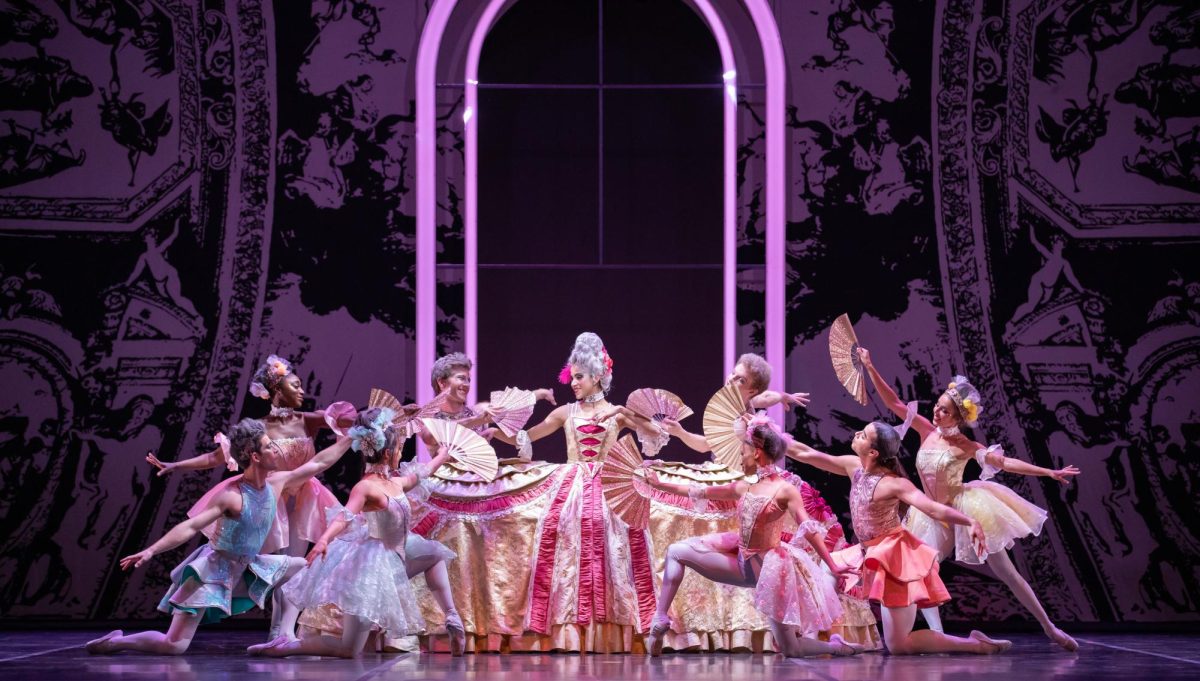
In “Marie Antoinette: Vampire Queen of Versailles,’ an original world premiere by choreography director Stephen Mills, her narrative’s reimagined.
“The court of Louis XVI and Marie Antoinette was filled with extravagant spending at the expense of (poor people),” Mills wrote in an email. “I cannot think of a more relevant story for the time through which we are living. Additionally, historically, Marie has been used as the scapegoat for all the excesses of the men who actually held power. I think she deserves a re-framing.”
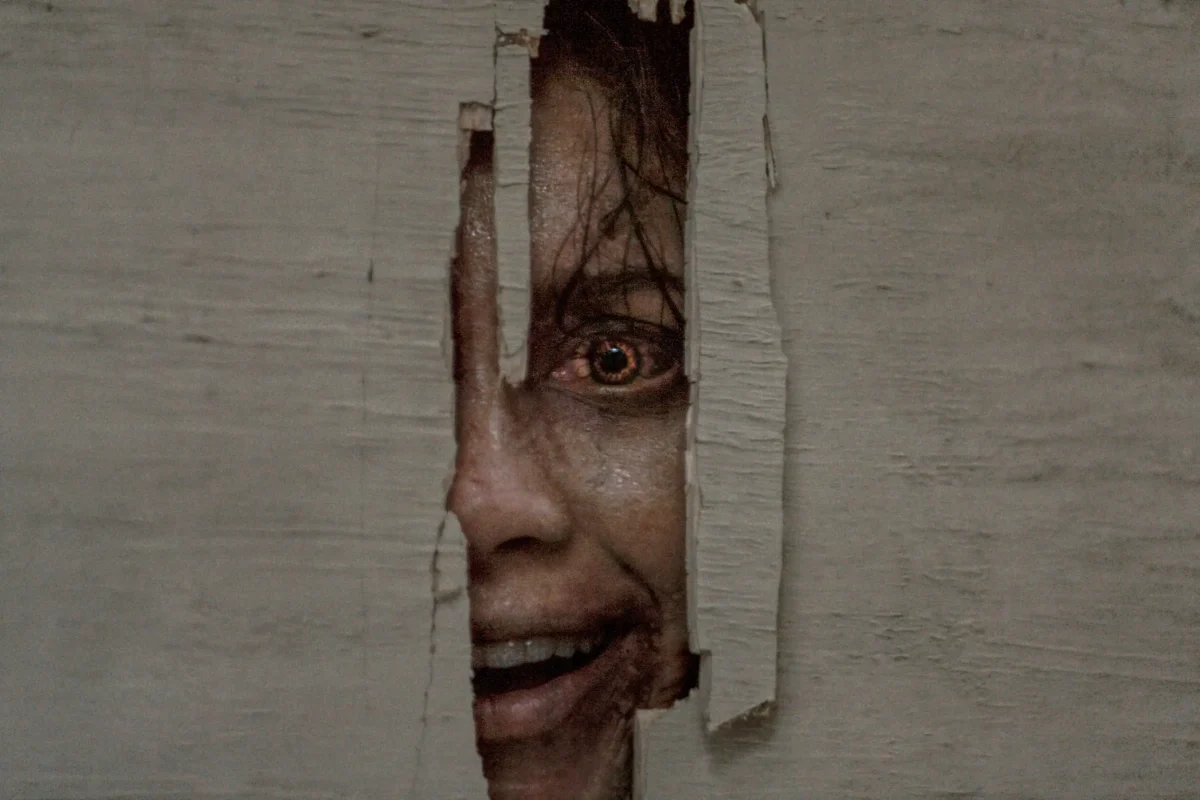
Inspired by a visit to Versailles, Mills created the character De Maret, a vampire offering Marie immortality. Her transformation becomes not just an escape from death, but a choice to take back her agency.
“Vampirism is the ultimate pathway for immortality. When one thinks of that period of history, it is Marie that is remembered. She is, for all intents and purposes, immortal,” Mills said.
This duality of classical and contemporary extends into the original score by composer Graham Reynolds, who drew from varied sources, including Prince and Marie Antoinette’s own compositions.
“We combined a Versailles-sized chamber orchestra with contemporary synths and drum machines,” Reynolds said. “The Versailles angle was pretty straightforward, but the vampire element really opened things up stylistically.”
Reynolds said he built collaboration with Mills on a strong sense of trust and a shared creative shorthand developed over their twenty years of working together. That foundation allows them to push beyond traditional boundaries, shaping a production designed to resonate with a broader range of audiences.
“If they don’t know ballet at all, I want them to leave feeling that they love ballet and are ready for more. If they love classical ballet but haven’t gotten excited about contemporary work, I hope we can sway their feelings a bit,” Mills said.
Costume designer Margaret Mitchell reimagined period fashion, transforming structured 18th-century coats into flowing skirts that challenge gender while maintaining a historical edge.
Mitchell’s design extends into the production’s symbolism, most strikingly in the opening image of Marie Antoinette encased in an enormous green gown — lavish and ornate, yet quietly revealing the confinement beneath.
“She has this giant dress in the first scene … her dress kind of looks like a cage,” said Ava Carzola, arts and entertainment technologies junior and attendee.
In the end, that cage does not hold. Where history led Marie Antoinette to the guillotine, Mills lets her reclaim destiny, trading execution for immortality and living on as a woman who finally chooses her own story.