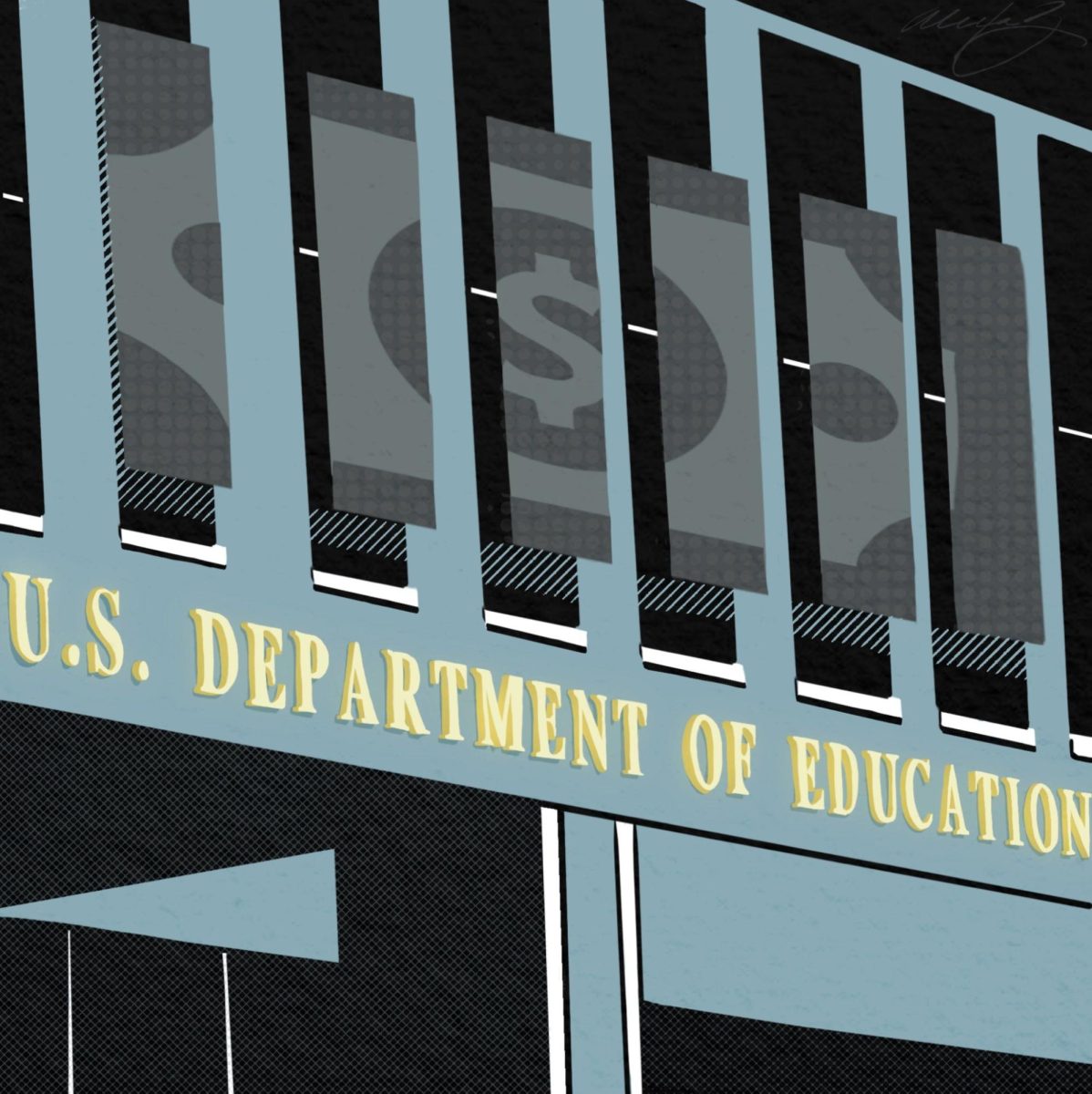
The Department of Education issued guidance to borrowers enrolled in the Saving on a Valuable Education plan that the program will end, and they need to exit it, according to a March 27 news release.
Launched during the Biden administration, the SAVE plan is an income-driven repayment plan, meaning payments are calculated based on the borrower’s earnings and family size.
On March 10, a federal court prevented the Department of Education from implementing the SAVE plan, according to the Federal Student Aid website. The Department of Education wrote in the news release that the plan was “illegal” and that it would have cost taxpayers more than $342 billion over the next 10 years. There are currently 7.5 million student loan borrowers enrolled in the plan, according to the news release.
“Today’s guidance, which every borrower enrolled in the defunct SAVE Plan will receive over the next week, puts the Biden Administration’s illegal student loan bailout agenda to rest once and for all,” Under Secretary of Education Nicholas Kent wrote in the news release. “For years, borrowers have been caught in a confusing cycle of uncertainty, but the Trump Administration’s policy is simple: if you take out a loan, you must pay it back.”
Student loan borrowers will receive notices to exit the plan beginning on July 1, according to the news release. Once they receive the notice, borrowers will have 90 days to enroll in a different repayment plan, or they will be automatically enrolled into either the Standard Repayment Plan or the Tiered Standard Plan, which both have fixed payments.
Chris Hicks, a senior policy advisor at Protect Borrowers, said the SAVE plan was meant to help borrowers from falling behind on their monthly payments or slipping into default.
“Almost all of these borrowers are going to have a higher monthly payment,” Hicks said. “Some of them might be in repayment for years longer than they would have been otherwise.”
The 90-day deadline, combined with the large number of requests to transfer plans, could impact the ability of student loan servicers to handle calls from other borrowers, Hicks said.
“Anyone who’s not in one of those plans that has an issue and picks up the phone and tries to call their student loan servicer, that servicer is going to be dealing with the … seven million people calling in for reasons that are immediately pertinent to their situations,” Hicks said.
There is going to be a limited time frame for borrowers to take action, Hicks said. Students also need to ensure they know about their student loan servicer, or the company the Department of Education assigns to handle the billing of their loan, he said.
“Getting responses from servicers is going to be harder,” Hicks said. “Student loan borrowers need to make sure they have a game plan of what they’re going to do in the coming months, in the coming weeks.”