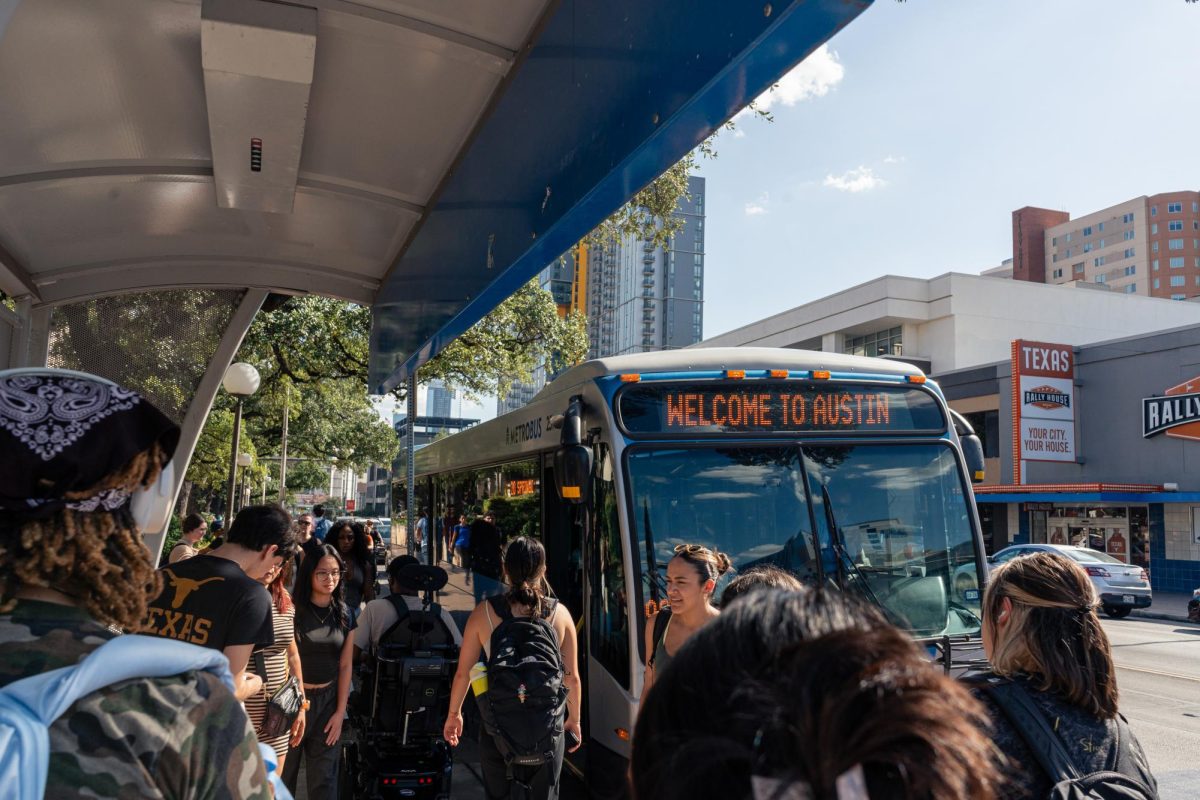
Capital Metro rental bikes have offered computer science junior Eric Li the opportunity to explore Austin, mainly as his preferred alternative to city buses.
“It’s been a big part of my transportation in the sense that I go downtown a lot on the weekends,” Li said. “It’s also good exercise in general, and it’s fun to cruise around the city.”
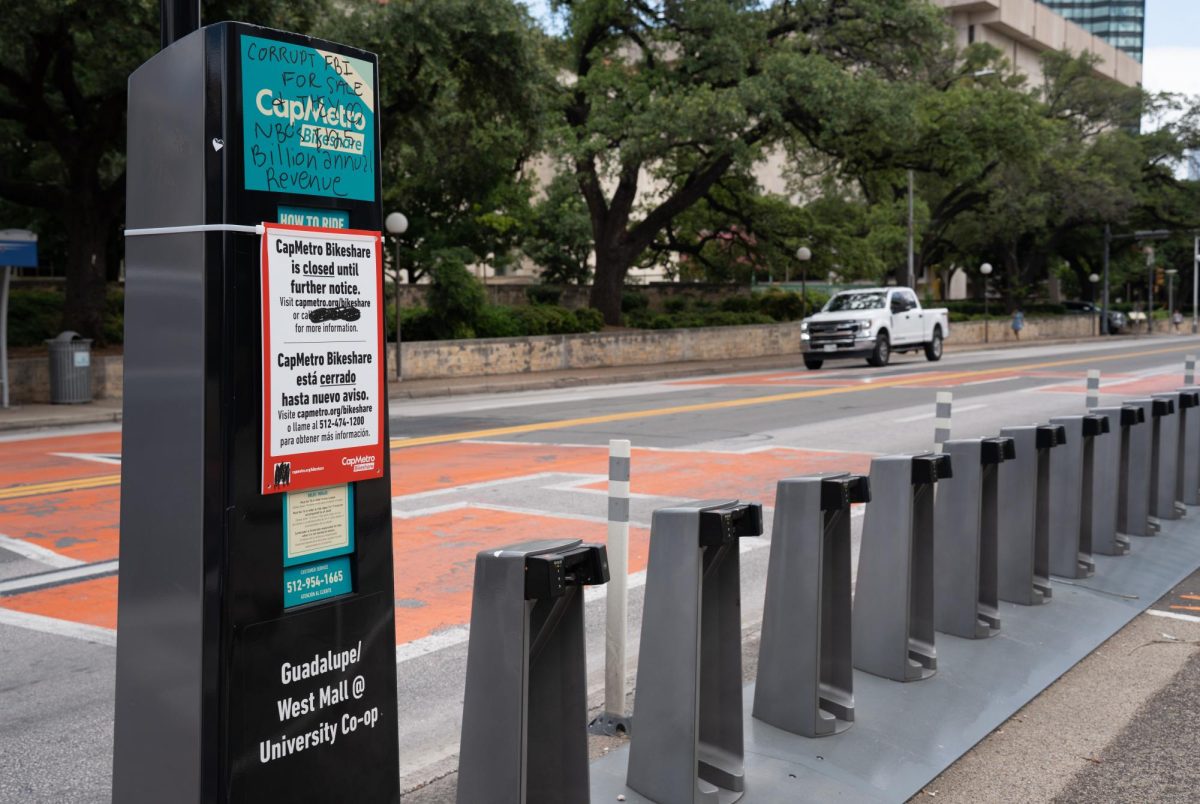
Now, the bike share service is halted until further notice, according to the CapMetro website. This stems from a May 23 fire at CapMetro’s bike maintenance facility, which caused “extensive damage to the bike batteries and charging infrastructure,” a CapMetro spokesperson wrote in an email.
Li said he has been looking for transportation alternatives as the entire system of almost 500 CapMetro bikes are gone from the 13 stations near or on UT’s campus.
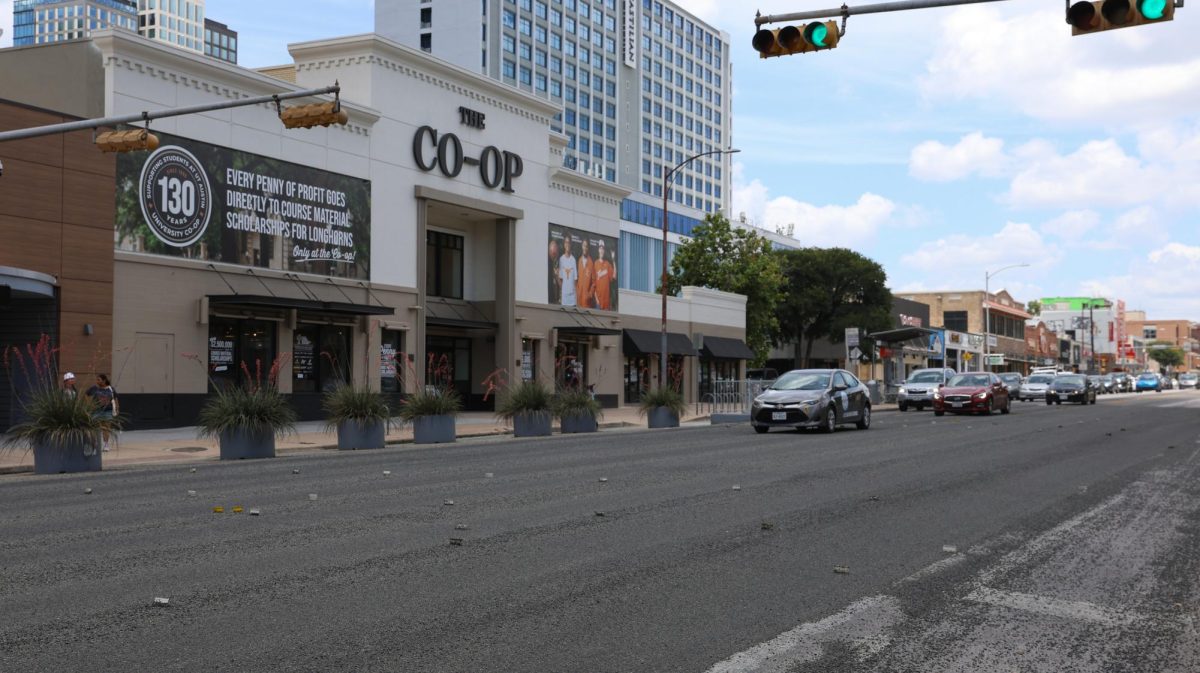
The CapMetro Bikeshare system, formerly known as MetroBike, offers rental electric bicycles at loading docks spread throughout the city. Additionally, several docks are located in front of the University Co-op and Perry-Castañeda Library. The system charges fares by ride, day, month or annually. A 50% discount is offered to higher education students, including those at UT.
“We will continue to keep our customers, partners, and the community informed as more information becomes available,” a CapMetro spokesperson wrote.
CapMetro hired Rimkus, a third-party investigator and consulting group, to aid in the search for the cause of the fire. Rimkus did not respond to a request for comment.
According to a May 2025 CapMetro report, the PCL Bikeshare loading station was the top-performing one of that year, with over 30,000 trips.
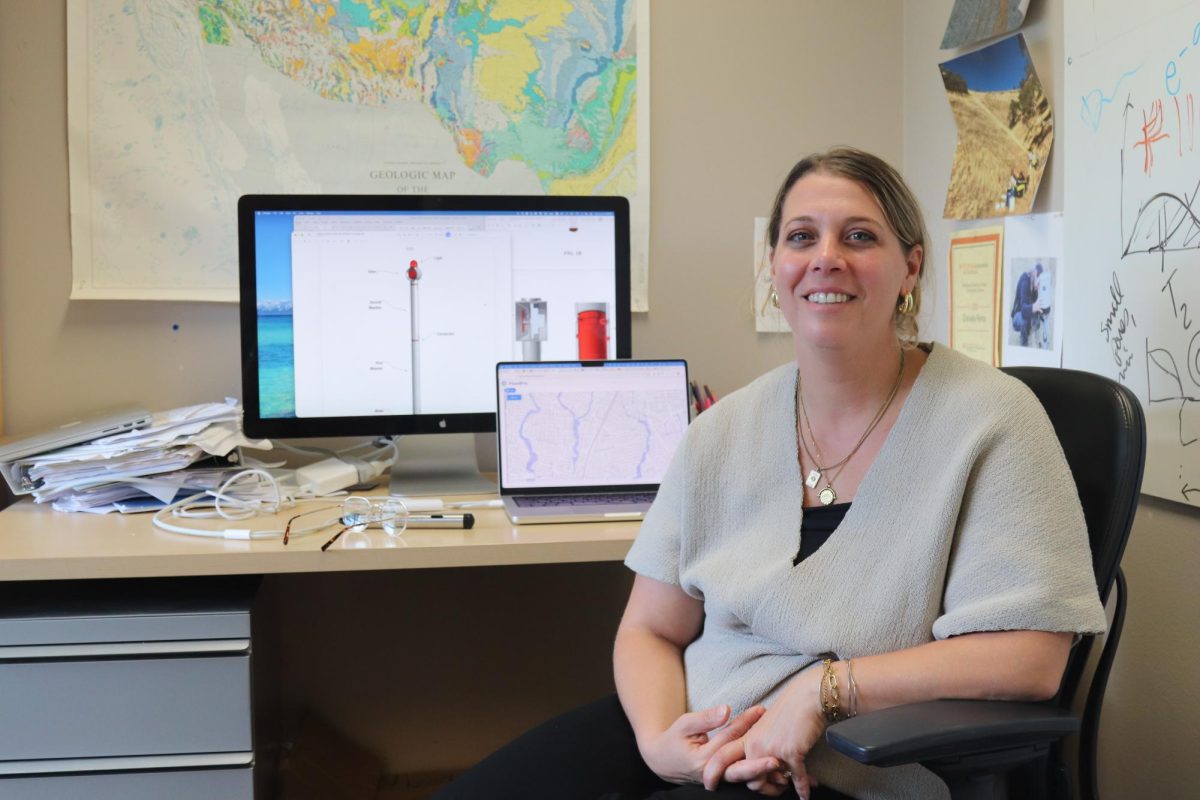
Steven Pedigo, director of the LBJ Urban Lab, said bikeshare services like these provide many benefits to the campus community, such as lowering traffic congestion and appealing to students as an affordable transportation option. With the service halted, he said congestion could increase and restrict alternative transportation for students.
“Over time, (rental bikes make) the city more accessible, and it reduces congestion,” Pedigo said. “If we’re taking this as a product off the roadway, the city isn’t meeting its goals around getting people out of cars.”
Pedigo said students might have to spend more money buying their own bicycles due to the service not being available. Buying a bicycle is an investment, he said, with owners needing to purchase insurance and cover repairs.
Due to the disruption, Li said he plans to go to a bike shop soon and potentially buy one of his own as a solution to the halted bike service. Although he still recommends the program to anyone when bikes are restored, he said he wishes CapMetro would be more transparent with the investigation and the timeline.
“It’s good that they’re handling this as a safety issue,” Li said. “I understand that they don’t want to give a deadline, so the company they hired isn’t getting rushed, but some transparency would be nice, so we have an idea of how to get around town in the meantime.”