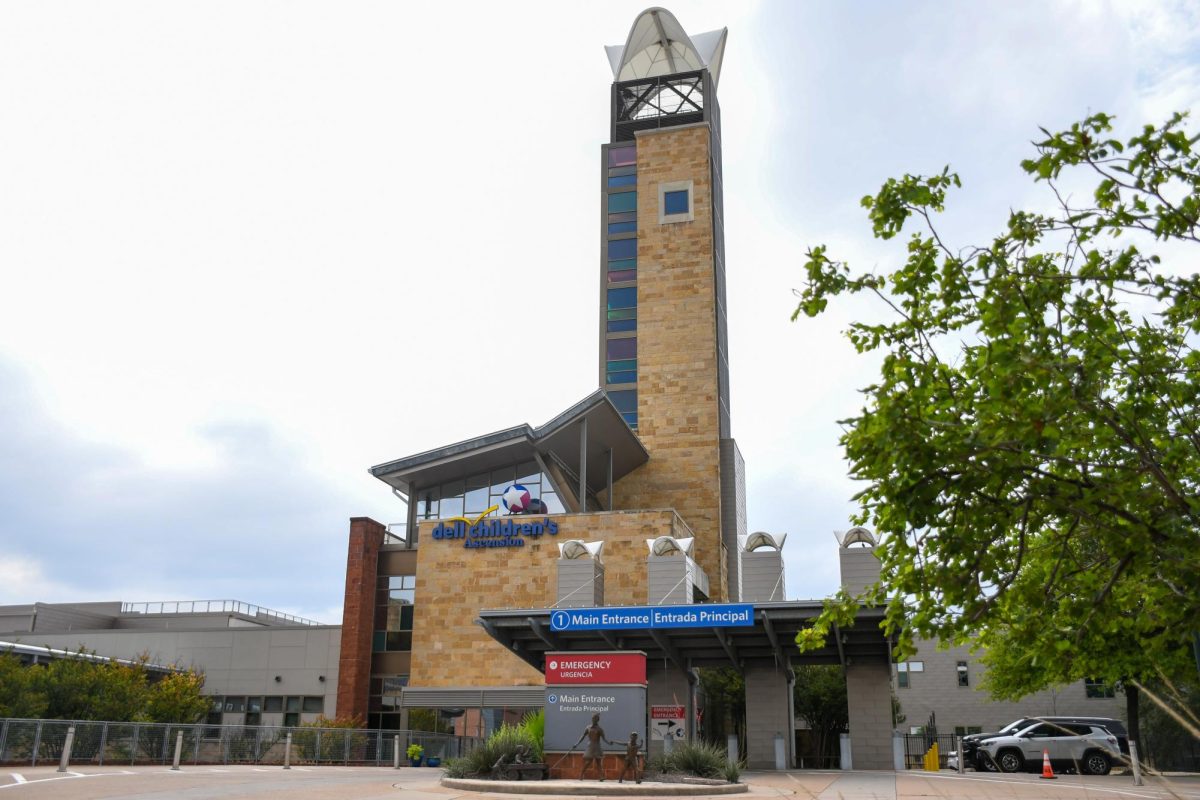
Dell Medical School launched Flow to Heal — a community development initiative and virtual yoga program for Black women — last spring.
Frederika Easley, Flow to Heal’s founder and instructor, began the program to combat the pandemic’s isolating effects and provide participants opportunities to exercise.
Easley, who has been a yoga practitioner for over 10 years, conducted stress assessments before and after each yoga session and analyzed the data after the initial six-week pilot program in March, finding a 43% average decrease in stress levels after the sessions.
“This program is an intentional combination of physical practice as well as community building,” Easley said.
It’s especially important for Black women to have a safe space for stress relief due to the institutionalized racism and lack of support they face, Easley said.
“Black women, because we’re in a patriarchal society…we are at the floor,” Easley said. “We carry a lot, but don’t have the same kind of emphasis and or focus put on us.
Hirofumi Tanaka, exercise physiologist and director of the Cardiovascular Aging Research Laboratory at UT, said yoga improves vascular function, which can lead to an increase in cardiovascular health.
While Cornelia Avery, one of Flow to Heal’s regular participants, initially joined the program to focus on her physical health, she said she also found the yoga classes beneficial for her mental well-being.
“I noticed myself becoming more present (and) more aware of what I’m doing,” Avery said. “I was able to take what I learned in the practice into everyday (life).”
Easley said she focused on creating a welcoming environment during the classes, as she noticed most traditional studios lack an inclusive atmosphere.
“Most times (when) you go to studios, you don’t see yourself there,” Easley said. “You don’t feel welcome there.”
When developing Flow to Heal, Easley said she “wanted to center Black women and create a safe environment where they could come as they are, in all of their curves and all of their complexions.”
Avery agreed that Easley created an inviting atmosphere for Black women.
“It has been life changing,” Avery said. “There’s a need for women of color to be able to come into a safe space and flow without judgement.”