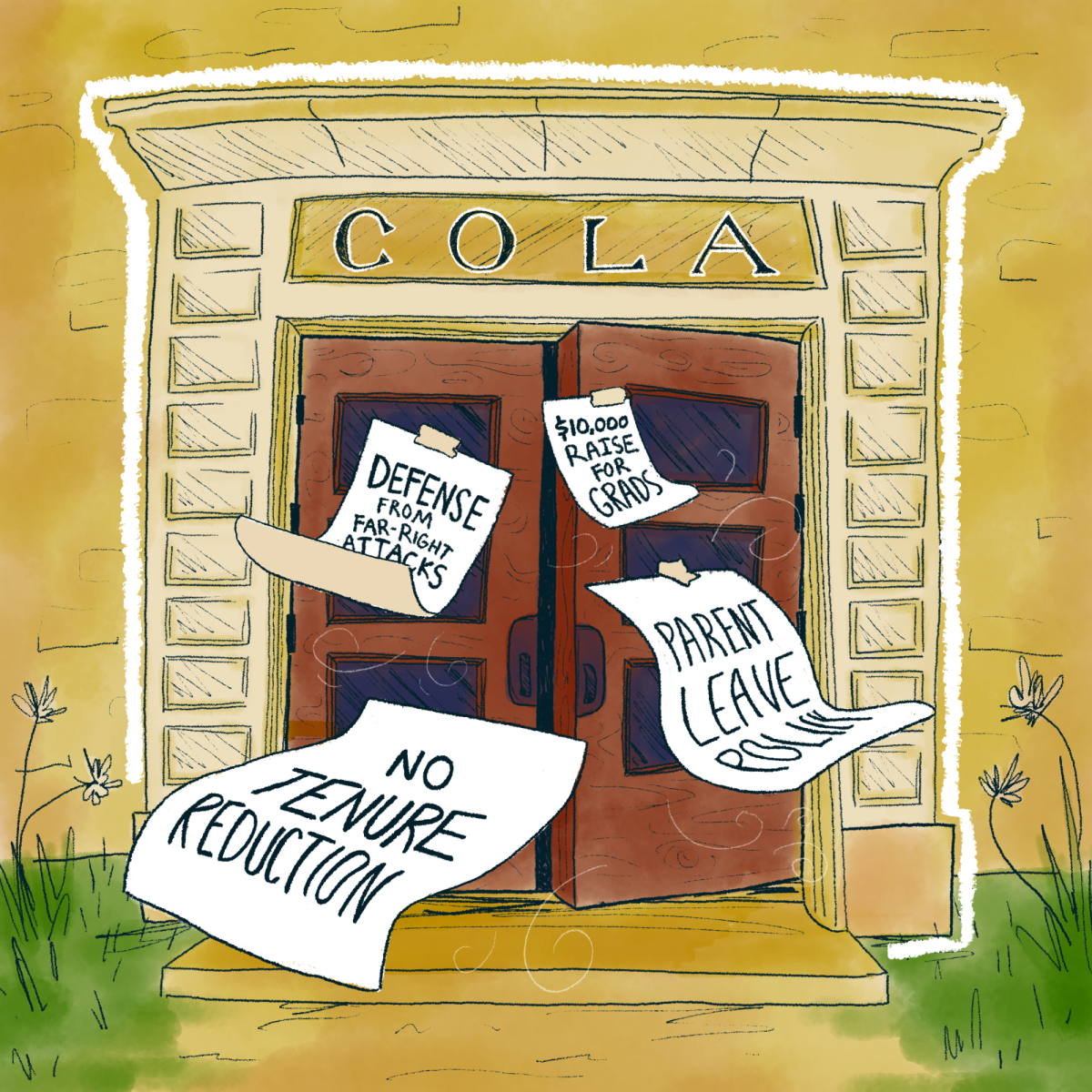
For a coalition of graduate students in the College of Liberal Arts, fighting for a living wage and just working conditions is a “marathon, not a sprint.”
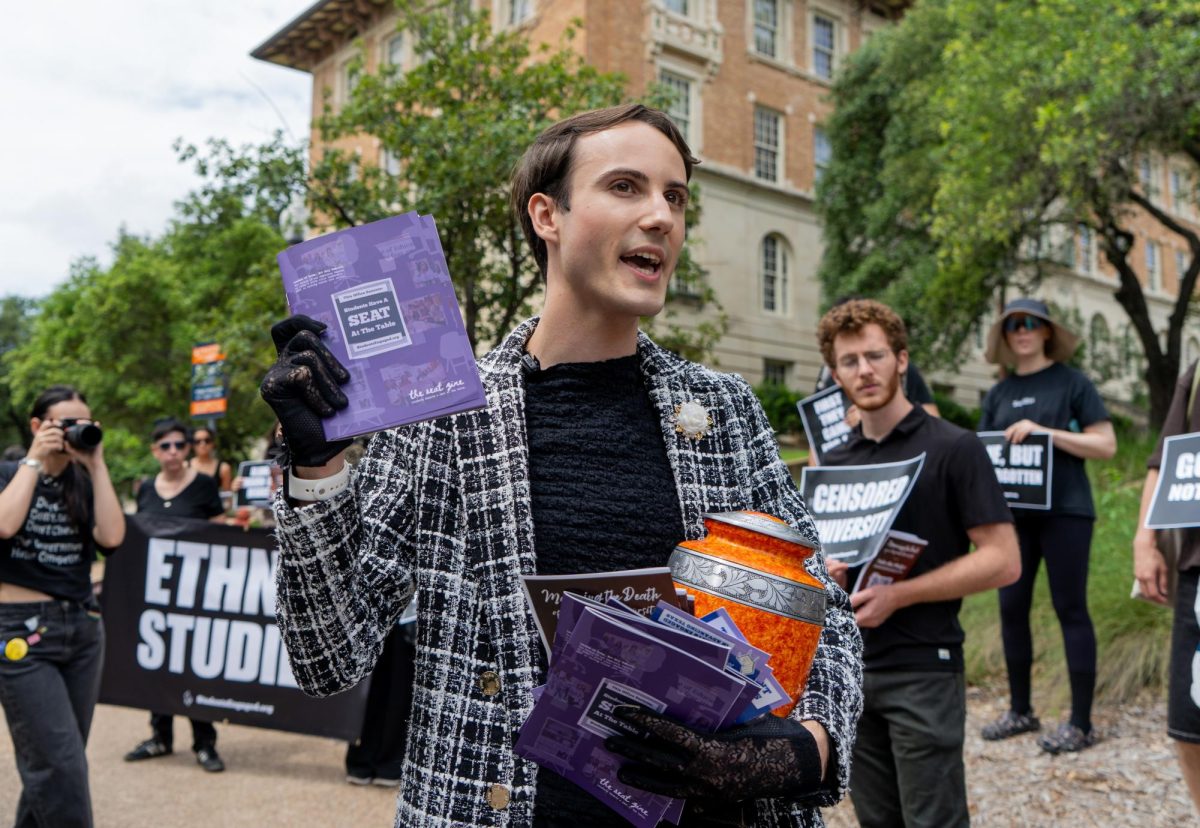
A group of graduate students known as Underpaid@UT introduced a new campaign, the “COLAlition,” on Jan. 23 to fight for pay raises and job security. The group is also preparing for potential outcomes of the current Texas legislative session, which will discuss topics related to ending tenure as well as banning diversity, equity and inclusion from public university coursework.
The group is fighting for a $10,000 raise for all liberal arts graduate student workers and a parental leave policy for students with families. The group also calls for the college administration to help “defend the humanities and social sciences from far-right attacks on academic freedom” and for the protection of professor positions on the tenure track.
“Our issues are shared issues, and that goes with staff as well, who we hope to build more solidarity and engagement with in the future,” said a COLA graduate student who asked to remain anonymous for fear of retribution.
The group is focused on addressing the fear around state labor laws, another anonymous organizer who is not in COLA said. They said supporting international graduate students, immigrants and LGBTQ+ community members in light of recent federal policy changes and the current cost-of-living crisis are top priorities for the group.
The annual base stipend for graduate students in COLA is $20,760, according to the coalition. The minimum teaching assistant salary is $19,570 for graduate students working 20 hours per week for nine months, according to the University.
Graduate students make up 70% of instructors in lower-level Spanish courses, making $20,000 for the academic year. This covers less than half of the $51,704 ‘living wage’ for a single adult living in Austin, according to the Massachusetts Institute of Technology Living Wage calculator.
“I’m sure that if we all stopped teaching or walked out, the University couldn’t function in the productive way that it does on the average day,” the COLA graduate student said. “We will keep base-building and then hopefully move forward with collective action.”
In 2021, the University began investing $11 million yearly towards graduate student salaries and benefits. TA and assistant instructor stipends in COLA increased 20% over the last five years, University spokesperson Mike Rosen said in an email. The minimum hourly pay for University doctoral candidates is $25 per hour.
“We always value student feedback to better understand their needs,” Rosen said. “UT regularly reviews graduate student compensation, ensuring we provide a comprehensive education package. Ph.D. students’ starting pay is above the Austin hourly living wage, and they receive additional benefits, such as free health insurance and tuition.”
As the coalition builds awareness within different liberal arts departments, the organizer said they hope to adapt their campaign goals to feedback from the graduate student community.
“(We have) a vision that ends with concrete material gains for COLA graduate students because all the rhetoric in the world is no substitute for a living wage,” the organizer said.