Following a week of action calling for higher graduate student pay and worker protections, a coalition of graduate students is reflecting on its organizing approach — one they say is collaborative but has no rigid definition in a changing campus climate.
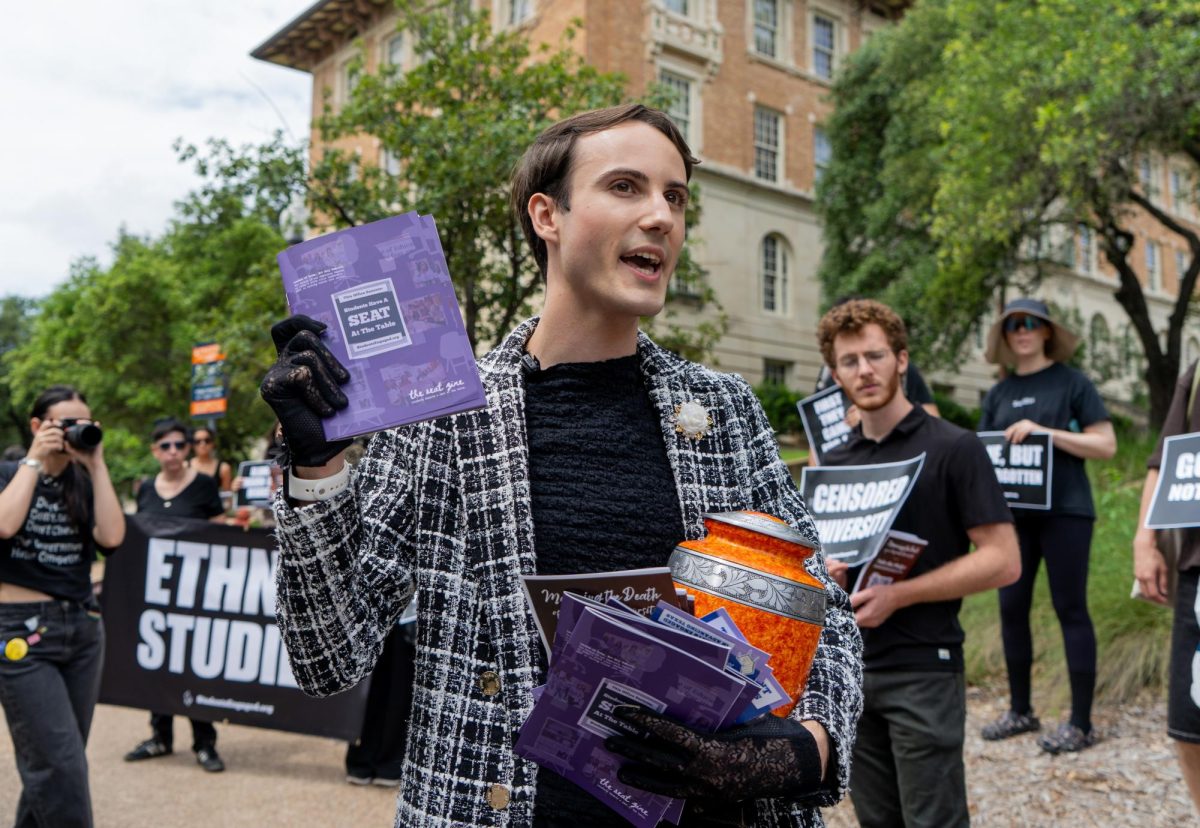
The group Underpaid@UT held a meeting on April 10, part of several events inviting students, community members and University administration to engage with their most recent campaign, the COLAlition. Students in the campaign are fighting for a $10,000 raise for all liberal arts graduate student workers and a comprehensive parental leave policy. Additionally, the coalition is calling on the University administration to “defend the humanities and social sciences from far-right attacks on academic freedom” and take steps to protect professor positions on the tenure track.
In a letter to the COLAlition, University administrators declined the invitation to meet with the group and instead proposed individual meetings with graduate students to discuss concerns. Julia Wolfe, a graduate student in economics and organizer with Underpaid@UT, said she recognizes the decision processes around pay, working conditions and student worker protections happen at different levels within the administration.
“We were disappointed that the administration didn’t send any representative to our Thursday meeting,” Wolfe said. “We certainly weren’t surprised by that. In terms of meaningful change that the administration could make, they have our list of demands … pay us a living wage, make sure we have protections for students and especially vulnerable populations, particularly international students.”
Organizer Evan Scope Crafts said ultimately, the coalition’s strategy is centered on collective labor organizing. He said the coalition may consider revising demands and strategy to further align with students’ needs and what they are willing to engage in, including the risks some graduate student community members currently face with immigration.
“Unionizing doesn’t have a formal legal meaning in our context, because the University legally has no responsibility to collectively bargain with us,” said Scope Crafts, a computational engineering graduate. “Collective labor action means acting as a union. It could mean something as little as a one-day work stoppage. It could involve withholding grades. It could involve actually going on strike, but all of these things, for international students right now, it’s really scary to imagine doing anything like that.”
International students made up over 40% of the graduate student population at UT in 2023-24, according to the University’s most recent data. When the coalition first launched their campaign demands in January, the organizers said they were planning on fighting for international graduate students who often face challenges obtaining legal work authorization.
Alex Voisine, an Underpaid@UT organizer and a graduate student in the Department of Spanish and Portuguese, said the coalition planned to draft a survey to better understand how campus policies are impacting students, particularly the experiences of international students Wolfe and fellow organizers said the approach to building relationships within departments was important to continue assessing the specific concerns of students, particularly for international students.
“We want to be standing up for international students in this moment, so many graduate students are international students and undergraduates, who, of course, we are teaching assistants for and we care very deeply about their well-being and their education,” Wolfe said.