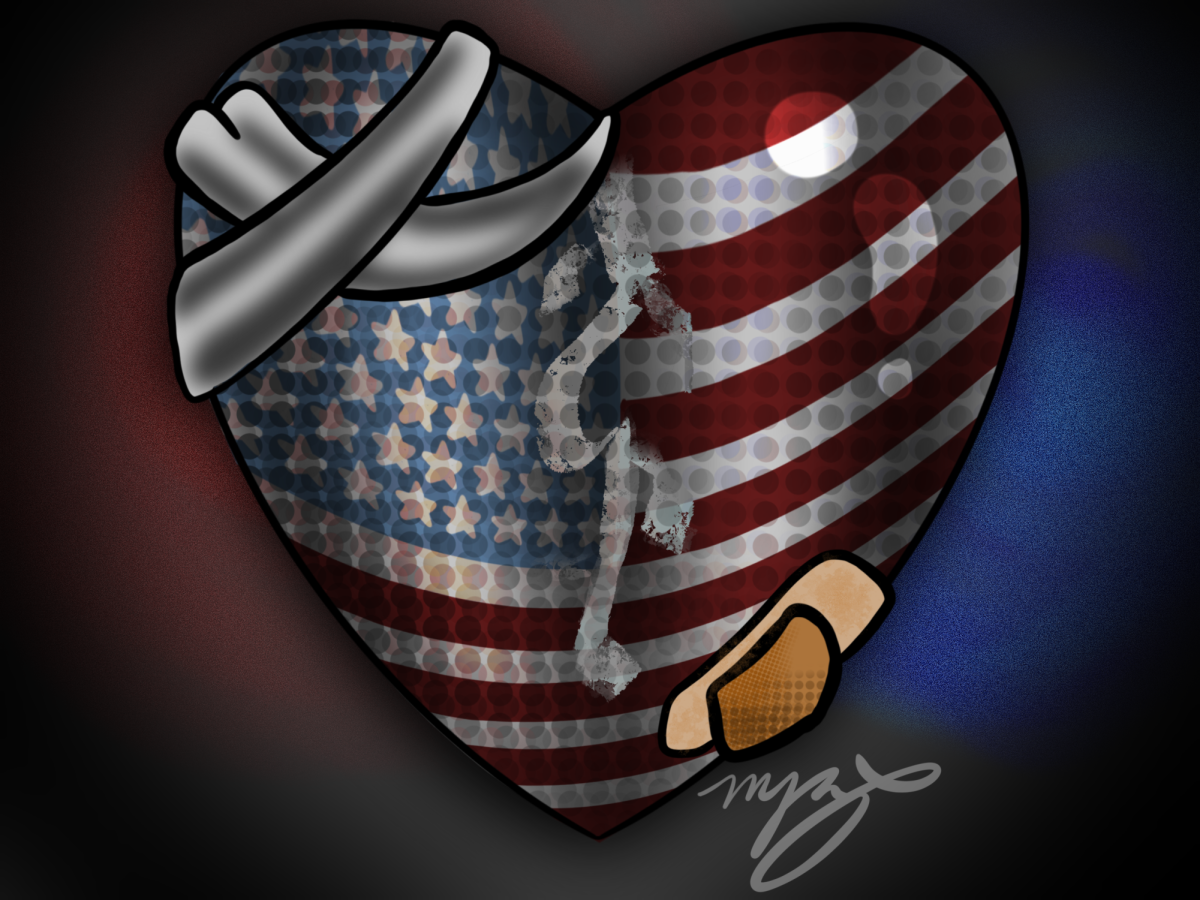
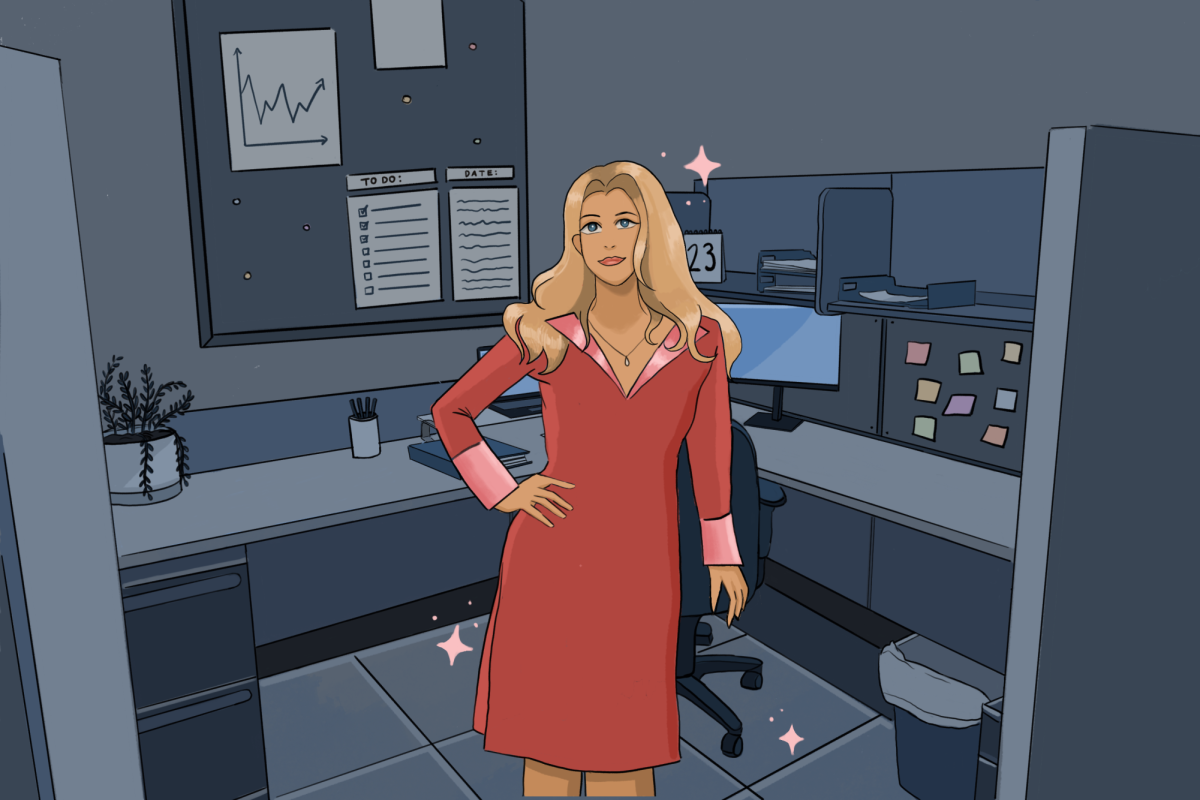
When we were kids, Disney movies taught us that the world was simple: heroes are kind and morally just, while villains are cruel and morally conflicted. This black and white framework was created for easy storytelling, but as we’ve grown up, we risk carrying that same mindset into places where it doesn’t belong — like politics.
“I agree that Disney has created a black and white (framework),” said radio-television-film senior Noel Adan Cantú. “When’s that’s all you watch as a kid, even outside of Disney movies … it (has) that same concept of absolute good versus the absolute evil, the good that has always been good, and the bad that has always been bad.”
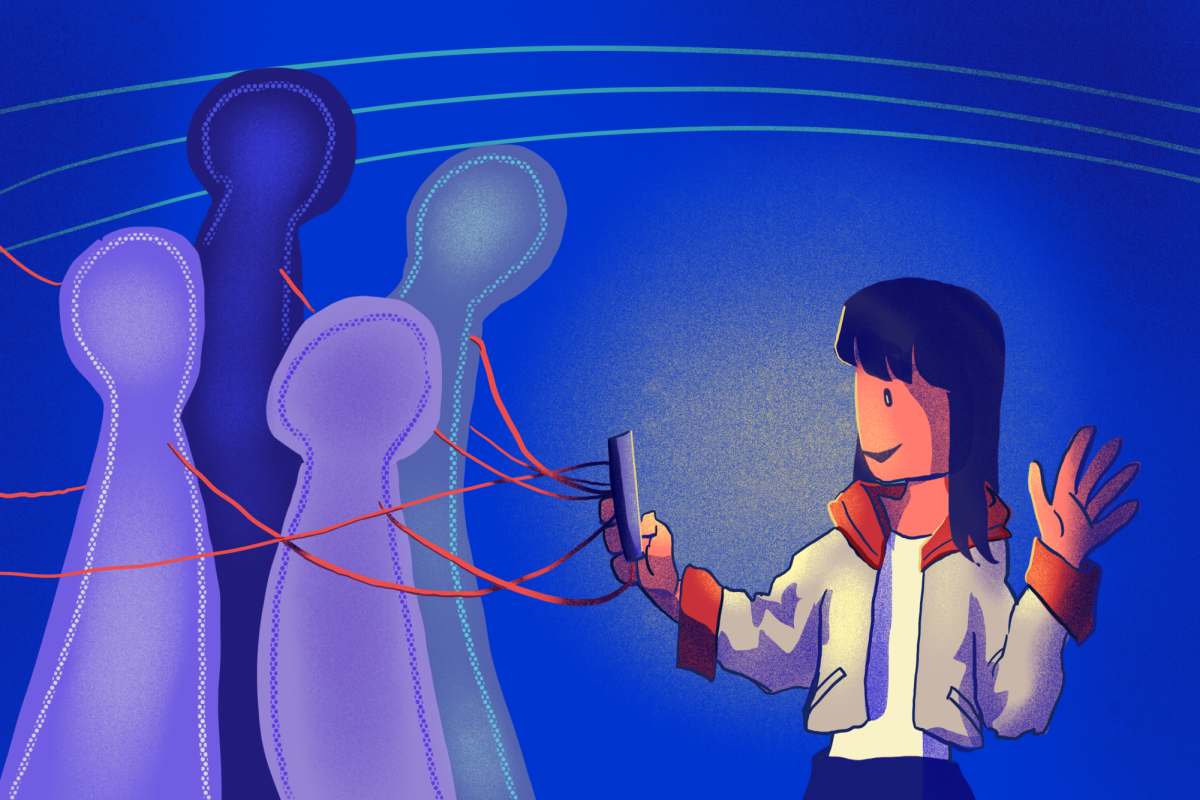
At UT and beyond, both the left and right increasingly see themselves as the heroes in their own story while painting the opposing side as irreparable villains.
Both sides believe the other is a threat to democracy, freedom or basic morality. The problem? This way of thinking makes it nearly impossible to engage in real discussions.
We see this dynamic play out constantly — on campus, online and even in the news. Debates over issues like immigration, affirmative action and abortion quickly become moral battlegrounds where the goal isn’t to understand but to win. If someone disagrees with you, it’s not because they have different experiences or values; it’s because they’re either ignorant or outright evil.
“I think it’s not just about what we see as right or wrong,” said radio-television-film professor Mary Beltran. “Different news outlets share different facts, and those facts shape how people determine what’s right or wrong. So, it’s not only about morality — it’s also about where people get their information. Unfortunately, there are conflicting narratives depending on the type of media, which leads each group to believe they’re being patriotic, being good Americans.”
Of course, Disney isn’t solely responsible for this mindset. Political commentators, social media algorithms and even the way history is taught in schools all feed into a culture of polarization. But Disney’s influence is undeniable. The stories we grew up with shape how we see the world, and for many of us, that meant learning to expect clear-cut battles between good and evil. In reality, most political issues are complicated, and most people, on both sides, are more nuanced than we realize.
To change our way of thinking, we first need to recognize when we’re falling into the hero vs. villain mindset. If we find ourselves dismissing someone’s perspective outright, we should ask ourselves: Why do I think they’re wrong?
Instead of resorting to debate as a default setting, we should focus on listening and make a point to understand. We should look for all the contributing factors that shape people’s beliefs because it’s seldom as simple as it seems.
Ultimately, we don’t assume temporary residence in Wonderland, and we don’t fight alongside Mulan to determine the fate of a nation. We are humans filled with emotions that help shape our way of thinking. If we want to move forward as a society, whether that be on campus or outside the UT bubble, we have to stop viewing our political “opponents” as villains. If we treat every disagreement as a battle, we won’t just lose debates — we’ll lose the ability to work together as a whole.
Huerta is a government sophomore from Victoria, Texas.