When my AP English teacher introduced us to the works of Kate Chopin in high school, I fell in love with the way she told stories. Her punctuation wasn’t only structural, but emotional, and taught me how prose could mirror thought. Through her, I not only learned how to analyze literature but saw myself in it. From Sylvia Plath to Virginia Woolf, the writers I admired lavishly wielded em dashes. They weren’t just grammatical marks — they were fingerprints.
Em dashes are my favorite stylistic element. I have used them more than one reasonably should, and they appear in nearly everything I write. On paper, they allow my overflowing thoughts to pour out and take shape. Over time, they’ve become an important part of my voice in punctuation form — helping me say what I mean, exactly how I mean it.
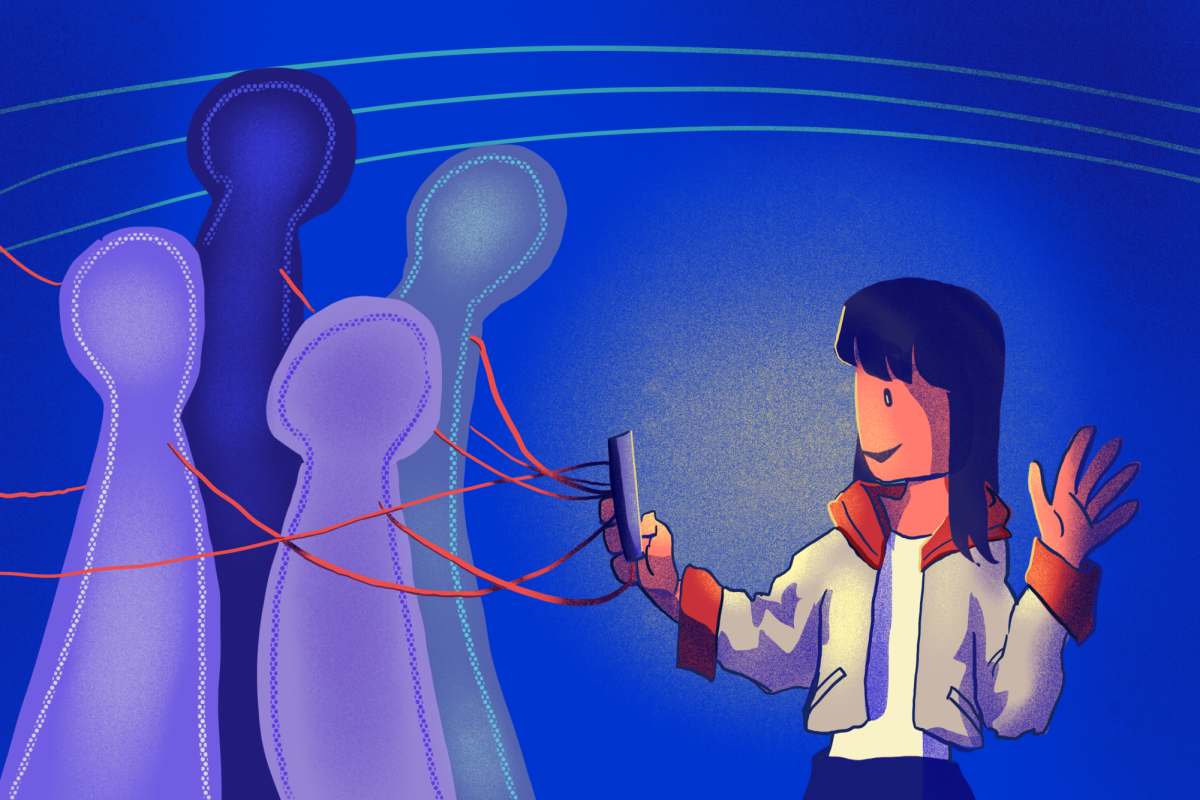
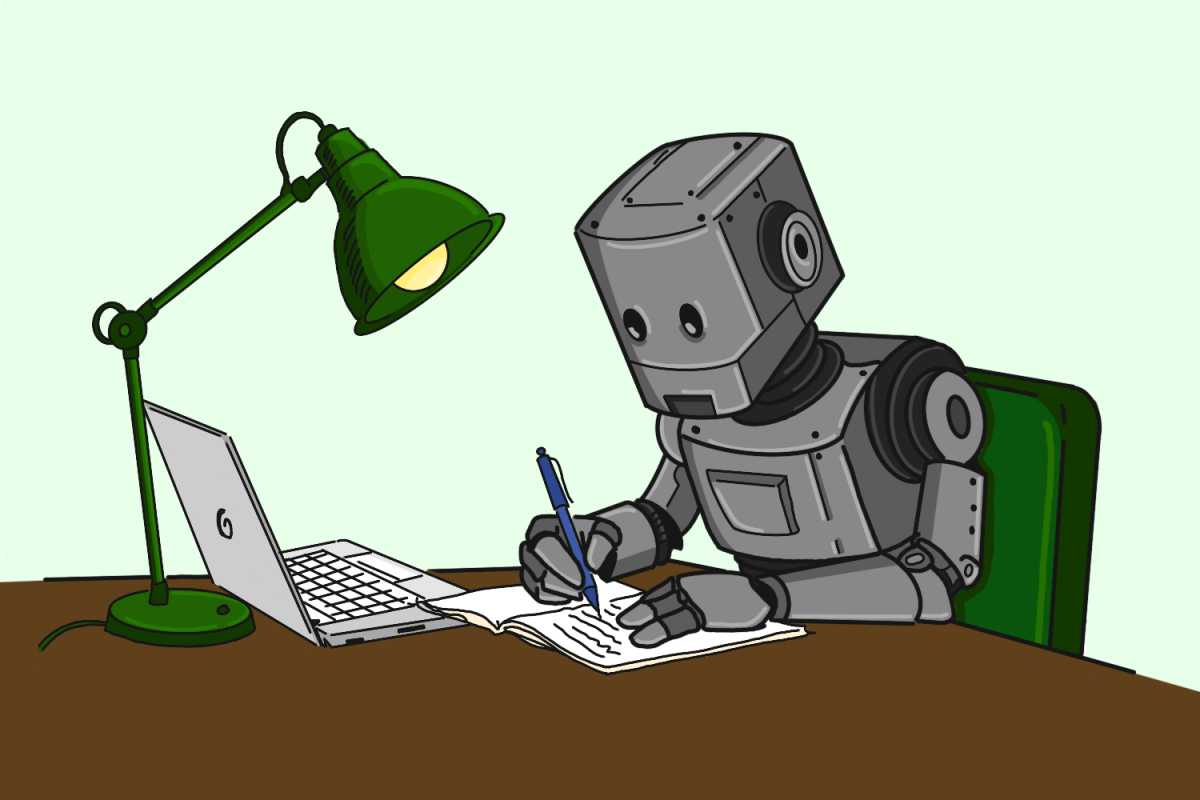
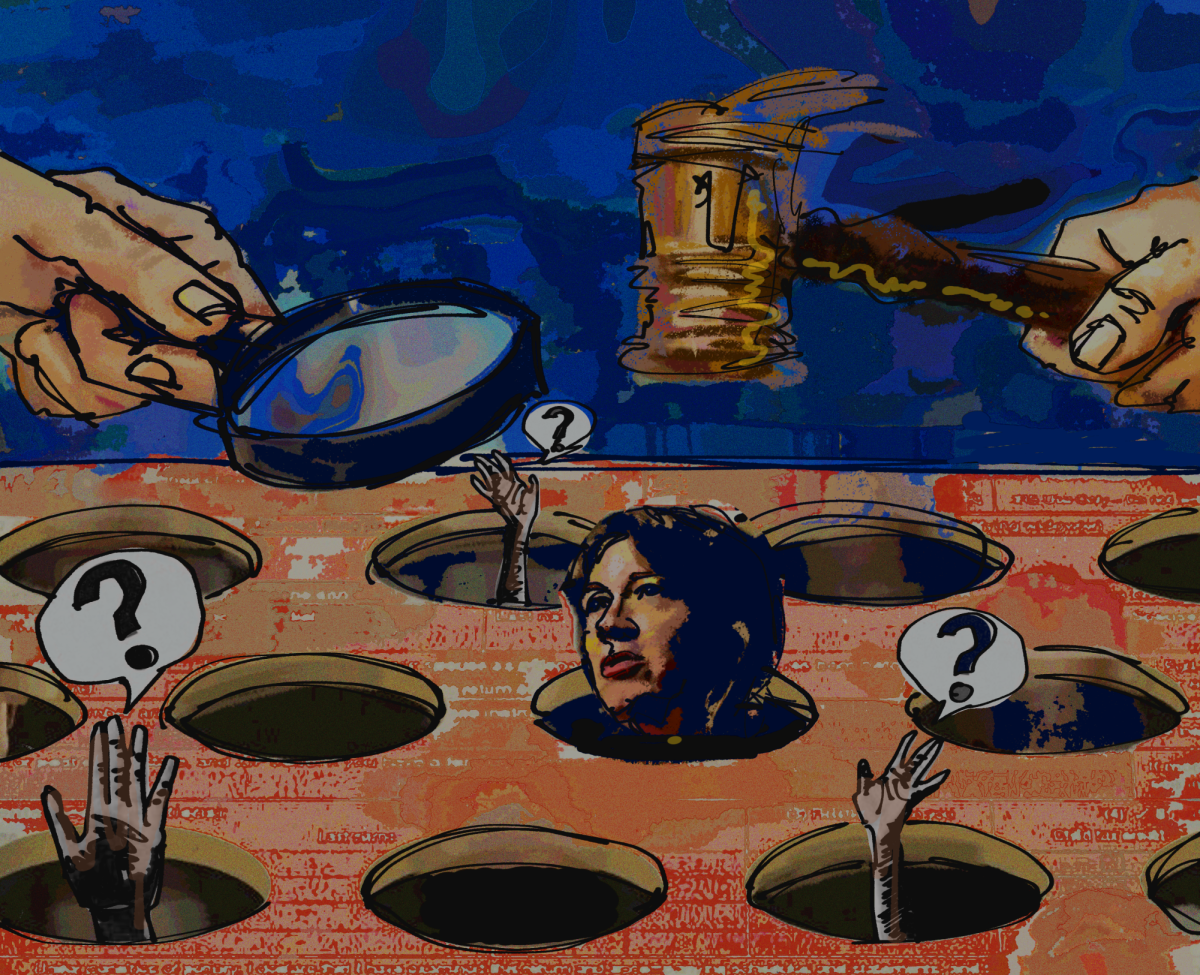
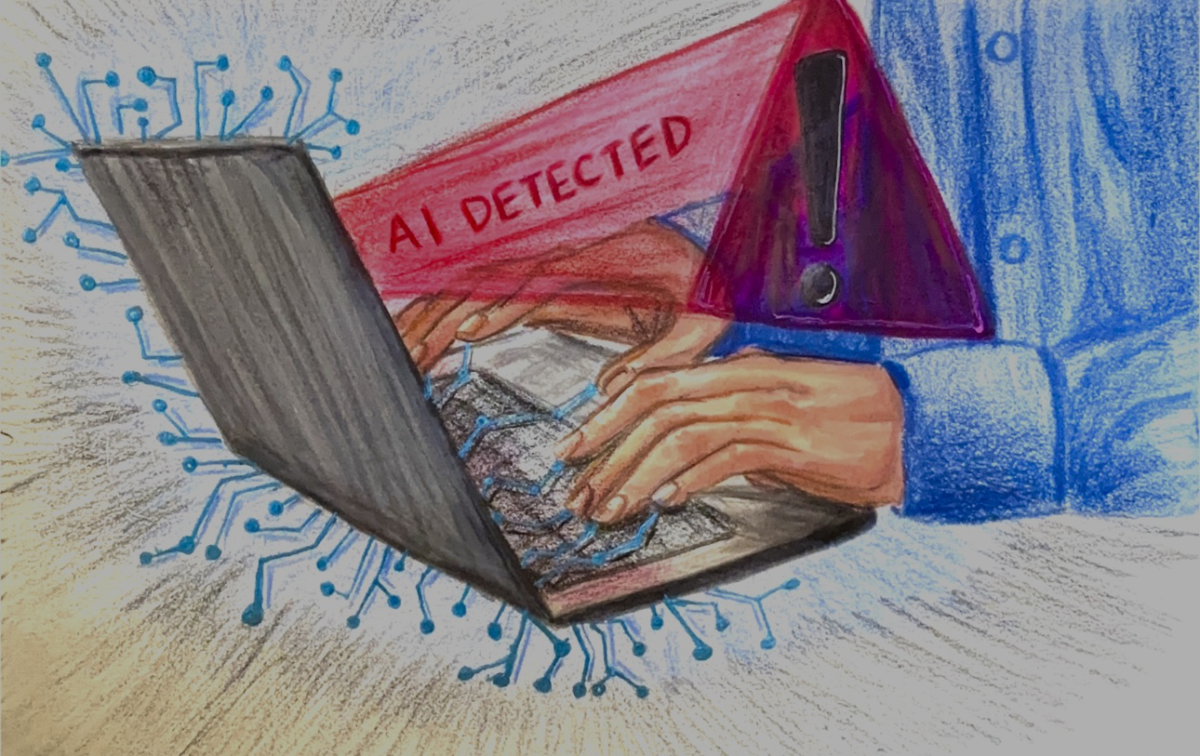
But lately, I have started deleting them. Not because my writing changed, but because the culture around it did. With the rise of AI detectors and growing unease about AI’s usage in academia, many have begun scanning for signals, and style itself has become suspect. The very things that once made writing feel personal — rhythm, tone, even punctuation — are now flagged.
“I don’t use (dashes) anymore because I know that it can seem that’s a very telltale sign of AI,” said Andrea Martinez, psychology and sociology junior. “I tend to use semicolons. … I’m sure it could seem like I’m using AI.”
A 2023 Stanford study found that AI detectors frequently produce false positives, especially for non-native English speakers and students who use more formal language. In some cases, human-written texts were flagged more often than AI-generated ones.
“We are interested in strong writing, but we’re more interested in strong writers,” said Casey Boyle, associate professor of rhetoric and writing. “The whole point of education, learning to write (and) teaching people how to write is to develop (their) skills. (Our mission is) to develop writers who are confident, inventive, creative and critical, and can express themselves in those kinds of ways for a myriad of different audiences.”
For students, that kind of confidence is harder to build in classrooms shaped by doubt.
“I think it sets up a bad relationship between a student and a teacher when you put (a) criminal lens like, ‘Prove you’re innocent before I even read your (writing),’” Boyle said. “I think it’s an awful interface between a student and a teacher to inject this kind of (ideology) in there.”
Some argue that this scrutiny is necessary. In a world where AI can generate essays and mimic human thought, we must look closely at every sentence, but that logic assumes students can’t write with clarity, fluency or voice on their own. It mistakes style for suspicion. When we start treating punctuation as proof of wrongdoing, we risk silencing authenticity in writing and discouraging the experimentation that it’s designed to support.
This isn’t a plea to ignore academic integrity but a reminder that writing is a deeply human act — shaped by culture, personality and process. UT should treat punctuation as signals of individuality, not red flags. If a professor suspects AI, the first step should be a conversation about how the piece was written, not automatic suspicion. Students deserve to be heard before being doubted.
Em dashes are reflections of how we think and who we are. A stylistic element shaped by voice, rhythm and intent should never be the first thing erased.
Vazquez is a journalism sophomore from Monterrey, Mexico.