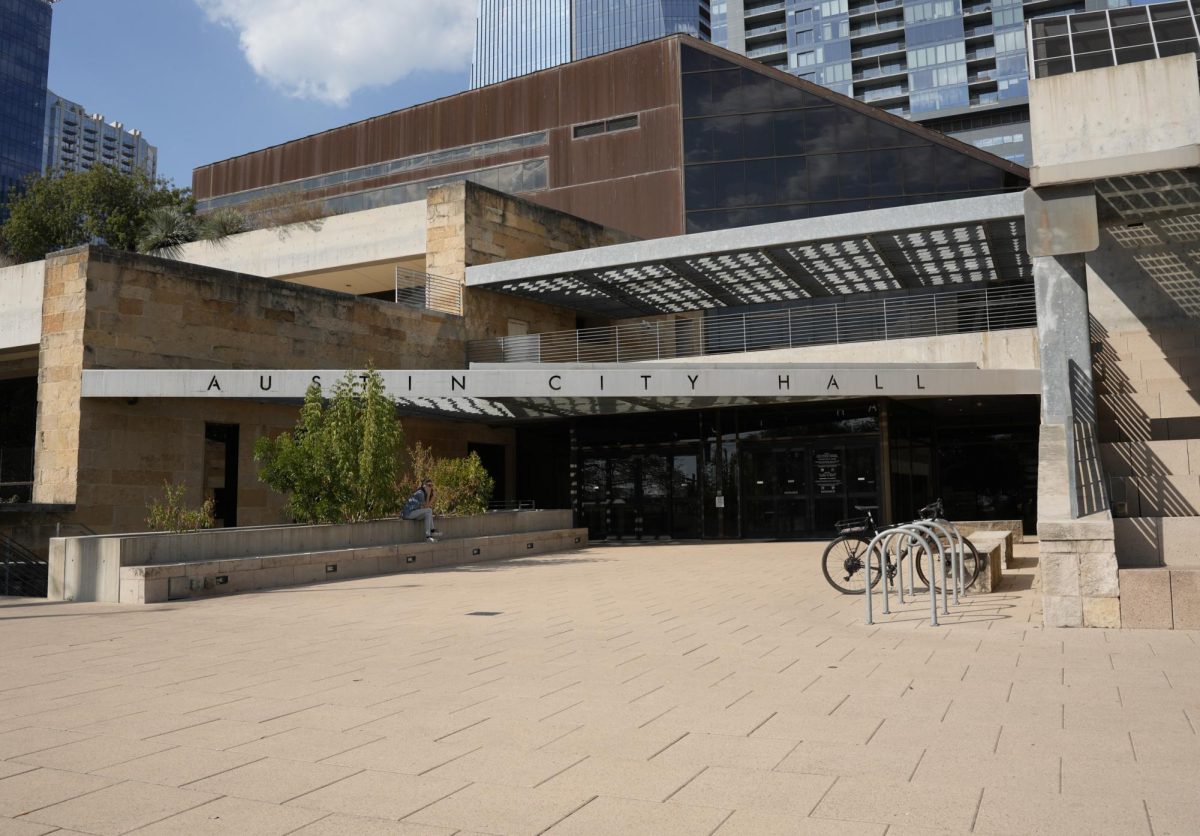
The Austin City Council approved an interlocal agreement between Capital Metro and the Austin Transportation and Public Works department on Aug. 28 to improve travel time and schedule reliability.
The agreement will expand Transit Signal Priority, a federal strategy that gives buses and other forms of public transportation priority at traffic signals, according to the Federal Transit Administration. It will also extend the system to public safety vehicles so they can arrive at emergencies faster, City Council Member José “Chito” Vela said.
The city and CapMetro gave priority to the Rapid 801 and 803 routes in 2013, according to the City Council recommendation for action, which allowed for longer green lights for transit vehicles at certain locations.
The approved measure will expand the existing agreement to implement a citywide system, which will prioritize any city bus at all traffic lights operated by the city of Austin, according to the measure. The department will maintain traffic control system equipment and software, while CapMetro will be responsible for Transit Signal Priority equipment and software connected to public transport.
CapMetro was not immediately available for comment.
“Public transportation is really important to allow cities to grow big and still have their workers be able to access their jobs in an efficient way,” said Caitlin Gorback, an assistant professor of finance with transportation research experience at the National Bureau of Economic Research.
Gorback said that as cities grow larger, they expand out into suburbs, and the areas where people work become concentrated in city centers. Traffic congestion occurs when a large number of people commute to these centers every day.
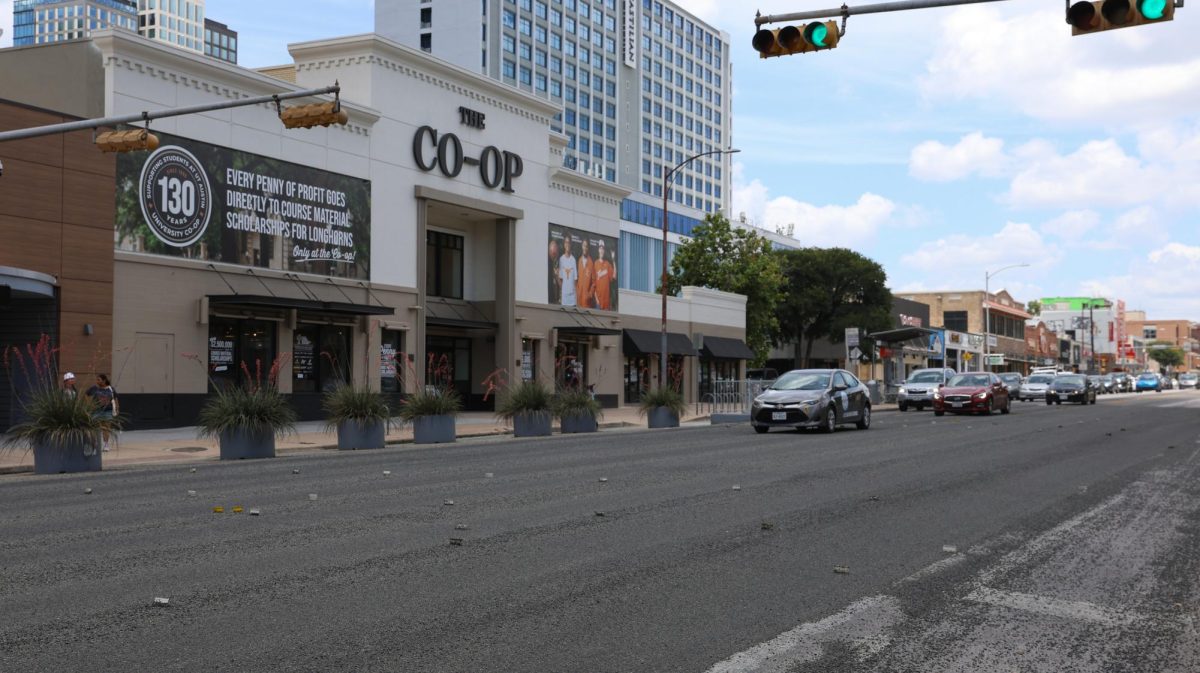
According to a Consumer Affairs report on cities with the worst traffic in 2025, Austin ranked 15th worst, with traffic going at less than 90% of normal speed for 4 hours and 50 minutes every day. Gorback said cities can implement two kinds of public transportation systems: an expensive but reliable subway or railway system, or more flexible, less costly bus routes that use existing infrastructure.
However, Gorback said that while Transit Signal Priority allows buses to get through green lights, it also allows cars to move forward. The real focus should be on what traffic congestion looks like one or two lights ahead. Combining Transit Signal Priority with other strategies like dedicated bus lanes and paying before riding the bus can help reduce that congestion as well, Gorback said.
“If you can go through the light, but everyone else can also move through the light, all you’ve done is kind of prioritize that one flow,” Gorback said. “If you haven’t dealt with the blockage ahead, you’re not going to move forward.”