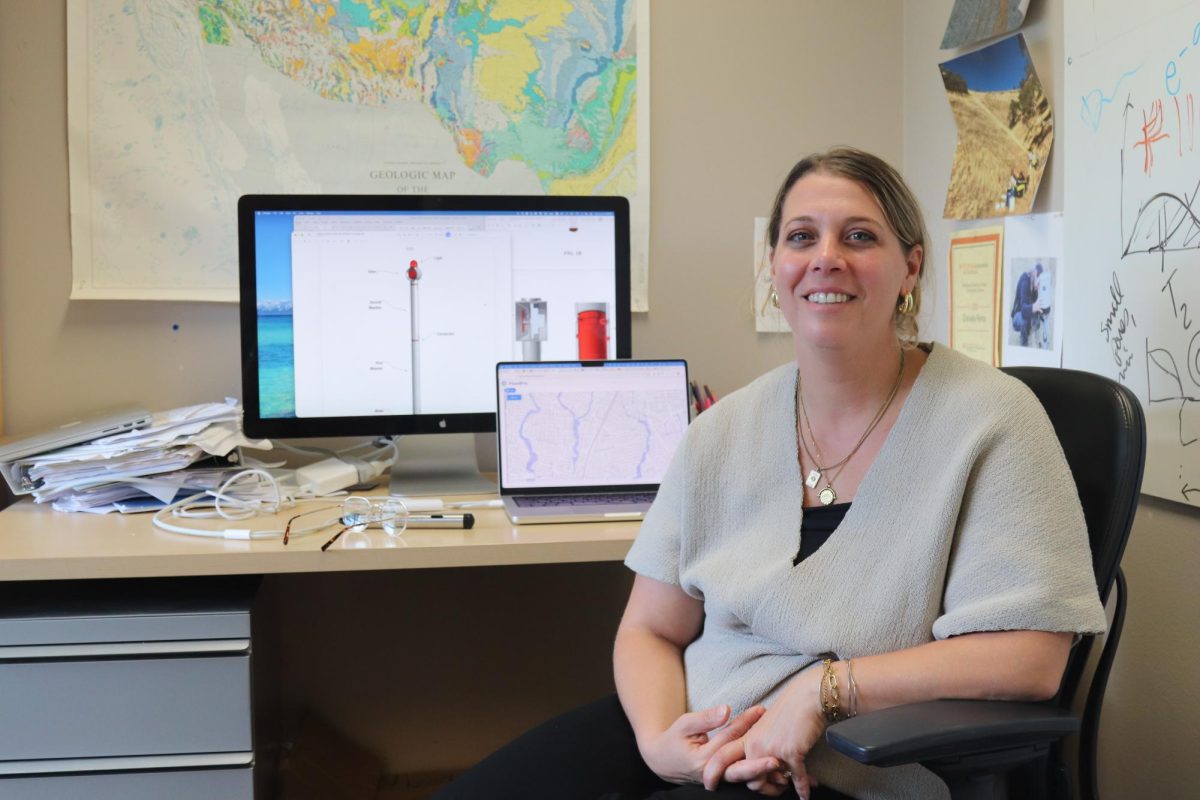
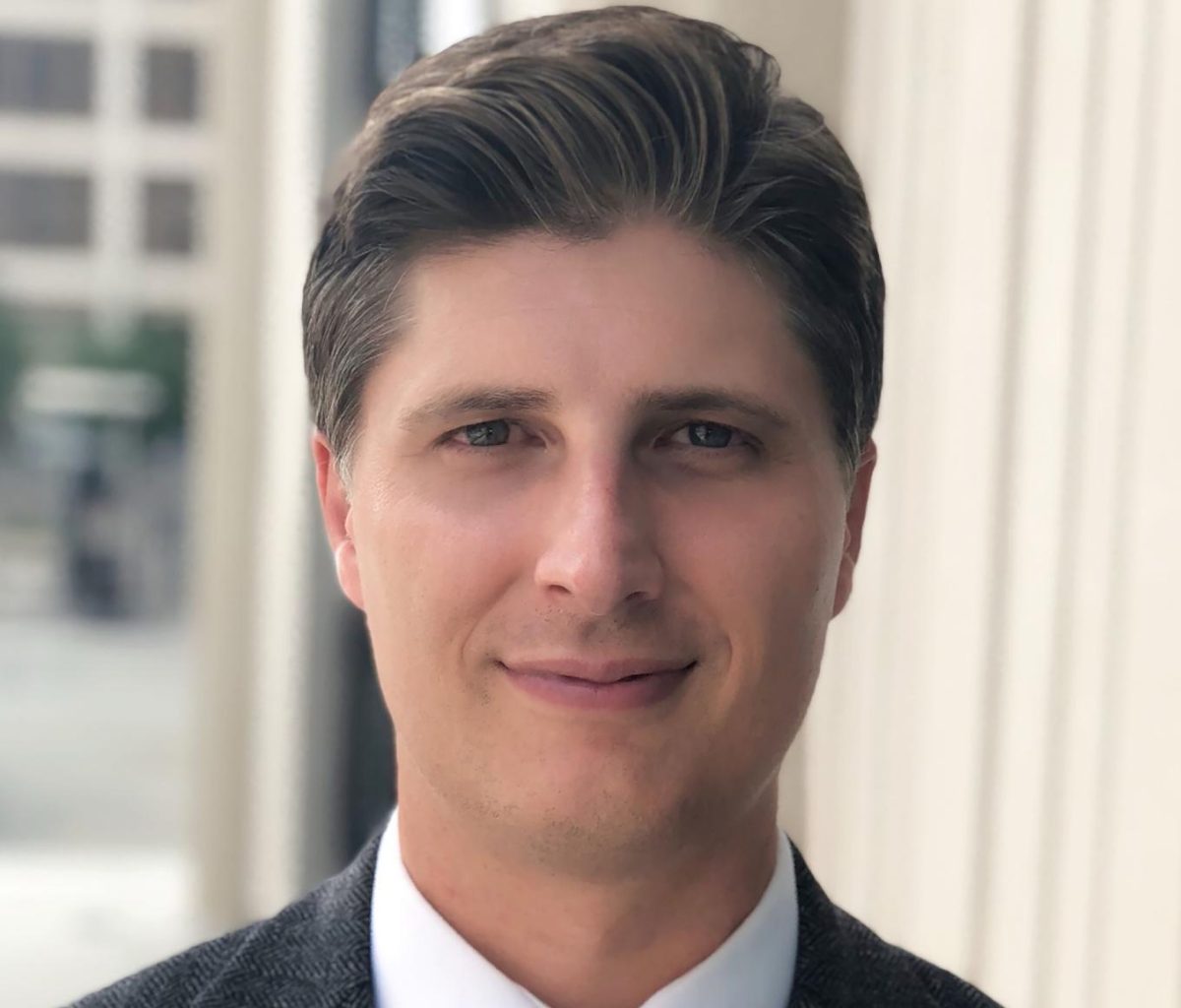
Eager to represent the School of Nursing, Li-Chen Lin was elected for her first term in the UT Faculty Council in 2024. As a former council member, she loved providing a voice for her community and engaging with students.
“Being able to communicate with the leadership, the president, face to face, voice my concern and be the voice for my school,” Lin, a clinical associate professor in nursing, said. “Any concerns from my school, I can be the voice for them. That, to me, is so important.”
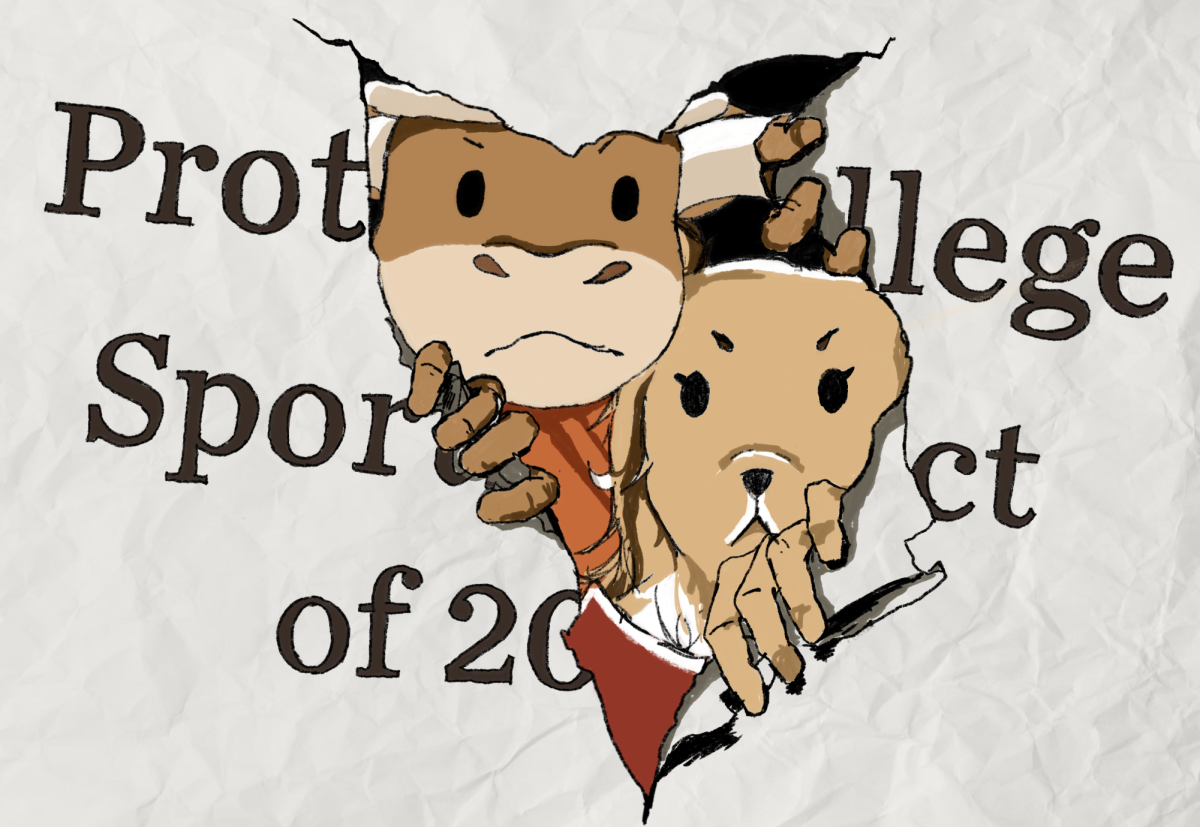
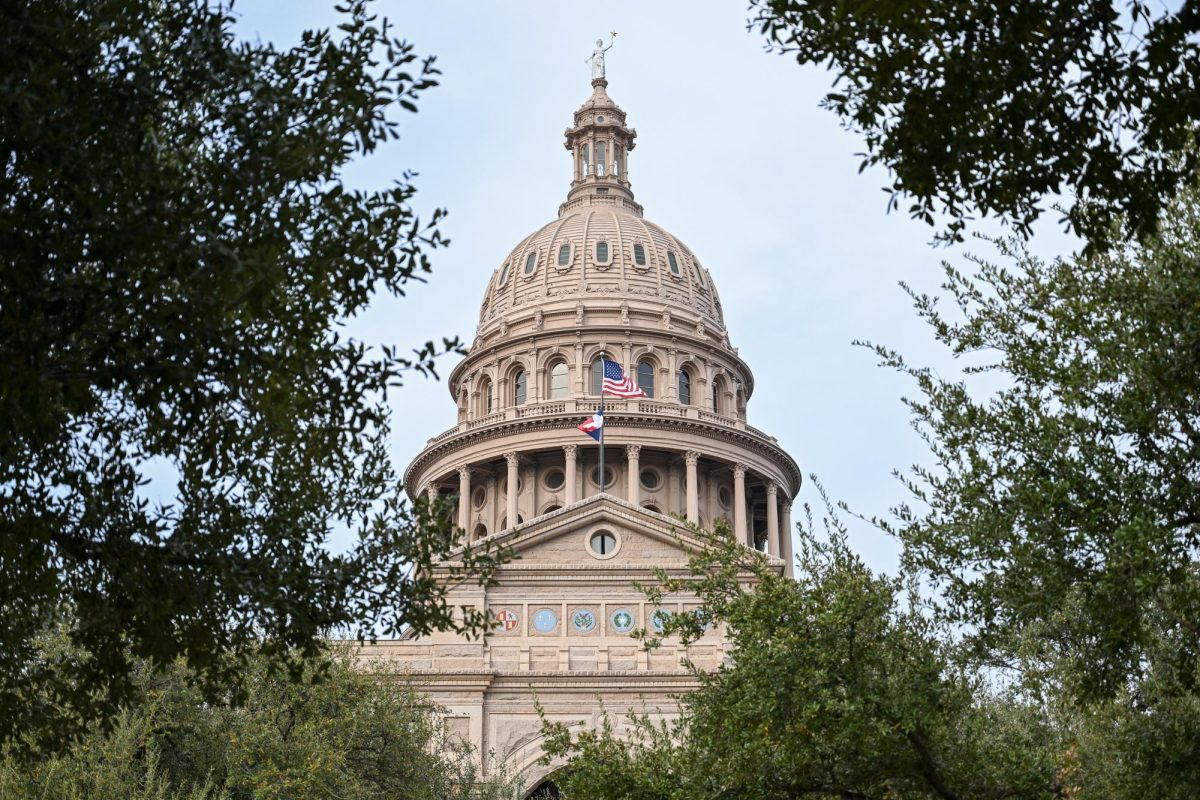
However, the UT System Board of Regents dissolved the faculty council on Aug. 21 in compliance with Senate Bill 37, which requires university faculty councils to serve solely as advisors instead of decision-makers. The new measure means Lin’s term would be cut short — at least for now.
Last week, faculty members were notified that the University would develop a new faculty council in compliance with the law in an email from William Inboden, executive vice president and provost.
With this development, former members were left with mixed emotions in the aftermath of SB 37 and questions about where the council would go from here.
How did former faculty council members react?
The new law allows a maximum of 60 members in faculty councils, as opposed to at least 70 members elected in the original council. The measure also states that each college and school within universities needs at least two representatives for “adequate representation.”
Larry Schooler, former faculty council member for Moody College of Communication, said this could cause disproportionate representation, but he understands the possible need for providing a voice to smaller departments.
“It’s like the U.S. Senate,” said Schooler, an assistant professor of practice in communication studies. “You theoretically give more influence to that smaller state. There is that risk, but at the same time, equity matters, and people should feel as if they can see themselves in one or more of the representatives.”
Additionally, the law requires one of these members to be appointed by a university’s president or chief executive officer, with the rest being democratically elected by faculty.
Gordon Novak, former faculty council member for the College of Natural Sciences, said he feels the law was an “overreaction,” as the council has not historically had much decision-making power. He said SB 37 could further limit faculty input in University decisions.
“You see stories from ancient times where the king would put on peasant clothes and go mingle with the people so the king could find out what was going on,” Novak said. “The president needs to walk among the peasants.”
What are former members’ hopes and worries for the new council?
As the University hammers out a new council, faculty expressed hopes and worries about how this new council will look.
Schooler said he wants a better way for members to communicate their concerns to the administration.
“If we’re all going to assemble, then let’s make that an opportunity for us to exchange points of view,” Schooler said. “In most meetings, there was very little time set aside for that. That’s partly based on how much is going on at the University and how much there was a report on.”
Tom Brenna, former faculty council member for the Dell Medical School, said the faculty considers how University decisions impact them in the long run and worries the new council might not share those concerns.
“We’re thinking in the long term about the University in a way that we suspect the administration doesn’t because they’re going to be somewhere else in five years,” said Brenna, a professor of pediatrics, chemistry and human nutrition. “If I had to have one thing, it would be that it’s still a place where people can speak their mind about the best interests of the University.”
Although Lin does not know where the faculty council will go, she knows one thing: if she can, she wants to serve as a council member again.
“It was a very empowering and very important role that I played,” Lin said. “I feel so honored to be in that position, but sad. It’s like, ‘Wait, what happened? I want it back.’”