Multiple sclerosis, a chronic condition, causes muscle weakness, numbness, and pain in the extremities, as well as balance and vision problems. The condition proves difficult to diagnose and nearly impossible to cure.
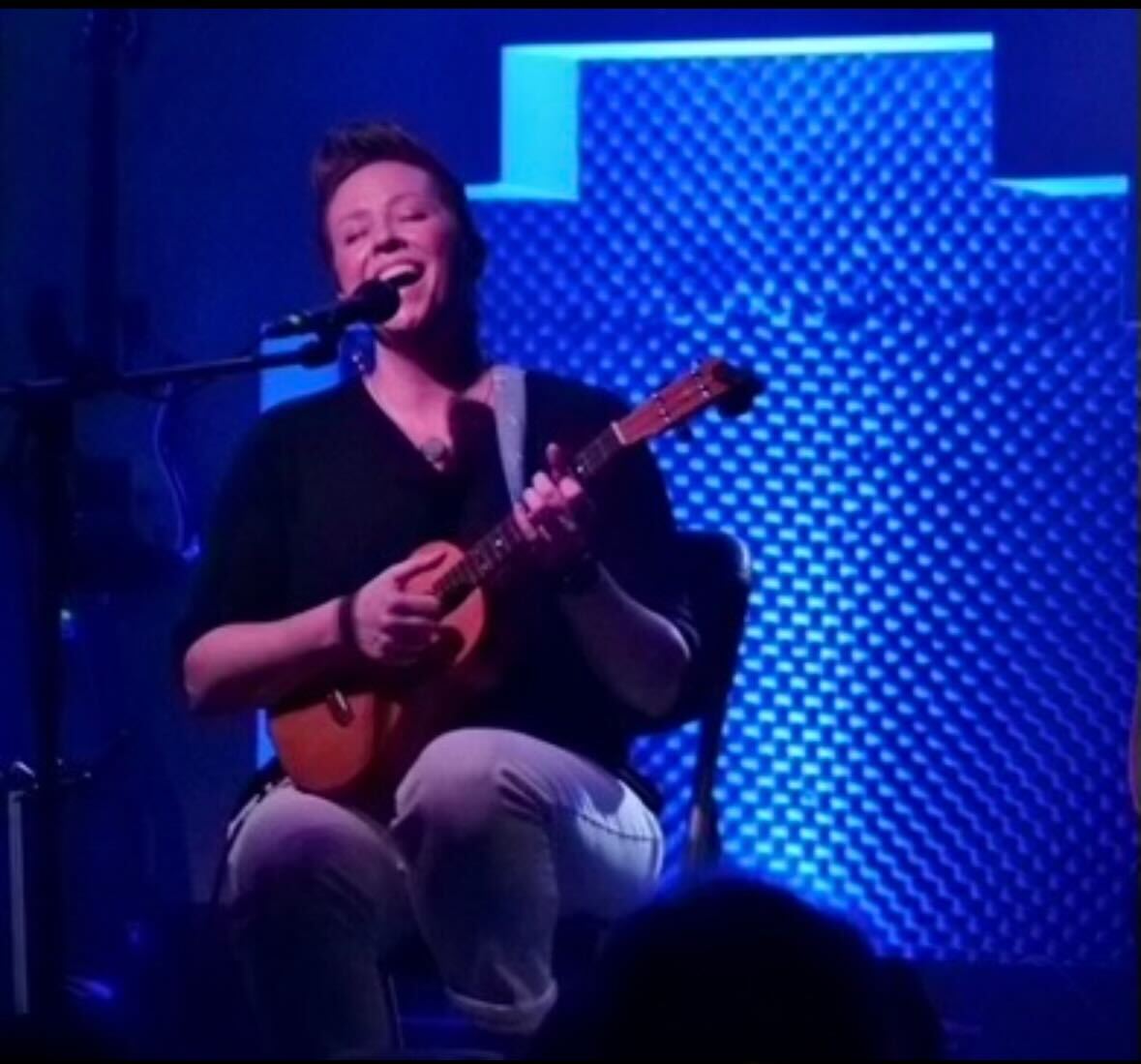
Carolyn Phillips, an assistant professor at UT’s School of Nursing and someone who has been living with MS for about five years, works to implement an additional type of therapy for this condition: music. The Daily Texan spoke with Phillips about her research interests, experience, and the establishment of her new intensive, Music-4-MS.
The Daily Texan: Could explain the type of research that you do and the specific project that you’re working on right now?
Carolyn Phillips: My research looks at the impact of music on health, and I do that in a variety of different ways … I created an intervention called Storytelling Through Music, which is an expressive writing intervention where people tell their stories in grief and trauma… I pair them with a songwriter who turns their story into a song…That work started with oncology nurses, helping them process the loss of the patients they cared for … and I’m getting ready to apply it (to) the population with neurodegenerative conditions…Now, I’m doing Music-4-MS, which is … a music learning intervention, teaching people who have cognitive impairment how to play the ukulele.
DT: What is Music-4-MS?
CP: (Music-4-MS is) a 12-week video series. We spent this past summer creating the video series. We had a human and music learning expert …, a music therapist on the team who created all of the videos. And (there are) cognitive neuroscientists and nurse scientists all weighing in on how to create this video series. There are multiple 2-5 minute video series, so over the course of each week, (participants) progressively learn skills.
DT: How does your personal experience with MS affect the way you conduct this program?
CP: It definitely helps me ask better questions. I know that I have insight because I’m living the experience, so I’m definitely able to explain, especially when it comes to the cognitive load of learning … I always felt like my brain was expansive, where I could just learn what I wanted to learn, and I just applied myself and that’s all it took. Now, it’s different. I do have to pace myself differently … (and) it does help me think about how we’re pacing things differently with people.
DT: Where did your interest in the intersection of music and healthcare come from?
CP: In general, the intersection of music and health started with me personally experiencing what it’s like to hear your own personal story put to music … (Songwriters) are used to that experience of telling their story through music, but for someone who’s never experienced that … , singing your story impacts your brain in ways that no other modality can; it touches all parts of the brain and helps you feel more deeply and move through experiences.
DT: What are the overall goals of the 12-week series beyond patient participation?
CP: Ultimately, the goal is to improve the lives of people living with MS, and that really is what grounds my research. But, it’s also showing that there is a place for music and art in health care, and that it’s a missed modality when we’re not bringing that in as one of our tools … By giving (people with MS) this platform and learning these songs, they engage with friends and family in different ways. … I’m thinking about those individuals that I’ve worked one-on-one with … , and that keeps me going.