The University has not announced whether it will remove the statue of a late civil rights icon, following allegations of sexual misconduct reported by The New York Times on March 18.
The statue depicts César Chávez, a national labor rights activist who founded the United Farm Workers and helped organize the Delano grape strike that forced growers to negotiate with farmers. Chávez died in 1993, and the statue is located between Battle Hall and the West Mall Office Building.
Chávez sexually abused women and girls close to him, including labor movement allies like Dolores Huerta, according to reporting by The New York Times. After the allegations were uncovered, city and state leaders called for the renaming of Cesar Chavez Street, and Austin ISD said it would not celebrate Cesar Chavez Day, which is on March 31, but it would continue to recognize Dolores Huerta Day.
A University spokesperson said UT has nothing else to add about the statue’s future at the time of publication.
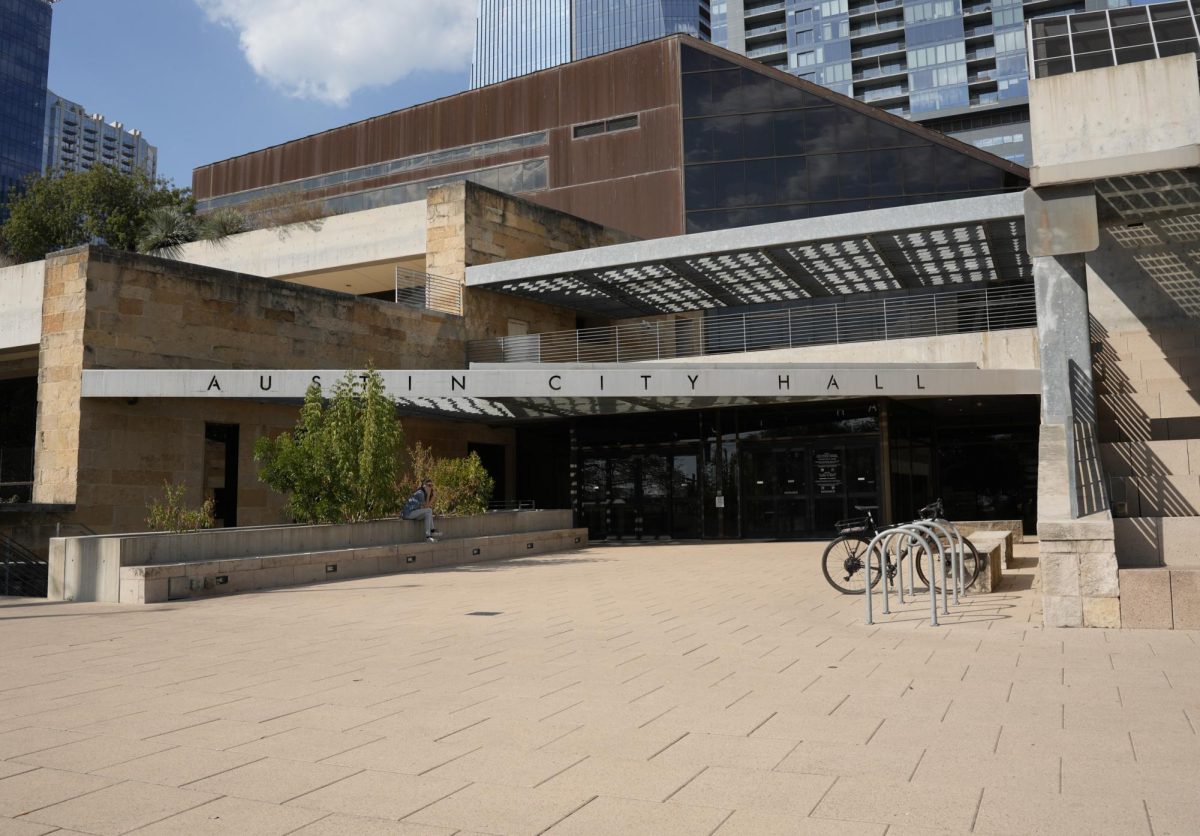
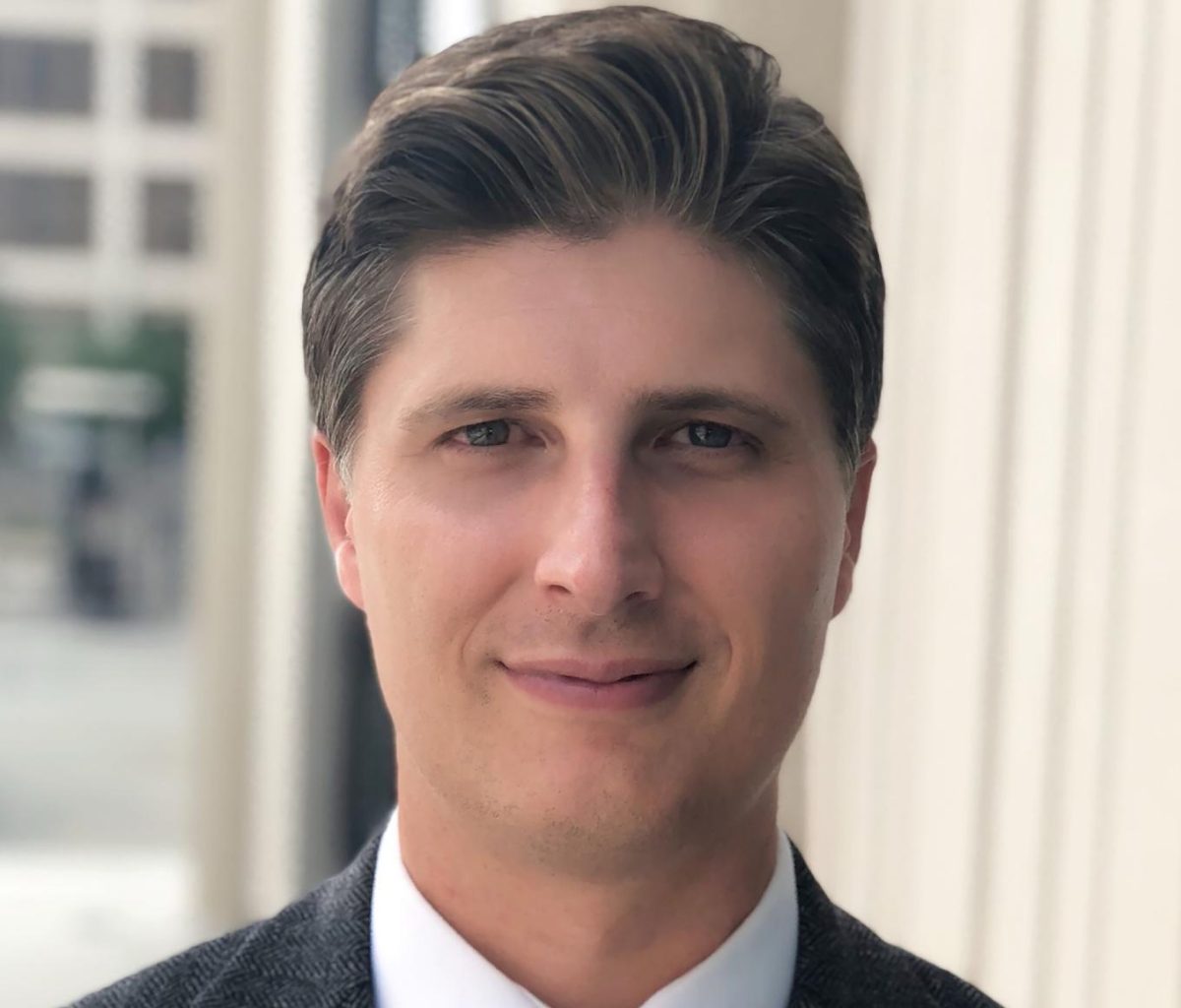
City Council member Zohaib “Zo” Qadri, who represents UT and West Campus, supports removing or replacing the César Chávez statue on campus. Qadri also said some council members are drafting plans to rename Cesar Chavez Street and are seeking community input on a new name.
“There’s absolutely no reason for us to raise a platform or glorify or honor an abuser, especially when there (were) countless other folks who gave their blood, sweat and tears to the movement,” Qadri said.
Council member Vanessa Fuentes wrote in an email that she is also in favor of renaming Cesar Chavez Street.
“Honoring a legacy means holding it to the highest standard possible, and by renaming Cesar Chavez St, we can show that our values as a city are bigger than any one person,” Fuentes wrote.
However, not everyone wants to see Chávez’s legacy removed so quickly. Bertha Rendon Ortiz, founder of Arte Texas, an organization that painted a mural of Chávez in East Austin that was covered up last week, said the Mexican community has not been given enough time to heal to make all these changes.
“We’re still healing, and you move so (quickly), within a week’s time,” Rendon Ortiz said. “It doesn’t show that you want to be a part of the community. It doesn’t show that you respect our culture.”
Karma Chávez, a professor and department chair of Mexican American and Latina/o Studies, said decisions about renaming streets and taking down statues should include the Chicano community and those affected by the allegations. Karma said she hopes future monuments represent the culture instead of depicting one person.
“Will we replace those statues with collective statues of farm workers, or monuments to farm workers, or will we just erase them altogether?” Karma said. “We need to have some real conversations about how we want our community represented and how we make sure that our community doesn’t get erased.”
Karma said she hopes Latino Studies at UT would be asked to be at the center of the conversation regarding the fate of the statue. She also hopes the labor rights movement can leverage the attention it has been receiving over the allegations.
“I hope that we can use this as an opportunity to draw attention to those ongoing struggles, and so that we can continue to fight for the rights of workers in this country, no matter what our own employment happens to be,” Karma said.