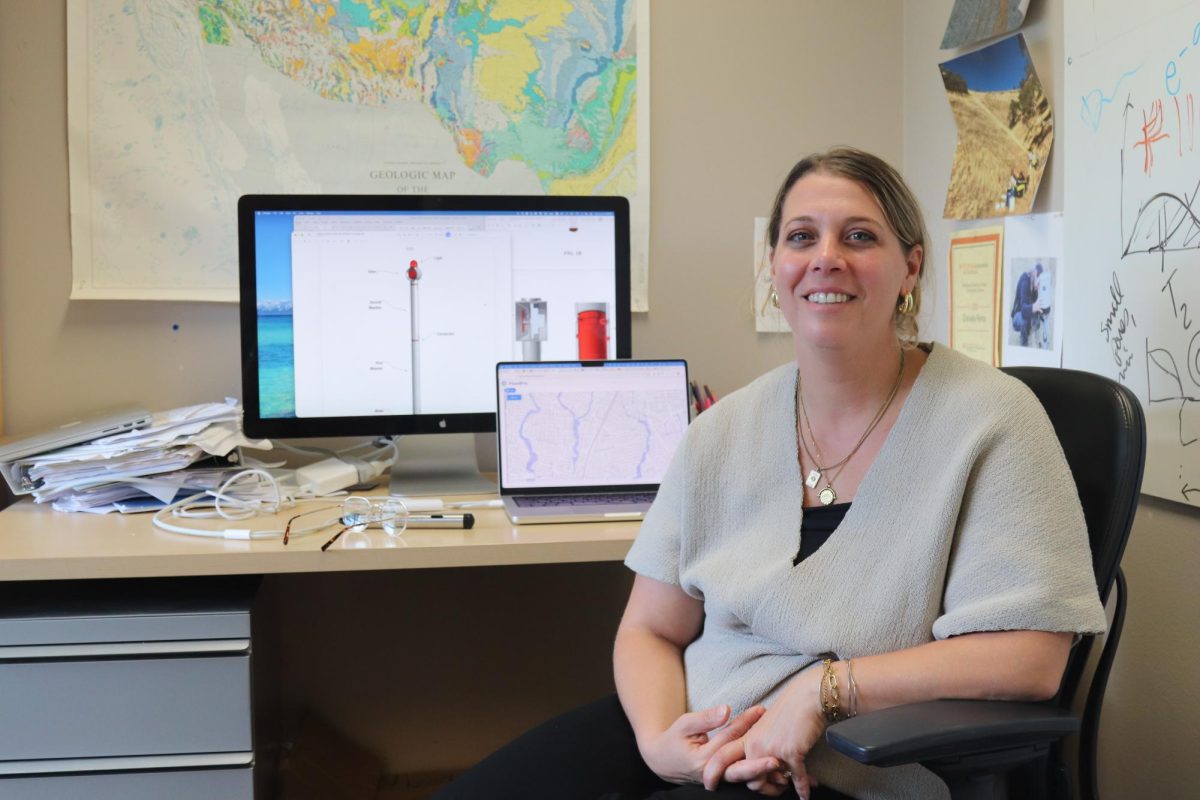
A University professor co-developed a digital tool that showed lasting results in combating depression, according to a study published March 2.
Finding Focus is a digital program that seeks to teach users attentional and emotional regulation strategies. Divided into two parts, it has a 10-module, 80-minute-long course, where users watch videos that introduce focusing strategies, and a “Focus Coach,” a tool to help users focus on a task for set intervals.
Alissa Mrazek, assistant research professor of psychology at UT, co-founded Finding Focus nine years ago, and has been working on the program since. She said she was skeptical when she submitted Finding Focus to the study because of the short amount of time participants would interact with the program.
The study compared 12 digital interventions for mental health, including Finding Focus, by having developers submit a shortened, 10-minute version of their programs.
“We were shocked and elated,” Mrazek said. “If someone is just interacting in their own way, at home, with a 10-minute intervention that you create, it’s really hard to know exactly how deeply they’re processing the content, (and) how much they’re really taking it to heart.”
The study surveyed around 7,500 participants to assess their depression severity and assigned them randomly to an intervention. After completing the intervention, researchers surveyed participants twice, once right after completing the intervention, and then again four weeks after.
Of the twelve interventions tested, Finding Focus was one of two that reduced depression at the four-week mark, the study found.
Benji Kaveladze, the postdoctoral researcher at Dartmouth College who led the study, said the goal of the study was to learn how to best improve mental health in under ten minutes. He said that because Finding Focus’s module encouraged participants to build up one specific skill, the intervention was more engaging.
“They really focus on the skill and implementing that skill in your life,” Kaveladze said.
Kaveladze said interventions offer an accessible form of mental health support to people who may not be able to undergo traditional therapy and that interventions can supplement therapy.
Mrazek said that Finding Focus began as she was interested in the benefits of mindfulness, and a growing body of work was showing its different applications. She said Finding Focus has since expanded to be implemented in K–12 schools, with teachers reaching out to Mrazek about introducing students to the modules.
“It’s pretty unusual, but rewarding to have been working on a project for so long that is actually now out in the world and helping people,” Mrazek said. “That’s really the core motivation behind all my work.”
Mrazek said she hopes Finding Focus will grow more partnerships in the future.
“That would really help the growth and scalability of this program,” Mrazek said. “What we hope to do is partner with an organization that has … connections with districts all over the country.”