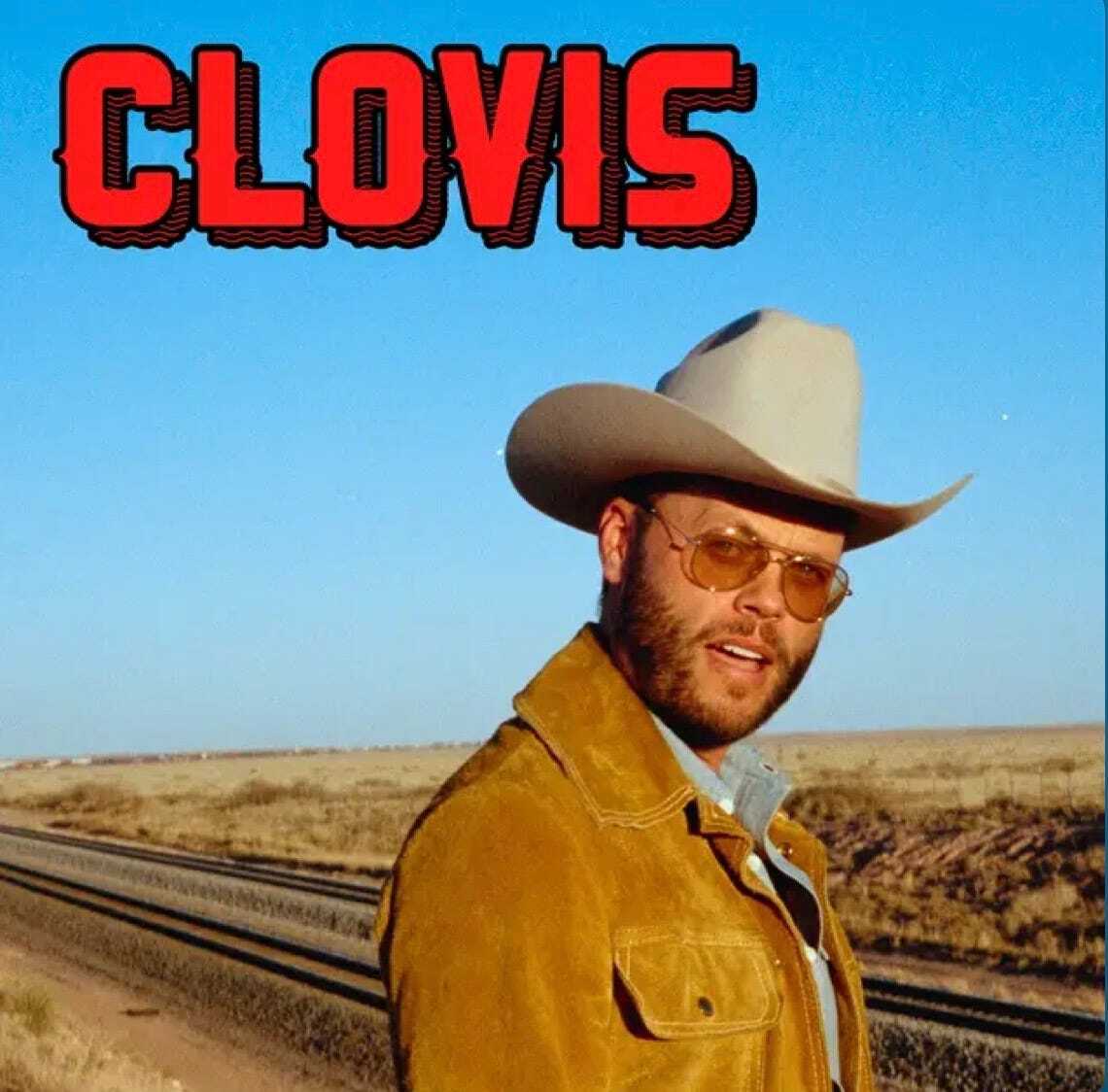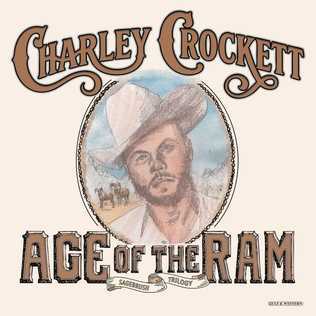
From nonstop allusions invoking legendary outlaws to spliced-in soundbites that conjure spaghetti westerns, Charley Crockett’s Age of the Ram draws on the same mythology that inspired Austin’s outlaw movement in the 1970s. While laymen might read pastiche, a closer analysis reveals a heavy dose of authenticity woven into tall tales of gunslinging and cattle rustling.
Age of the Ram concludes the story of Billy McLane, a character Crockett introduced on 2024’s $10 Cowboy. Named after the “cowboy that never was thrown” from a 1963 Marty Robbins tune called “Old Red,” Crockett’s protagonist follows an arc heavily inspired by Paul Newman and Robert Redford’s characters in “Butch Cassidy and the Sundance Kid.” Whereas previous Sagebrush Trilogy installments Lonesome Drifter and Dollar a Day gave a vague impression of McLane, the new 20 track album shoots for a level of narrative and aesthetic conceptuality à la Willie Nelson’s Red Headed Stranger.
“Something I never really found out until I got done with Age of the Ram is how much he also is blending this fictional western character in with his own life,” Crockett said. “When you see Willie Nelson and you look at that title, they’re one in the same.”
Crockett, now 42, has been a busking nomad, an interstate weed smuggler, a white-collar criminal and now, a proud dime-store cowboy ($10, adjusted for inflation). At times, Crockett’s wild past makes it hard to tell where legend ends and autobiography begins in his music. Age of the Ram, named for Crockett’s birth sign of Aries, uses allusions to the mythological West to further blur that line.
Crockett name-checks Jesse James and Pat Garrett, invokes Larry McMurtry’s “Lonesome Dove” saga and laces the tracklist with tributes to Jimmy Buffet’s soundtrack in 1975 cult western, “Rancho Deluxe.” On anthemic frontier thumper “Fastest Gun Alive,” he sings, “Never been to heaven / But I’ve had one foot in hell / Spent my share of nights in the county jail,” which might have come from media or from memory. There’s a thrill in not knowing.
“Those Albuquerque lights sold him his fortune / Out at Four Corners he got away,” Crockett drawls on “Billy McLane.” “Sometimes the truth, boys, is stranger than fiction / In the life and times of Billy McLane.”
As the trilogy comes to an end, Crockett’s lyrics take a retrospective turn. Between weary laments of life on the run and nostalgia for what once was, the outlaw knows his time is up; “Law man / I’m ready / Law man / Come and get me,” he croons before one last trip to the saloon on “Diamond Belle (Country Boy).”
Beneath Crockett’s familiar pastoral twang, an extra splash of vocal soul and intermittent organ infusions give the sendoff a gospel breadth befitting a Western hero. Bidding farewell to McLane simultaneously closes a chapter of Crockett’s career—perhaps the finest chapter to date.
“I’m trying to paint you a picture,” he confesses as McLane fades into the sunset on “Cover My Trail Tonight.” “But there’s been quite a mixture of honesty and fiction, tell it straight.”
4 Lonesome Doves out of 5