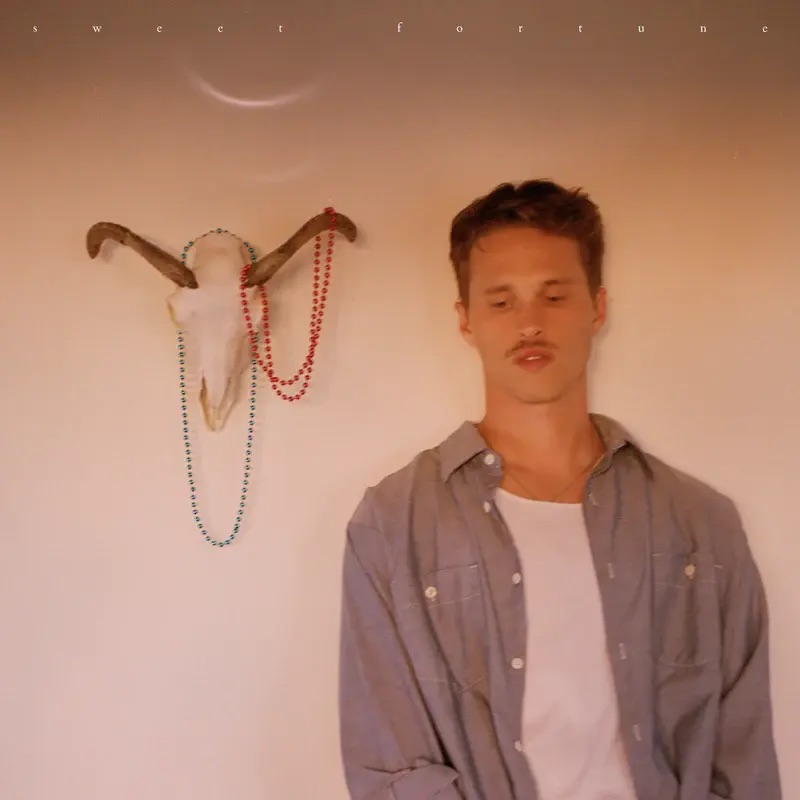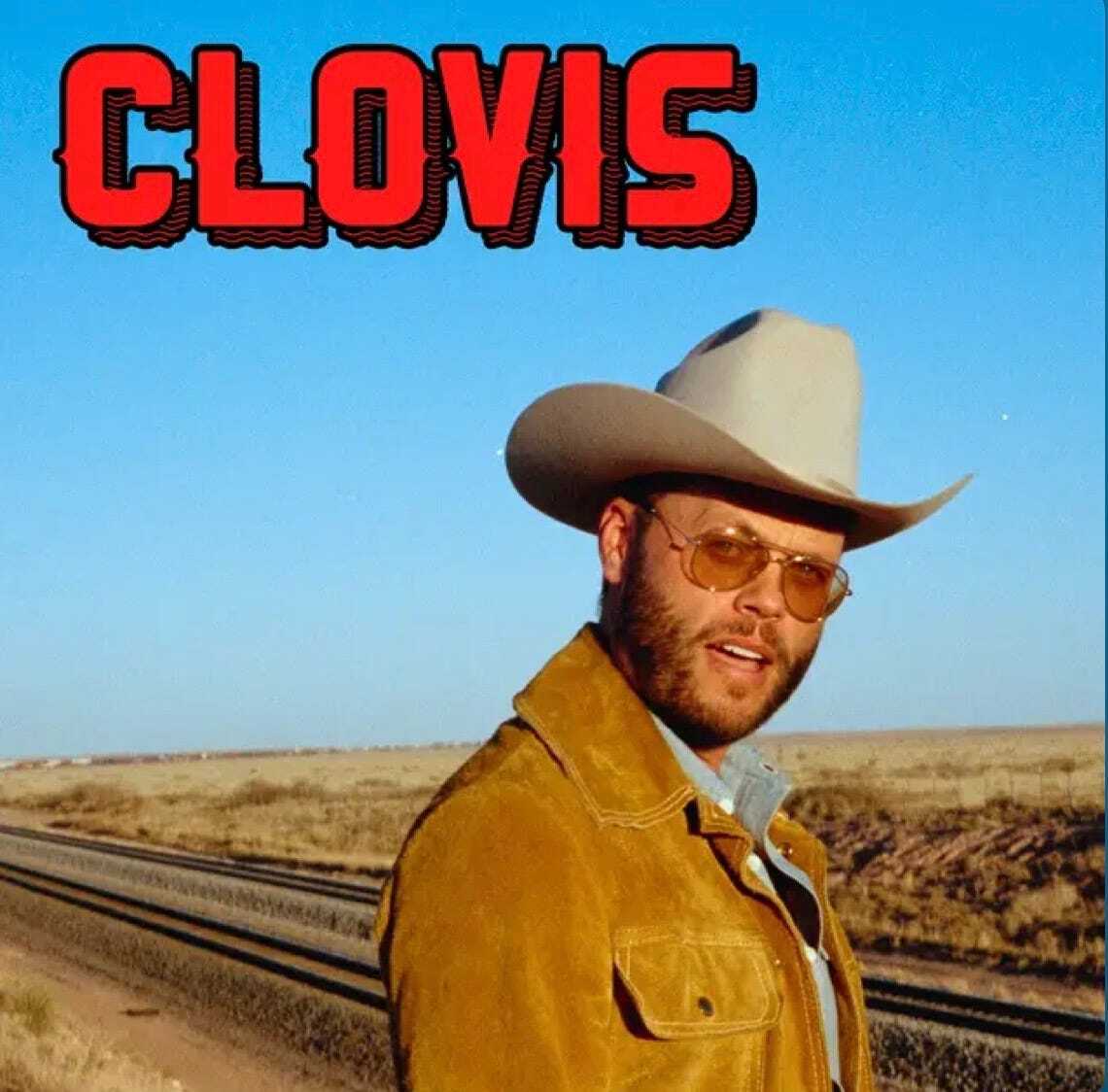
Very few contemporary country artists move as relentlessly as Charley Crockett. Releasing 17 studio albums since 2015, Crockett has built a career on ever-evolving songwriting. Only three weeks after his 16th studio album, Age of the Ram, Crockett surprise-dropped Clovis in late April. Days later, the album vanished from streaming services due to a legal battle surrounding its release, leaving fans speculating about the brief release and wondering when, or if, the songs would return.
On July 3, Clovis reemerged, giving listeners another chance to hear an album that proves Crockett’s relentless output has yet to come at the expense of his artistry.
Recorded at the historic Norman Petty Studios in Clovis, New Mexico, the beautifully written 14-track record trades some of the outlaw mythology of Age of the Ram for a more intimate kind of storytelling. Crockett leans into warm country arrangements, incorporating weathered guitars, pedal steel and understated production to do much of the emotional heavy lifting. Crockett incorporates a hint of folk in the instrumentals; however, it is the songwriting that holds this record to a different level than his others.
In just under 55 minutes, Crockett delivers a remarkably cohesive listening experience, punctuated by a single western-inspired instrumental. Though Clovis never strays too far from the original country feel that has defined Crockett’s discography, its cowboys and highways read less like myth and more like autobiography. It is the distance between Crockett and his characters that truly begins to collapse here, revealing something far more personal to listeners.
The opening track, “The Hallelujah Trail,” immediately sets the precedent for the album’s restless spirit. Through sweeping guitars and a cinematic western arrangement, Crockett introduces listeners to a world of legends and ghost stories, singing, “Quantro and Cholla, the best of friends / Quantro died, but then he came back again / A fabled story, away out west / He rides forever, no fear of death.” This song captures Crockett’s fascination with the way stories outlive the people who create them.
Crockett shows vulnerability in other tracks like “Image of a Woman,” where he exchanges the outlaw persona for a quieter reflection. “I’ve been looking for myself / Whoever that is,” he admits in one of the album’s most simple but most revealing lines. On “One Eyed Jack,” however, the record embraces blues influence, underscoring Crockett’s exploration of betrayal and trust.
Though Clovis occasionally settles into familiar territory, its strongest moments come when Crockett showcases a refined version of the sound he has spent years building. Despite initial intrigue owing to the album’s unusual release, its lasting significance lies in the music and songwriting themselves. As he sings on “Waylon Rides Again,” “I’ve been fenced in, sold off, played out / And left for dead boys, there isn’t any doubt / That’s alright / That’s alright, my friend.” Like the legends that populate his songs, Crockett keeps riding forward.
4 Tall Tales out of 5