The confetti from Michigan’s national title was still on the plywood when phones started buzzing.
Early on April 7, the college basketball transfer portal opened, and within 24 hours, more than 1,000 Division I players had entered their names. The rosters built overnight were seemingly gone in a flood of Name, Image and Likeness negotiations and agent group chats.
This is college basketball in 2026. Maintaining relationships with players is gone, and everybody is looking for the bigger dollar sign. This new era ushers in chaos, results in undeveloped relationships and sees success in teams built through the transfer portal that are often only together for a single season.
Programs are now benchmarking over $10 million dollars to build a top-25 roster. Kansas State junior guard PJ Haggerty, who averaged over 23 points a game this season, is entering the portal for the fifth time in his college career. Former Kansas sophomore center Flory Bidunga is valued at $2.1 million on the open market. Coaches spend more time in the offseason fighting bidding wars than drawing plays.
Now, let’s narrow in on Texas men’s basketball. For two days, the Longhorns survived the chaos. But on day three, sophomore forward Nic Codie became the roster’s first departure. It was not a surprise. After spending two years in Austin, he struggled to break into the rotation until the end of the season. Hours later, junior forward Camden Heide announced his departure. With one season on the 40 acres under their belts, more rotation players decided to move on.
But that’s how it works. Players who fit stay. Players who don’t move on. The problem is that at mid-tier programs, it goes the other way — the ones who matter leave, and the ones who remain are those who couldn’t get a better offer.
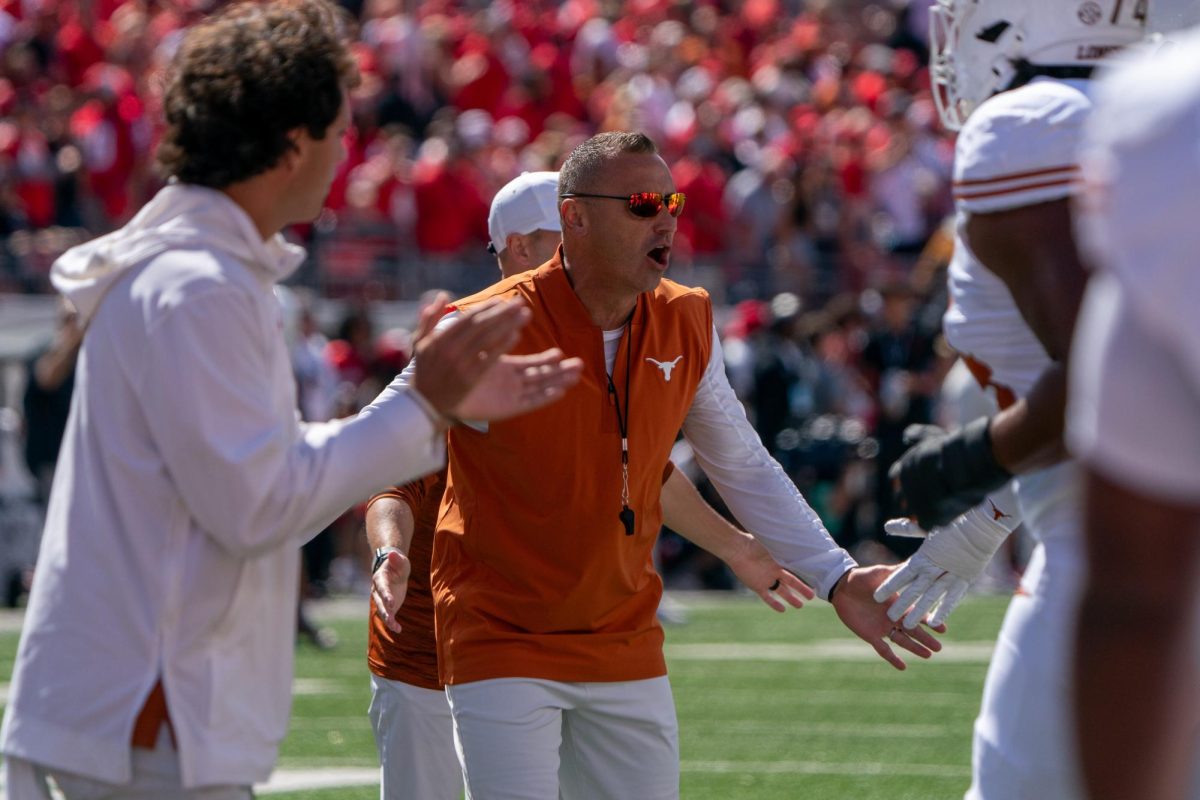
Texas is not like most programs. Head coach Sean Miller is building something that looks increasingly like what Michigan head coach Dusty May just finished.
May took Michigan from 8-24 to national champions in two seasons, deploying the first all-transfer starting five in the history of the sport and proving that a quick turnaround is possible when recruiting the right people.
“Dusty doesn’t like guys who don’t want to work hard, who have bad body language, who don’t care about winning,” Michigan assistant coach Mike Boynton Jr. said. “And there’s a lot of guys that are just chasing the most money.”
That is what separates building a roster versus assembling a team. Money can do the former, but coaching does the latter.
Miller understands this as well as anyone in the sport, as he is now entering year two in Austin. He took a Texas program in disarray and turned an 11-seed with all kinds of regular-season problems into a possession away from the Elite 8.
The foundation was built. Now, it’s time to construct.
“If you come to the University of Texas, you have a chance to play for the top prize on the biggest stage,” Miller said. “I mean, that’s what March does. It gives you credibility, and you can talk around it, but until you’re in it and advance, you don’t understand the difference. And that’s what we want, to build a program that continually can get to March and play their best to advance.”
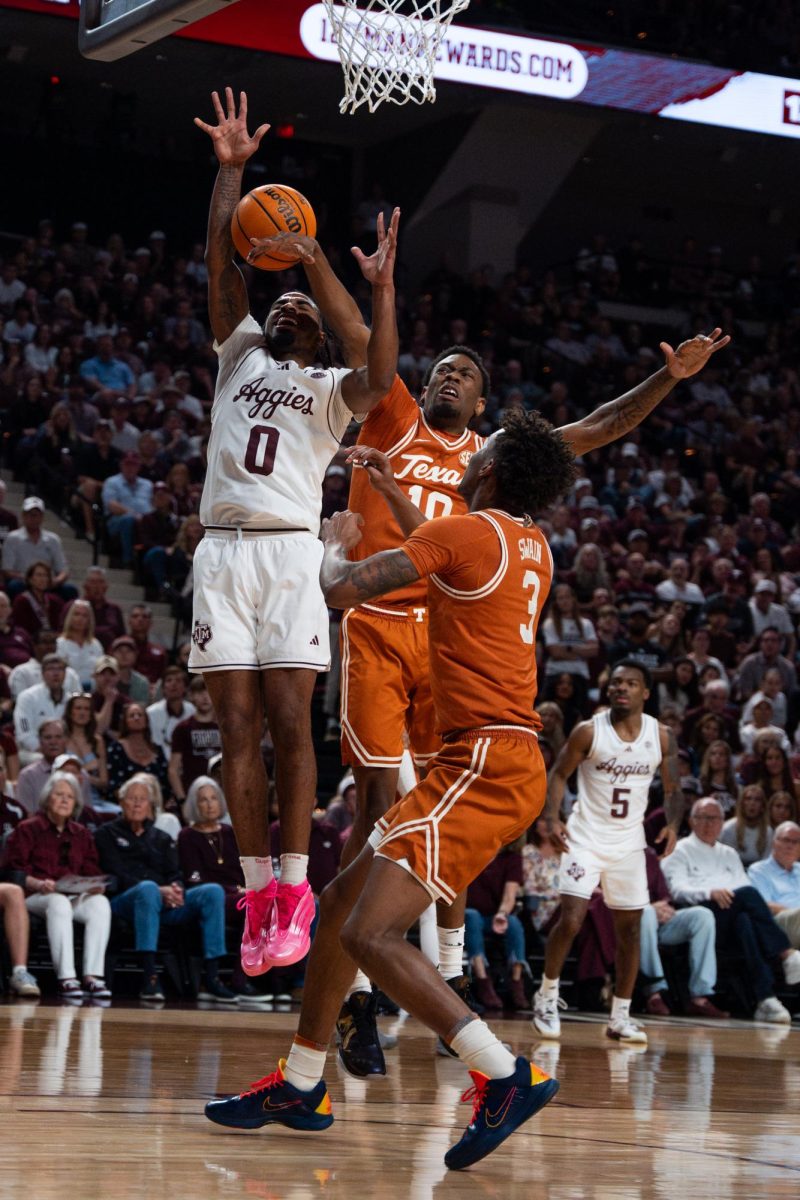
That credibility is now Miller’s most valuable recruiting tool. Junior guard Dailyn Swain, who led Texas in points, rebounds, assists and steals has declared for the NBA Draft but retains the rights to return until May 27. If he decides to come back and Texas picks up a couple big guys in the portal, the Longhorns could be dangerous come next March.
But for now, the portal will keep churning. Somewhere in the chaos, the right coaches will build the best teams. May just proved it.
Miller is next in line to try.