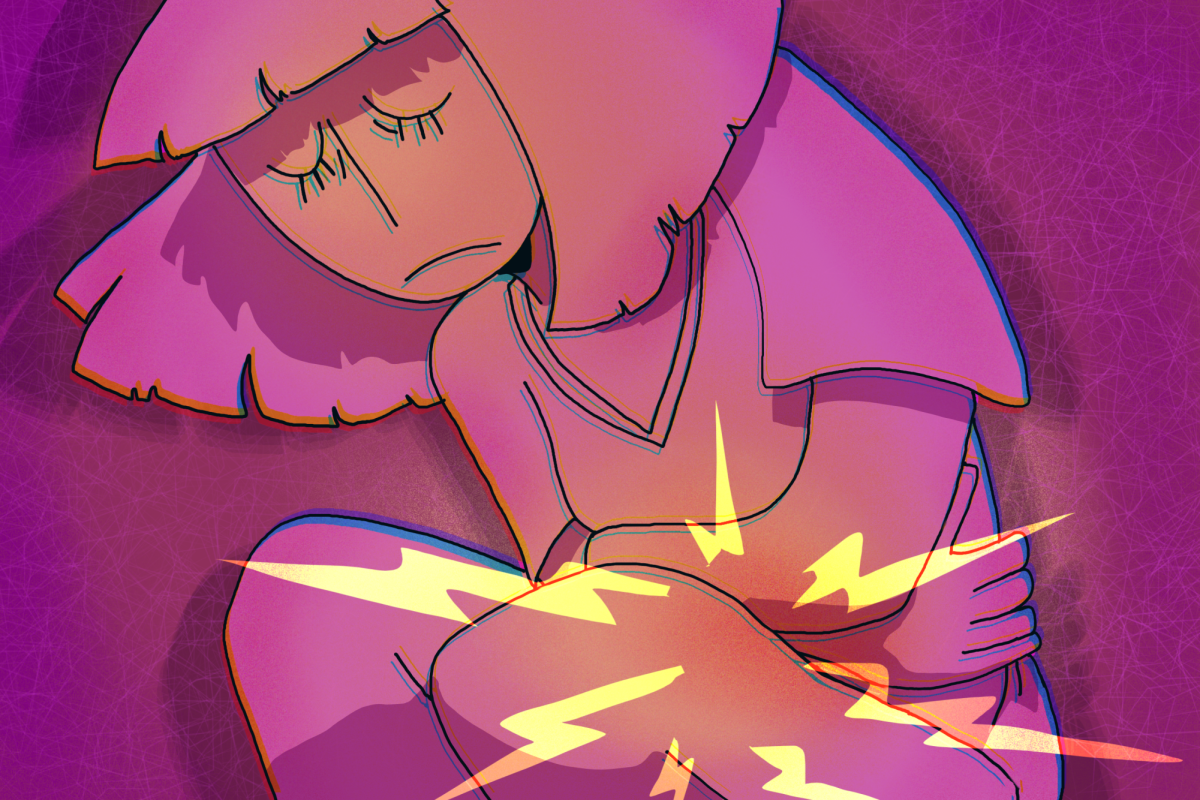
Women’s pain has a long history of being belittled, ignored and undertreated in the United States.
Access to pain relief has been heavily racialized and classed, eugenic thinking has guided who is deserving of medical treatment and gynecology is founded in the exploitation of enslaved women’s bodies. Depending on their identity, women have been treated as hysterical or subhuman when seeking relief from their pain.
Today, women still feel more pain than men, largely due to historic gender, race and class disparities. What’s changed, arguably, is how women are told to view their own pain.
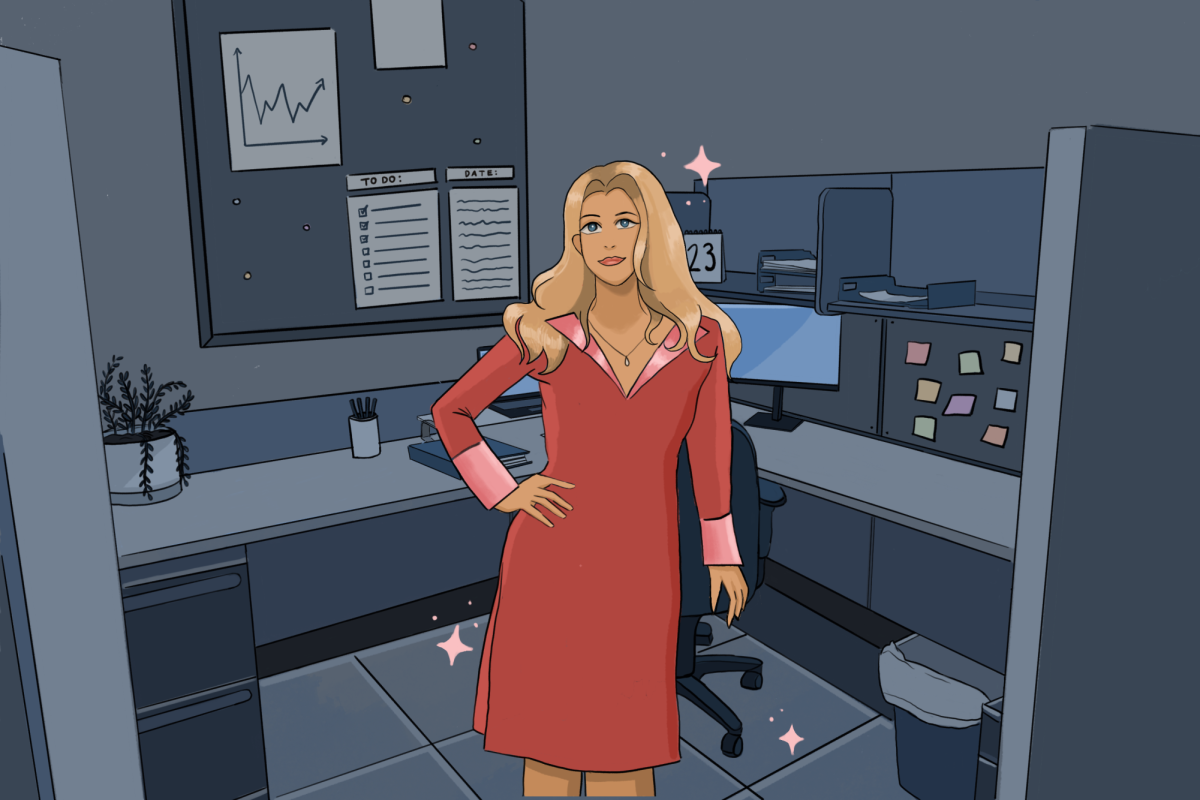
Recently, the rhetoric surrounding women’s pain has taken a different turn. With rising conservative social movements such as MAHA, pronatalism and trad life, women’s pain is treated as a precondition for true femininity. Enduring pain, especially sex-specific, becomes something beautiful and natural. Women who deny pain relief are afforded superiority over those who supposedly give in to the poisonous myths perpetuated by “big pharma.”
While romanticizing pain can foster community among individuals with similar experiences, encouraging women to endure can have significant negative consequences.
Keerti Koya, statistics and data science freshman, loves being a woman. However, she acknowledges social and cultural expectations have made dealing with her own pain frustrating.
“Since so many people face (menstrual cramps), you’re told it’s normal,” Koya said. “Drink water, do exercise. People come at these issues with a one-size-fits-all perspective where one or two things, since they’ve helped someone before, are gonna help everyone.”
While it can initially appear to be celebrating the strength of women, this rhetoric normalizes pain as a condition of womanhood, masks structural injustices and promotes stagnation over addressing the systemic roots of women’s pain.
Lina-Maria Murillo, professor of women’s and gender studies specializing in reproductive justice, worries about how these conservative movements serve as social grooming mechanisms, encouraging people to accept their pain rather than challenge it.
“Things that are actually systemic, … social and cultural ways of framing how women specifically are meant to interpret their own bodily discomfort (are) then individualized,” Murillo said. “The individual is like, ‘There must be something wrong with me because I’m not responding in the way that I’ve been told I need to respond. It must be me, I must be wrong.’ That … American sense of individuality can go both ways. It can be liberatory, but also it can (hide) and often (justify) systemic, cultural and social norms detrimental to women.”
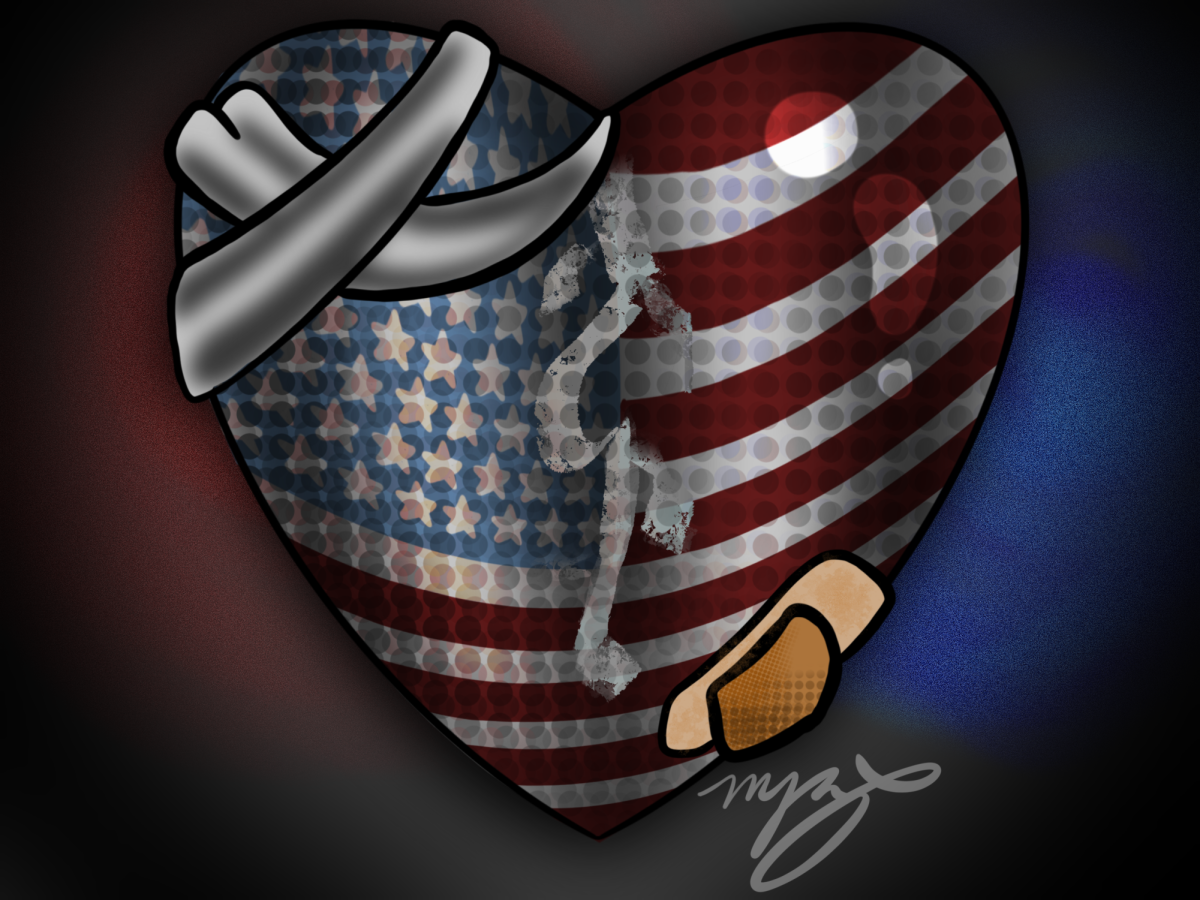
The reality of reproductive healthcare in the U.S. seems bleak. Abortion is banned in 13 states, more than 19 million women of reproductive age are living in contraceptive deserts and our maternal mortality rate is the highest among high-income countries, and rising.
Simultaneously, women are made to fear the medical interventions that could provide relief from sex-specific pain. Online rhetoric pushed by conservative movements has stoked fears that taking Tylenol during pregnancy might cause autism in unborn children, or using hormonal birth control to manage their menstrual cycle might negatively impact their future fertility.
There’s little scientific evidence to support these claims, but this anxiety has been leveraged to manipulate women into accepting unacceptable, and often treatable, levels of pain.
“We’re going to see a lot of gaslighting of people’s real pain and a lot of people experiencing needless pain,” Murillo said.
Women continuing to deny themselves legitimate medical intervention due to rhetoric that misrepresents the reality of their pain signals that it results from individual weakness rather than a history of systemic barriers. Solutions to these treatment discrepancies are within reach, but pushing for them isn’t ideologically convenient for conservative movements that benefit from women’s discomfort and silence.
Romanticizing pain can be a slippery slope. Avoiding pain relief might be the most natural way of being, but that challenges what else is considered “natural.” Foregoing medication, traditional gender roles and women’s childbearing duty may all arguably be natural; that’s the ideology that these conservative movements seek to normalize. While avoiding pain relief seems innocent and personal, it’s a gateway to a much more dangerous reality.
What’s most natural isn’t always what’s best, especially if it means that women have to endure significant levels of pain to fit themselves into an arbitrary definition of womanhood. We must remember that these supposedly unnatural medical interventions give people the opportunity to live.
Enduring pain isn’t beautiful, special or feminine; it’s often treatable, unfortunately ordinary and rooted in a horrific history. Today, more women are insisting that their pain be taken seriously by healthcare professionals, for procedures ranging from birth control implantation to cesarean sections, but there’s a long way to go before justice is achieved. Women must continue to advocate for themselves and their pain — or risk having no option but to endure.
Tuscano is a government sophomore from Round Rock, Texas.