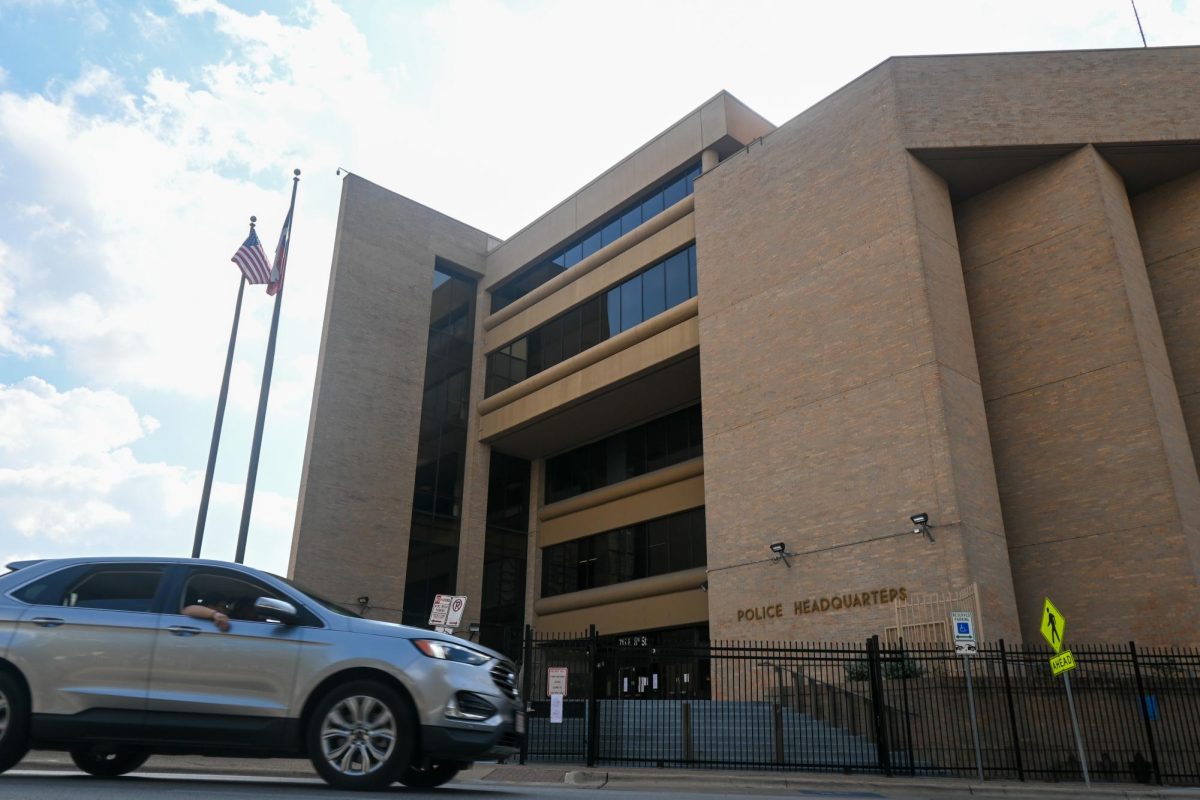
The Austin Police Department will introduce officers to respond to “lower-priority” calls as a part of a limited pilot program starting this month, according to an email by a department spokesperson.
The community service officers are non-sworn employees who are not certified by the Texas Commission on Law Enforcement, an agency that sets ethical standards for police, the spokesperson wrote. The officers will respond to non-emergency calls, including for found or abandoned property, disabled or abandoned vehicles and non-injury crashes not requiring a tow or enforcement action. They will also answer delayed burglary or theft reports where there is no suspect or evidence on scene, according to the spokesperson.
“The (Community Service Officer) pilot program is designed to … improve response times for emergency incidents, increase availability of sworn officers for active, high-priority calls, support crime prevention and community engagement efforts, and create a recruitment pathway for individuals interested in law enforcement careers,” the spokesperson wrote.
All community service officers will complete training with APD staff, but they will not perform full law enforcement actions, the spokesperson wrote.
“(Community service officers) will be equipped with radios and body-worn cameras and will wear uniforms clearly distinguishing them from sworn officers,” the spokesperson wrote.
The spokesperson wrote that APD is still in the hiring process for this initiative, and the pilot is not a citywide rollout. Starting this month, APD will only deploy two part-time community service officers in Northeast Austin for six months as part of the pilot, the spokesperson wrote. That pilot will be “carefully evaluated” to explore the possibility of expanding the program.
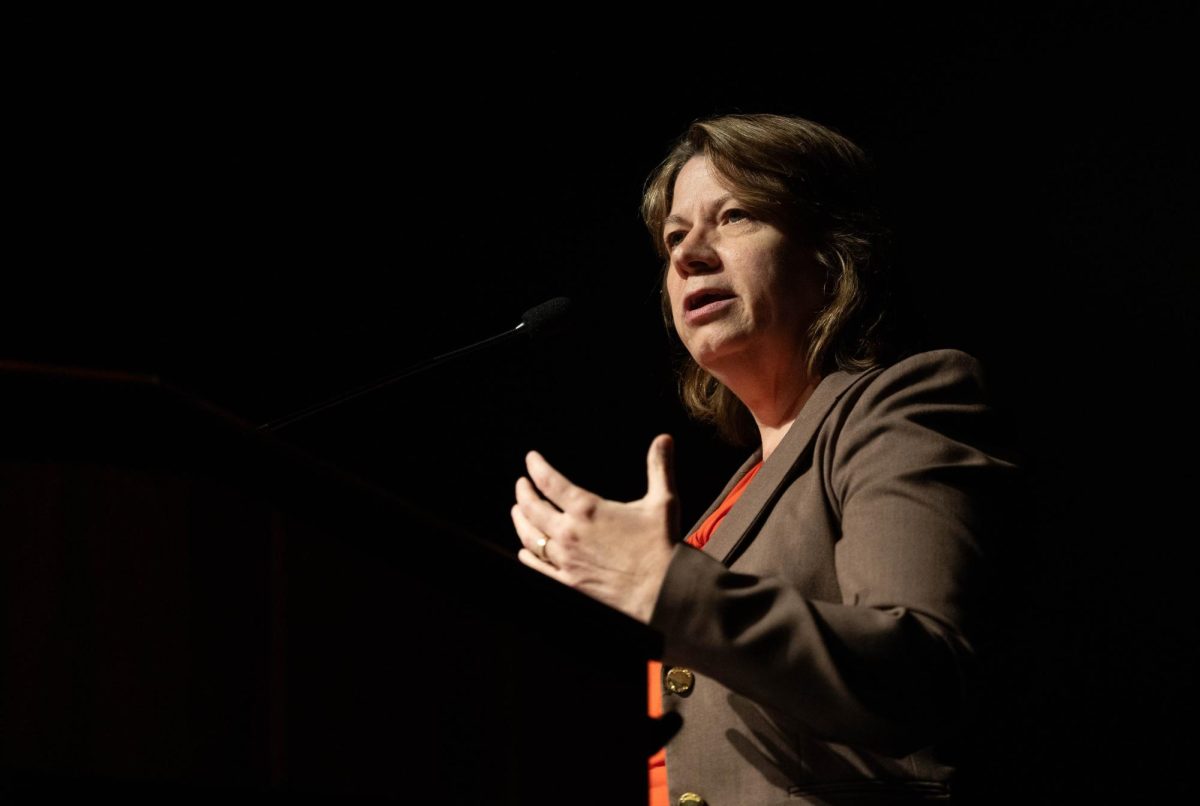
APD Assistant Chief Angie Jones said at the Austin Public Safety Committee meeting on April 6 that she hopes the program will better serve residents in need of help.
“I’m sure everyone here has received a phone call about calling APD and waiting for someone to show up on a low level call, and it took some time,” Jones said. “We’re hoping that this will be an opportunity for us to get someone there quicker and have a better response and better relations for our customers.”
As part of evaluating the successes from the program, APD will send surveys to community members who had contact with the officers to hear their thoughts on the service, according to the meeting.
“APD will monitor response times and service outcomes, gather input from community members and employees, and evaluate cost-effectiveness and operational impact,” the spokesperson wrote. “At the conclusion of the pilot, APD will present findings and recommendations regarding whether the program should continue, expand, or be modified.”
To become a peace officer, a person employed to enforce state laws, there is a 21-year-old age requirement that creates a gap from high school graduation for those interested in the field in Texas. Jones said this opportunity may not only close that gap, but also give younger officers more experience and broaden APD’s recruiting pipeline.
“We do have some applicants that might be a wonderful police officer,” Jones said. “They just need to have a little more experience under their belt first before they’re ready for this job.”