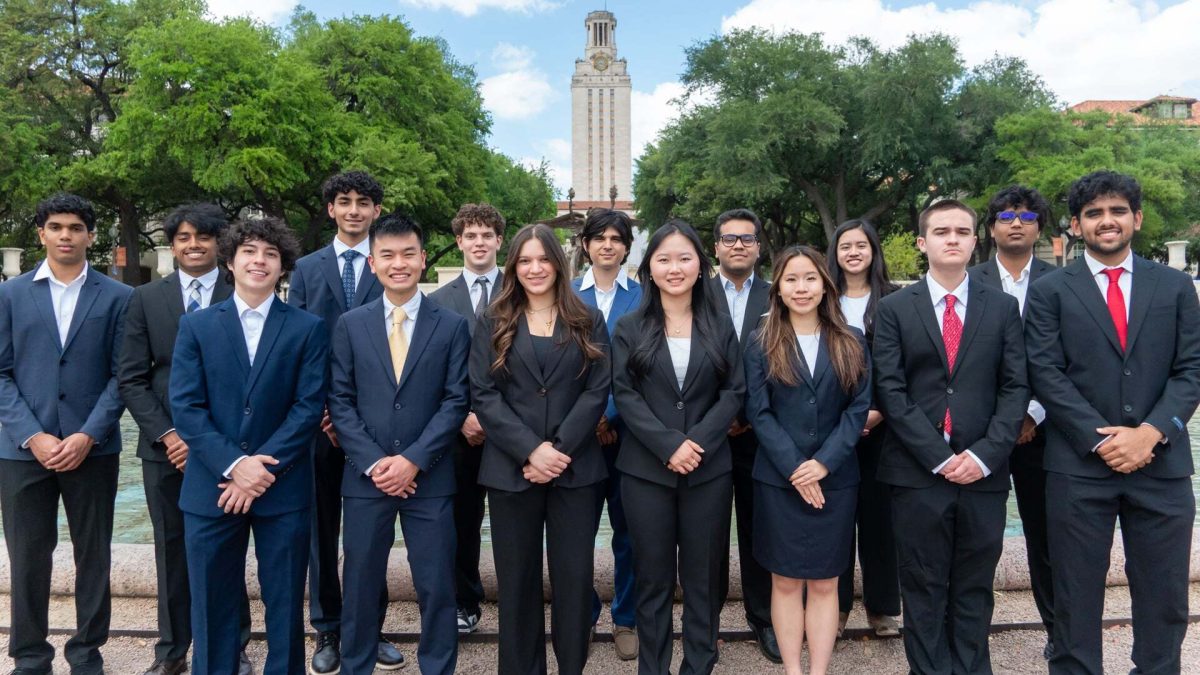
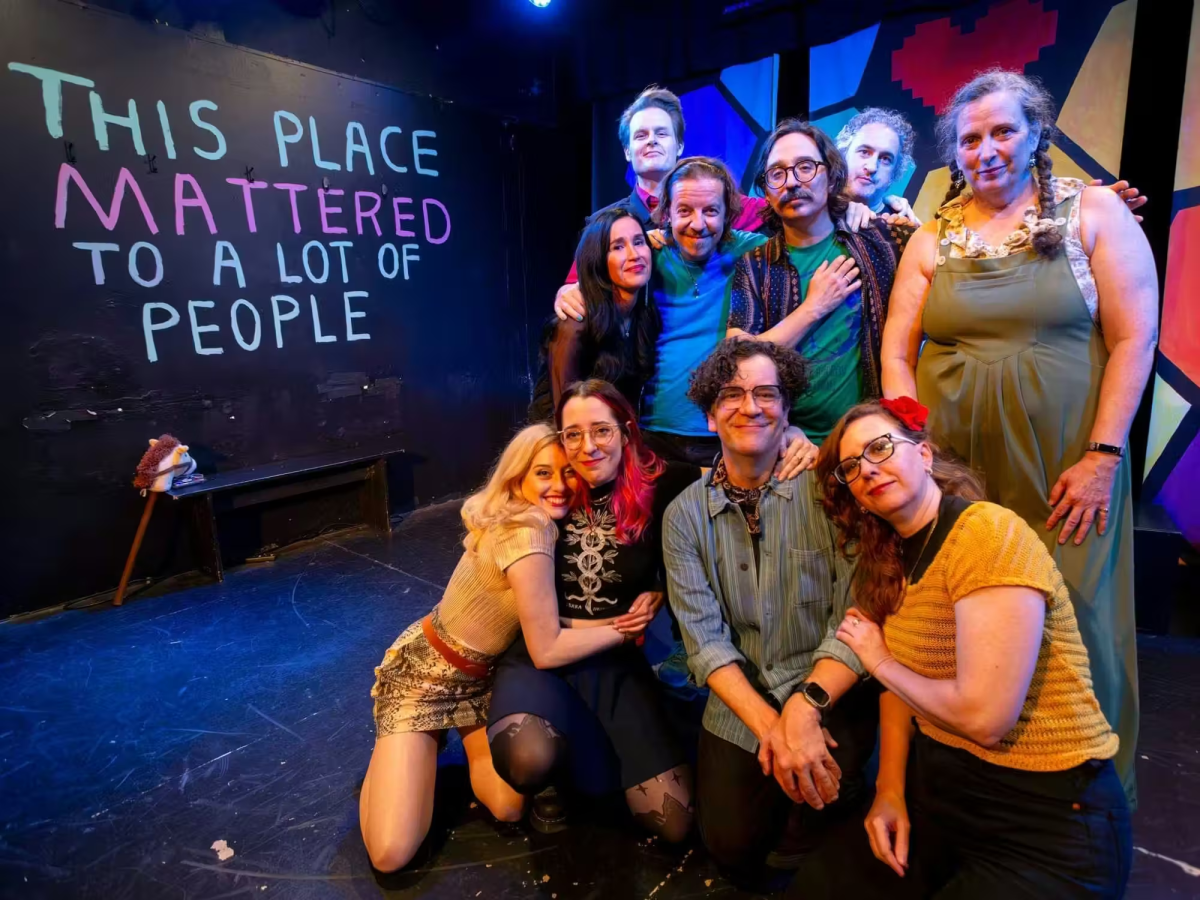
In hopes of destigmatizing mental health and addiction, and informing students about campus resources, Alchemind, a student organization founded in 2024, hosted harm reduction week from April 13-16. Kicking the week off with a myth vs. fact pop-up about harm reduction, the organization sponsored a Naloxone training and distribution drive, handing out over 400 doses of Narcan on Speedway.
“(Alchemind) blends education, advocacy and community in a way that really goes beyond any type of pre-health or academic club because a lot of our work is centered around meeting students where they’re at on campus and providing awareness about harm reduction resources and truly life-saving skills,” said Kritika Ramesh, neuroscience junior and founder and co-president of Alchemind.
After seeing mental health and addiction being heavily stigmatized on campus, Ramesh set out to solve the issue and said there were not a lot of resources surrounding peer-to-peer Naloxone training or harm reduction workshops.
“I think (harm reduction is) more successful when it comes from someone your age,” Ramesh said. “Because this is led by students and for students, I think we have a different perspective to connect with students and be able to approach this without a lens of stigma and without a lens of scrutiny.”
Last Monday, Alchemind hosted a myth vs. fact pop-up on Speedway, addressing common misconceptions about Narcan and stigmas associated with addiction.
“We just wanted to talk to students and see what (their) initial impressions or perceptions of Naloxone or opioids in general, or people who use opioids, or what an opioid overdose looks like,” said Neha Darimadugu, psychology and health and society junior and Harm Reduction Director.
Darimadugu said Alchemind hosted a Naloxone training developed by Communities for Recovery, a non-profit focused on addiction recovery, with changes to suit the audience.
“We adapted it to student needs and (made) sure students understand the more structural and sociological aspects of the drug, the individual, the context, in addition to everything else about Narcan and Naloxone and what it looks like and when to use it,” Darimadugu said.
Haven Servino, a freshman Alchemind member, said people close to her have been affected by harm reduction strategies, which are used by health professionals to help minimize negative consequences.
“It’s about not judging and instead giving the help you can because you know that these problems exist anyways,” Servino said. “We know that drug use does happen on campus and there are overdoses. Instead of shaming it … harm reduction would be giving out Narcan and providing education so that when it does happen, there (are) less negative effects.”