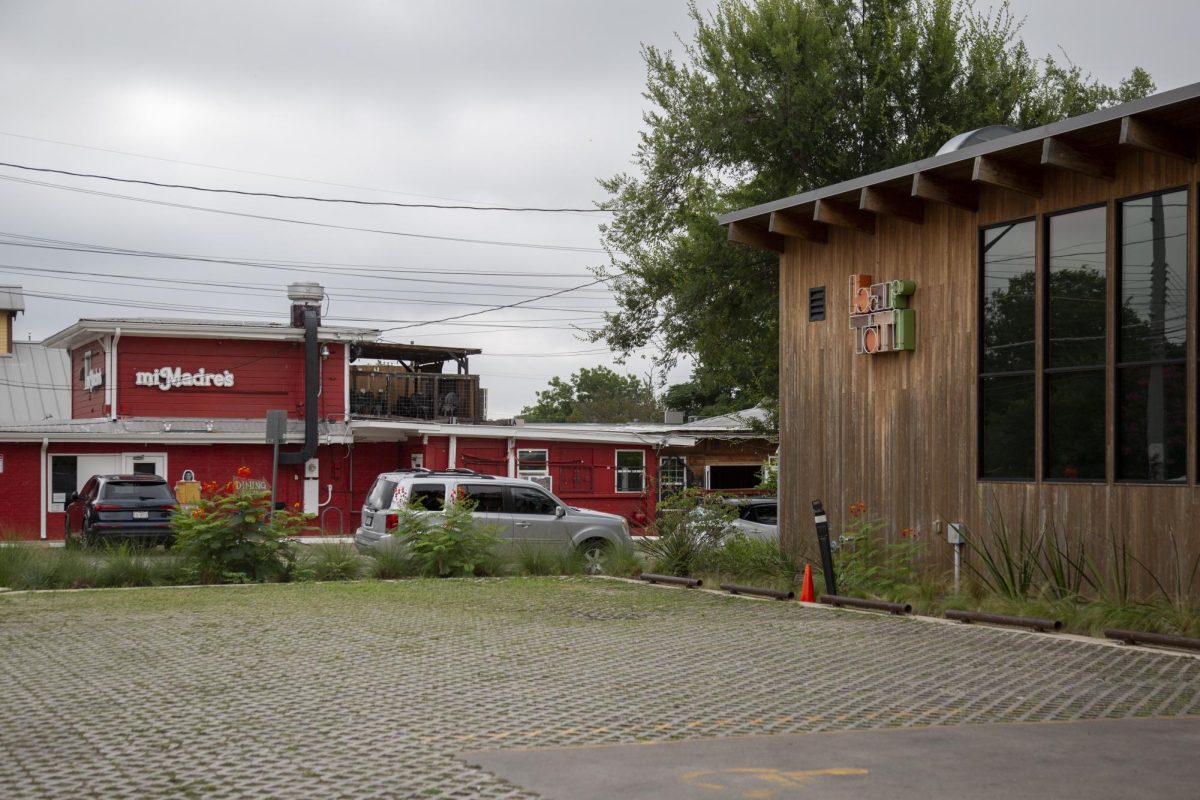
Austin Planning’s Historic Preservation Office launched a survey to chronicle the cultural history of East Austin on June 12. The survey will involve photographic documentation of East Austin’s buildings and community engagement to gather local histories.
The survey includes the area bounded by Interstate 35, the Colorado River, Airport Boulevard and Manor Road and will focus on properties built before 1983, since they will approach the 50-year eligibility marker to permit historic preservation. Property owners must go through a formal application process to receive a historic status designation. They can use the information from the survey, which will be compiled in a final report by 2028, to help with the preservation process, said Sofia Wagner, a planner in the City’s Historic Preservation Office.
“If a property owner on the east side is interested in having their property have historic landmark status, they can go and look at the information about their house,” Wagner said. “If we get any demolition permit applications or any potential historic zoning property owner that is interested in getting historic zoning, the staff can … see what the research says.”
If a property has historic status, it has protection against demolition, as changes to historic properties must be officially approved by the City’s Historic Preservation Office or Historic Landmark Commission.
Austin Planning chose East Austin after finishing a survey of downtown in 2024. Wagner said East Austin is under development pressure and 2026 marks 10 years after the last survey of East Austin, the standard timeline for surveying.
This survey is different from previous efforts by the planning department; the city will conduct community engagement and collect oral histories, Wagner said. The stories will be incorporated into the 2028 final report. Other services like photography and research will be conducted by a consulting firm, she said.
“We’re trying to document places that are important to the community,” Wagner said. “We’re trying to hear about places or businesses that matter to community members.”
Sage Ponder, an assistant professor in the Department of American Studies who specializes in urban issues, said Austin’s tech boom has led to an increased demand for housing. Developers are especially interested in East Austin, she said, because of its proximity to downtown and lower average property values.
“The stakes are pretty high for this neighborhood,” Ponder said. “There’s material and cultural legacies at stake here, so this is just the beginning of a process for this neighborhood that’s been undergoing change for a long time.”