Cowboy Boots are considered a southern signature in footwear. Today, anyone can purchase cowboy boots made to generic universal sizing; but for boots made to fit, there’s Texas Traditions.
Established in 1977 by fourth-generation bootmaker Charlie Dunn, Texas Traditions’ handcrafted cowboy boots tell the history of Texas through their craftsmanship.
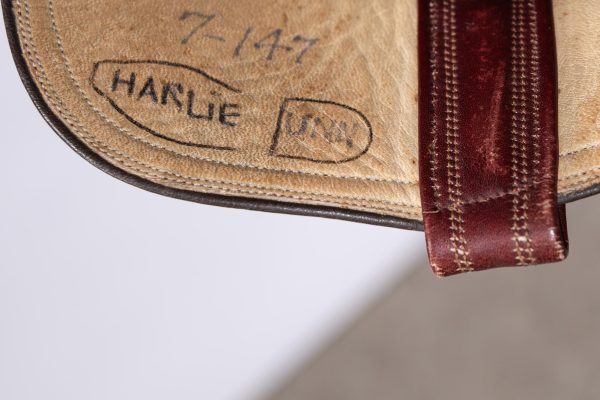
If you drive just off of South Congress Avenue, and take a stroll into the shop, you’re likely to run into Lee Miller. Miller inherited the shop from Dunn in 1986 and has made boots for some of the most famous clients, including Bill Murray and Willie Nelson.
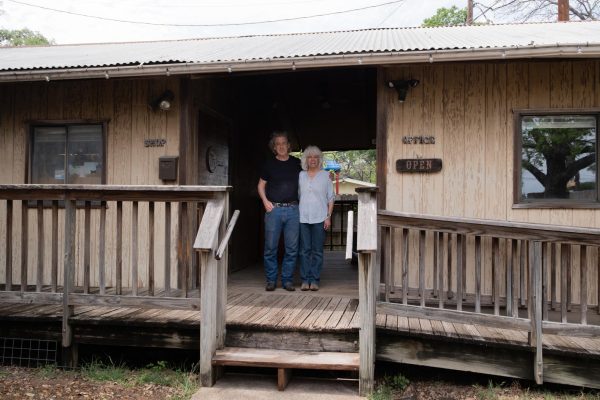
Miller’s love of his craft extends beyond meeting stars – his passion is his ability to tell a story through the art. Originally from Rutland, Vermont, Miller became fascinated with the creative expression and craftsmanship of bootmaking at age 10 when he inherited his first pair of boots from his older brother.
“There’s a few things I love about cowboy boots,” Miller said. “I love the style, and I love the history and the traditional craft aspect of it.”
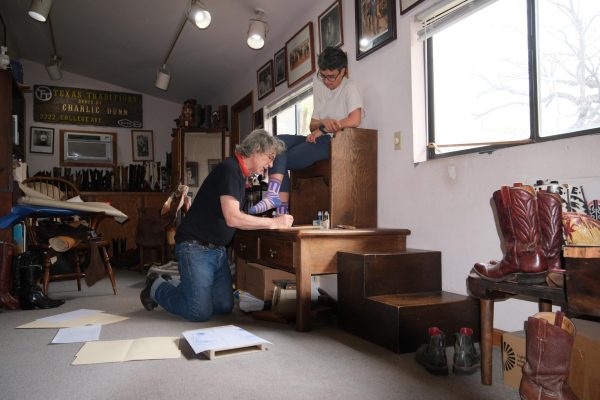
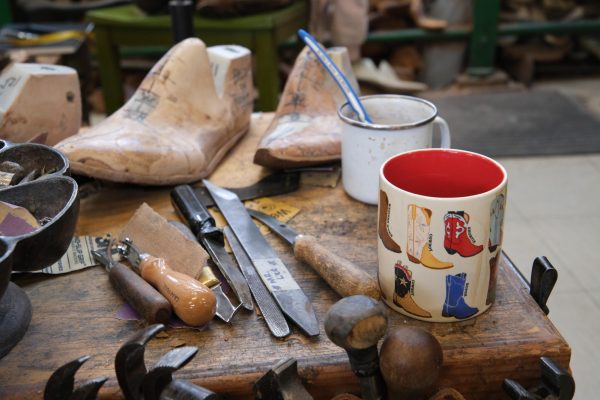
Miller’s process starts by taking measurements of the customer’s footprint before working with them to decide the details and design of the shoe itself. Patrons sit atop a wooden table where Miller measures their feet using tools, a pencil and an inkpad.
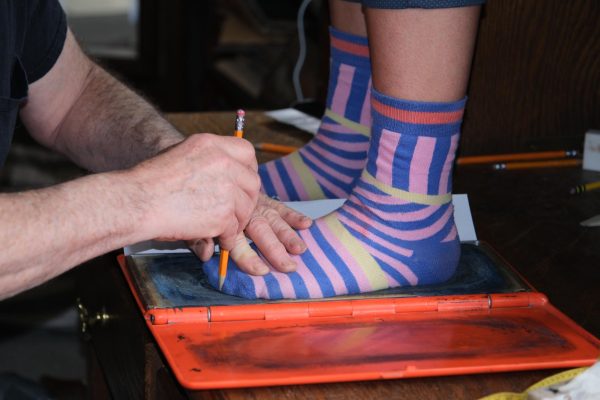
Miller uses the ink print to see the bones and weight distribution of how a foot is shaped, which he uses to draw what the insole should look like. The insole is the part of the boot the customer will be standing on, making the fit essential to guarantee success in construction and comfort.
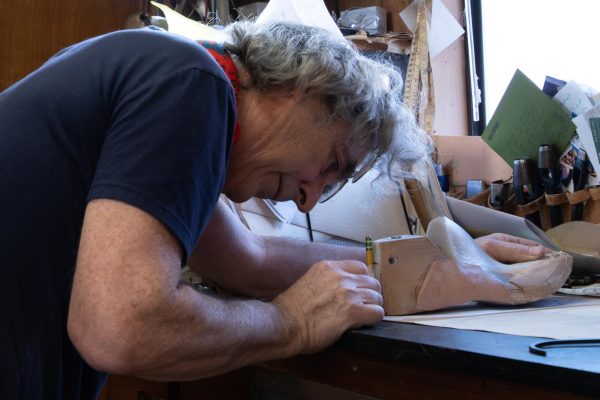
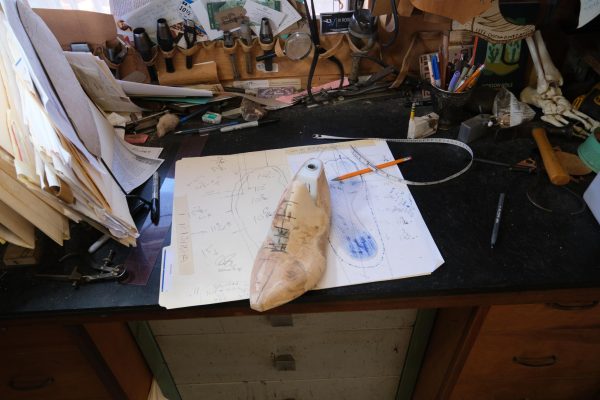
“It’s just a platter with blue ink on it,” Miller said. “And the customer pushes (their foot) to the paper and gives me a print. The nice thing about it is the customers actually making the print. So you’re not really influencing it — they’re making it. That makes it very, very stable and very, very accurate.”
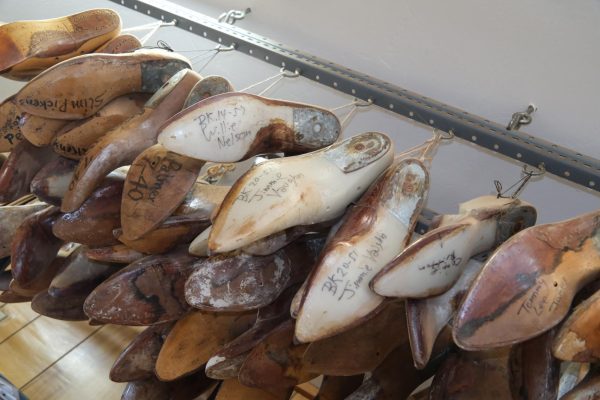
Using the insole sketch, a plastic foot-shaped tool known as the last, or the “horma” in Spanish, is then molded to fit the sketch’s specifications, creating the right size, shape and fit for the boot.
“There’s an old saying, ‘The last shall be first,’ meaning we can’t do anything without the last,” Miller said. “In bootmaking, the hardest part is making the last and making sure the last is done correctly.”
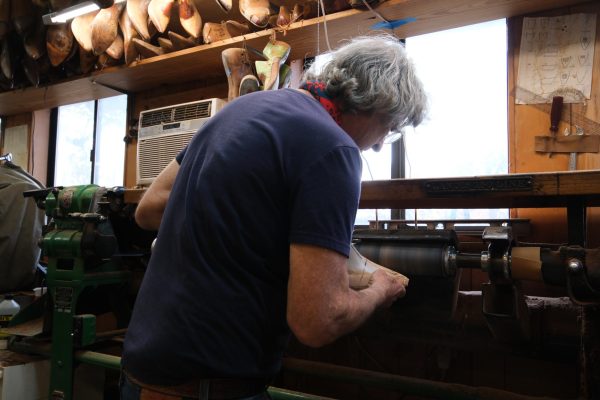
Using a sanding machine, Miller shapes the mold down to match the sketch, then uses paraffin to wax the mold and polishes it with a piece of denim before finally covering it in talc to make it slippery, a process called the ‘sealing of the last.’ It’s done so that the last repels water instead of absorbing it, and is made slippery so the last is easily removable.
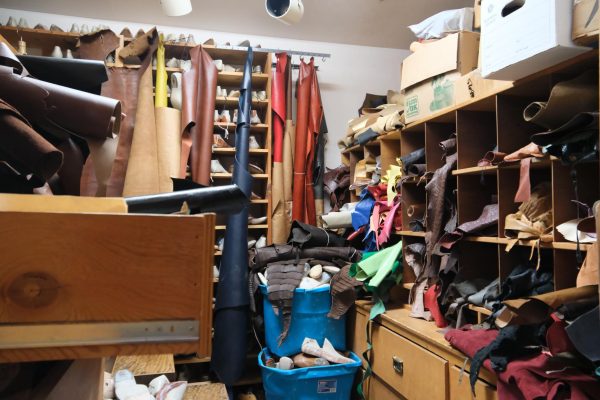
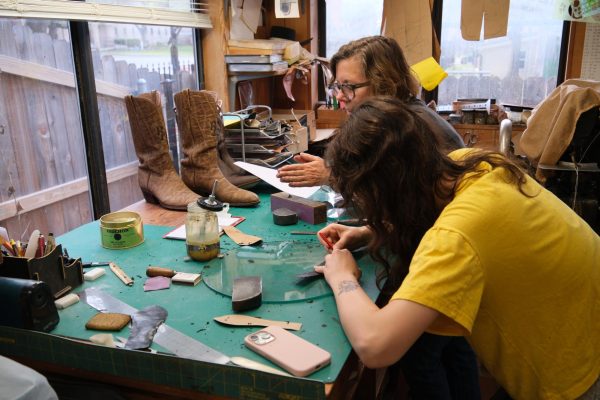
After the last is made, the leather is cut, skived and sewn according to a paper template Miller fits to the customer. Skiving is the process of thinning out the edge of the leather, ensuring the leather is not bulky once sewn. The constructed leather piece as a whole is wet and stretched around the form of the last, draped over tightly and secured in place with nails.
“A lot of factories do it completely dry,” Miller said. “What bootmakers do, traditionally, is they’ll wet it and remove all the stretch so that when you get your new boots, they really don’t change much from the time that you first put them on till the time that you’ve worn them a year.”
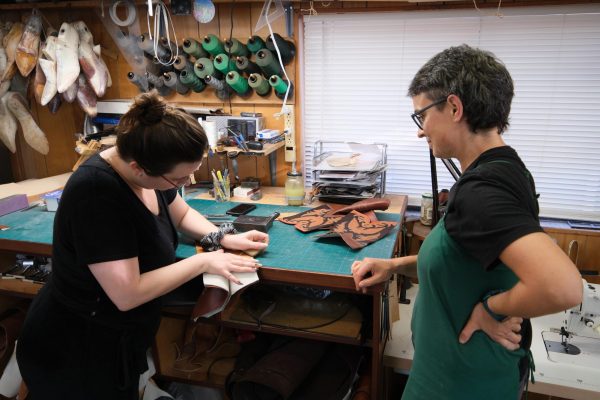
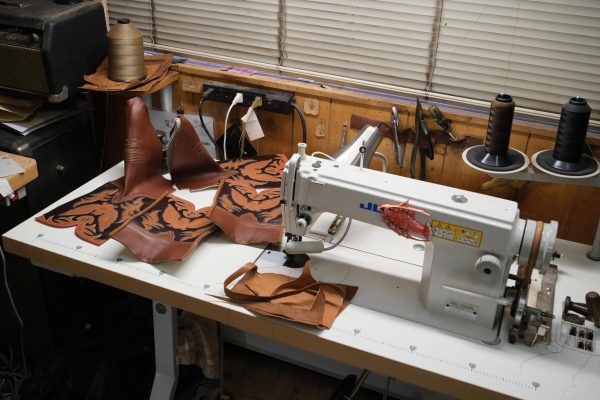
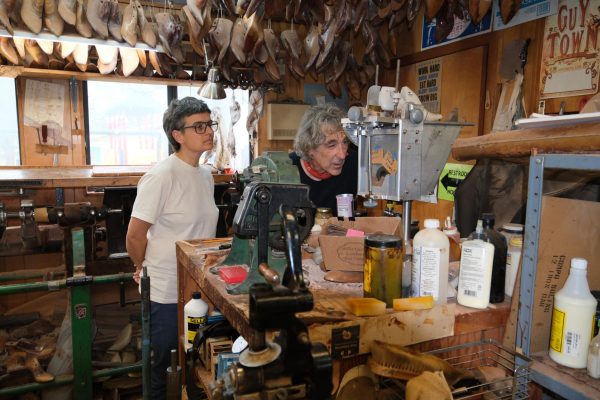
The labour is divided into three primary categories, the last maker, the top person and the bottom person. Charlotte Marshall, a staff member at Texas Traditions, cements the leather’s heavy decorative work, assembling the panels to create the “upper,” the top portion of the boot above the sole while the bottom person completes the soles and heels of the shoe.
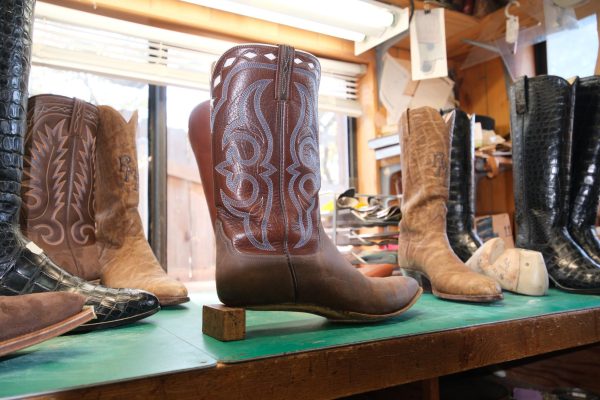
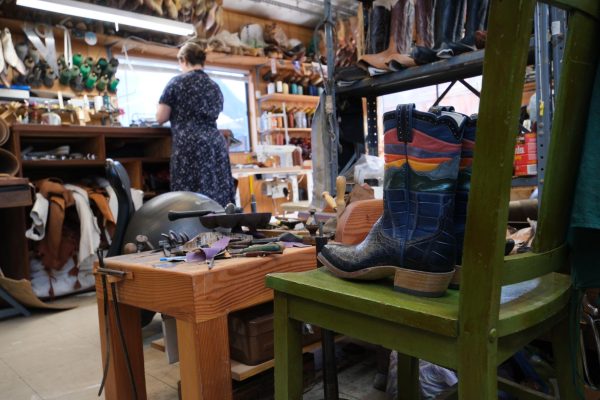
Once the leather is dry, construction of the boot begins. Nails and screws combine the upper to the soles and heels. Wooden pegs are placed inside to shape the top of the boot and the last is pulled out. Anything that sticks out from the side of the boots is sanded down before the finished product is shined and finally tried on by the customer. After a long construction process, the boots are ready for a lifetime of wear.