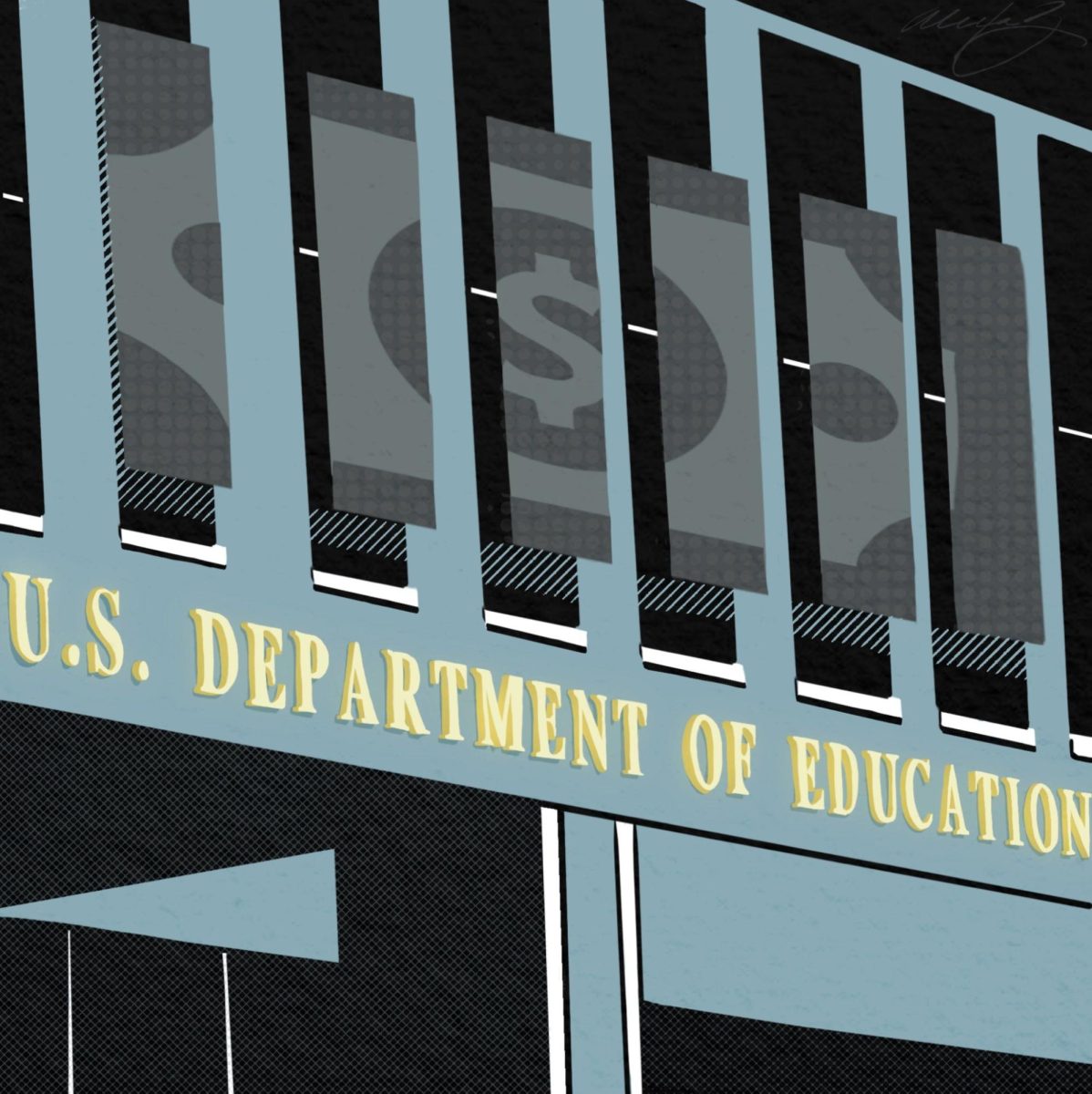
The U.S. Department of Education’s Office of Civil Rights can no longer process complaints alleging race or gender-based discrimination, according to an internal memo from the U.S. Department of Education first obtained by ProPublica on Feb. 20.
Craig Trainor, the office’s acting director, lifted a month-long halt on all active discrimination complaints and instructed the office to “process complaints that allege only disability-based discrimination,” according to the memo. There are 14 active discrimination complaints filed against UT as of Jan. 14, with two involving race-based discrimination.
The office enforces six federal laws that prohibit discrimination on the basis of race, disability status, age, sex or national origin in public schools that receive federal funding. While not the only mechanism for the enforcement of federal anti-discrimination laws in public schools, the office is an important third-party evaluator of discrimination complaints, said Chloe Kempf, staff attorney at the American Civil Liberties Union of Texas.
“This pause … sends a message to our public institutions that this administration is not prioritizing combating racial- and gender-based discrimination, and that’s a really harmful message to send because it creates this permission structure for public institutions to consider violating those laws,” Kempf said.
Kempf said all schools have independent legal obligations to uphold federal anti-discrimination laws and the U.S. Constitution. In Texas, there are 228 pending cases filed against post-secondary institutions and 3,074 filed against post-secondary institutions across the U.S.
The University declined to comment on the status of ongoing investigations. The Department of Education also did not respond to requests to confirm the number of active cases currently under investigation against UT.
“It’s important that during this time, universities reaffirm their commitment to creating educational environments free from discrimination and work to vigorously enforce the law on their campus,” Kempf said. “Not because they are scared of an impending investigation by the federal government, but because they truly care about their students and upholding the law within their institutions.”