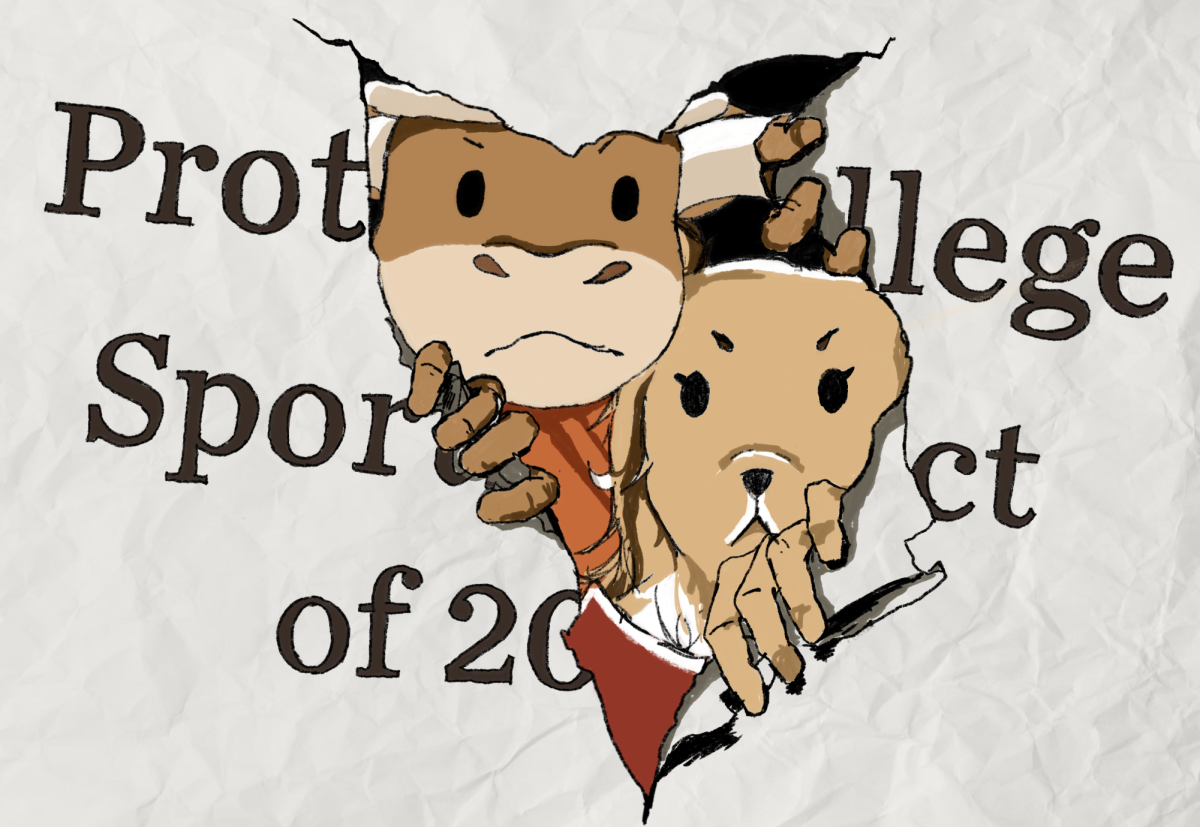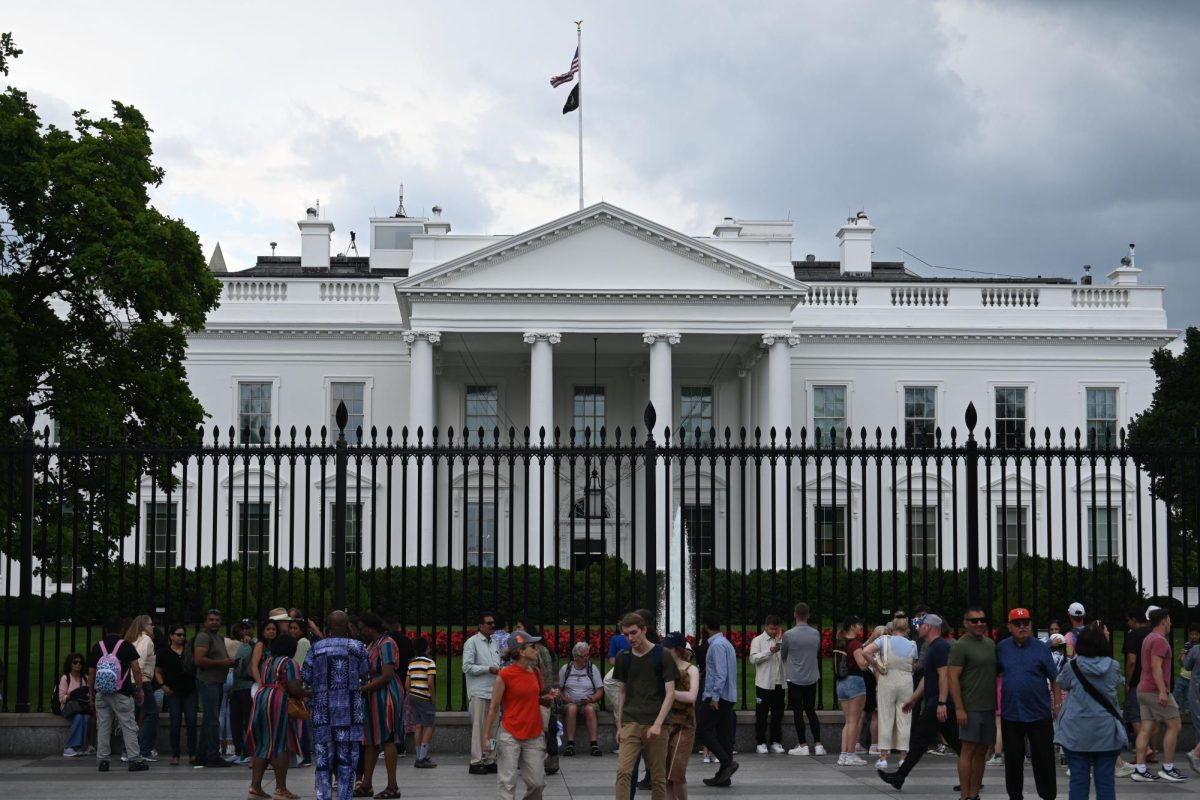
The Trump administration proposed sweeping changes to policies regarding college athletes’ Name, Image and Likeness in an April 3 executive order. The order attempts to limit how much athletes can be paid and their eligibility time to five years.
The order, “Urgent National Action to Save College Sports,” claims the current NIL model is fraudulent and calls for a comprehensive shift in its rules. The order directs NCAA heads to reduce players’ ability to transfer schools, prioritize academics and prohibit improper financial actions by players.
The NCAA regulates sports rules for universities and college athletes, including their NIL, or the ability to profit off their brand. Student-athletes can get paid for merchandise with their names and brand deals. The current program in place was approved following the 2025 House v. NCAA settlement, according to NCSA College Recruiting.
Texas Athletics said there is not enough information right now to make a statement, and expects to receive more information throughout the summer. The directive says these rules are set to go into effect Aug. 1.
Christopher Sokol, director of student affairs at the UT Law School, said the order’s funding section could help standardize the rules regarding play time and payment. He said currently, NIL is in an unpredictable time where student athletes can make millions a year. Redshirt sophomore quarterback Arch Manning’s NIL valuation is estimated at more than $5 million, one of the highest among all college athletes, according to On3, a sports media news organization.
“Now, there’s (almost) no restrictions in place,” Sokol said. “That means at a school like Texas or an SEC school, these quarterbacks or star players for any of the different teams, it’s quite a bit of money, whereas 10 years ago, students were being declared ineligible when they got a free soda at the sandwich shop.”
Without congressional action, Sokol said he believes the order, which also calls on the U.S. Congress to pass the restrictions into legislation, is more representative than anything.
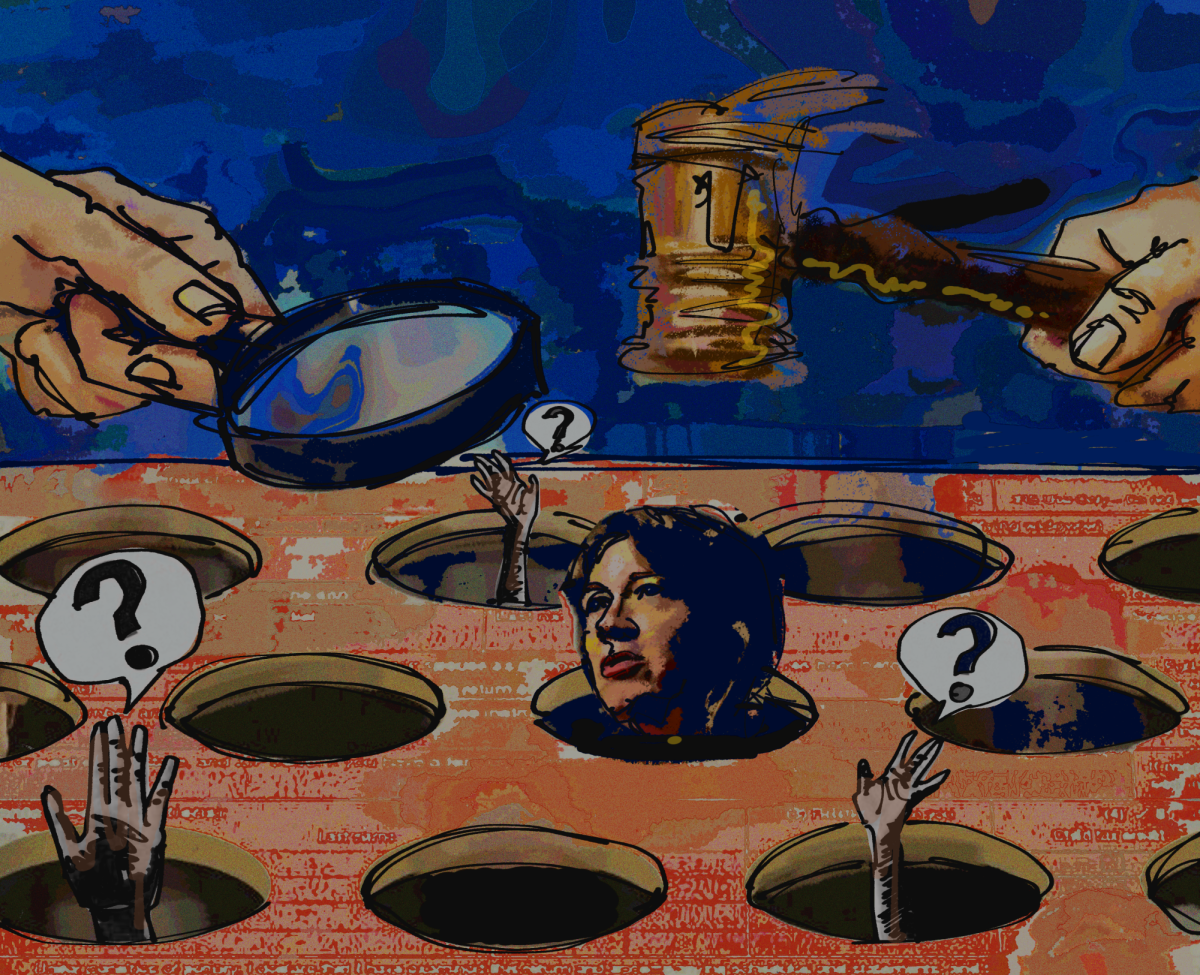
“It’s sweeping, it’s ambitious, but it really does face enforceability questions,” said Sokol, who specializes in sports law. “Without some sort of underlying federal legislation or getting Congress on board to act, I think most legal experts agree that it’s not going to succeed against court challenges. The real impact is more political.”
Both state and federal legislatures have attempted to pass laws regarding the issue, and Gov. Greg Abbott signed Texas House Bill 126 in June last year, which attempted to regulate student athlete compensation and professional representation.
Sokol said that if Congress were to pass the policies proposed, it would set uniform rules for the NCAA across state lines. As the policies currently stand, Sokol said different state and university rules, as well as local court decisions, make it difficult for athletes to understand how eligibility works and said he can see these changing out of necessity.
“I think there’s been enough political pressure, just every time the NCAA gets hit or pushed back on or a judge in a particular state overrules one of their eligibility decisions, and they have to fight for it,” Sokol said. “It’s frustrating to them, I have no doubt. And, it’s leading to more and more national news that looks bad for them as well.”