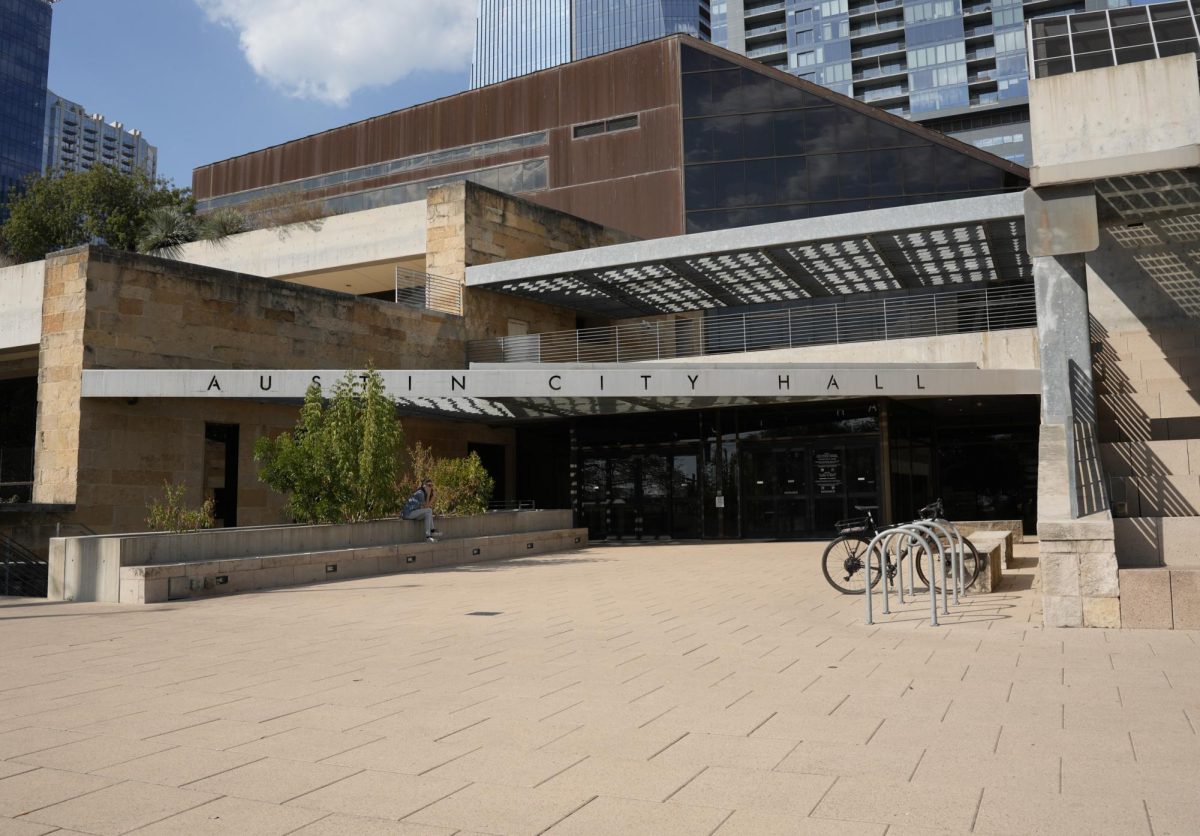
The Austin City Council postponed at its June 5 meeting public hearings that would address proposed updates to the University Neighborhood Overlay to allow for more discussions between the city and University.
The University Neighborhood Overlay, also known as UNO, was first adopted in 2004 to allow developers to build taller and denser buildings in exchange for affordable housing units in West Campus, according to the UNO overview. The Planning Department proposed updates aimed at increasing maximum building heights and supporting light rail development under the program. The updates also aimed to ensure West Campus provides quality, affordable housing, according to the Recommendation for Action.
Public hearings for the UNO updates are postponed until the Sept. 25 city council meeting, allowing department staff to formally meet with UT leadership to understand any challenges or concerns, according to a city memo.
University spokesperson Mike Rosen wrote in an email that UT is primarily interested in addressing mobility, safety and infrastructure concerns prior to the updates being approved.
“It is vitally important to our students, the University and the local community that we get this right,” Rosen said.
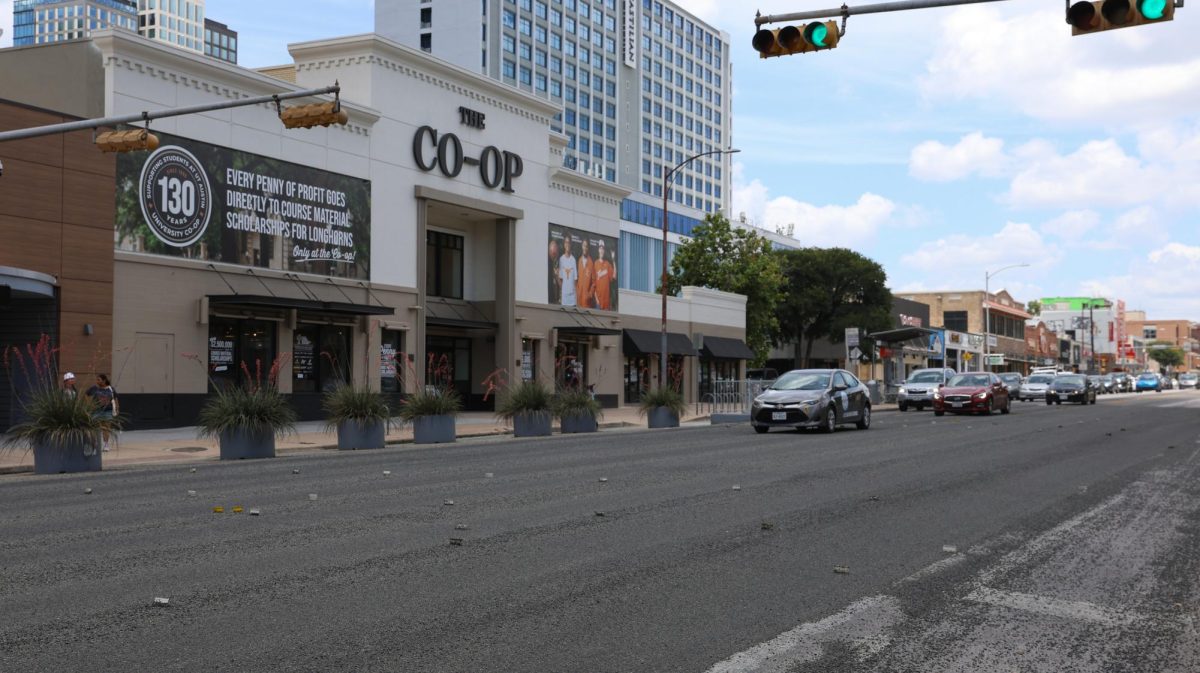
The proposed UNO update would require “pedestrian-oriented development” to improve safety and mobility in the area. Planning Commissioner Greg Anderson said one area in West Campus that requires attention is the intersection between West 24th and Guadalupe Streets, which has one of the heaviest transit corridors in the city, according to an Austin Mobility report.
“You would think it would be built to pedestrian scale and be safe for pedestrians to cross,” Anderson said. “We know that it’s mainly built to cater to automobiles, and that just makes it a much more dangerous place than it needs to be.”
The city planning department wrote in an email that the proposed UNO updates resulted from an extended period of engagement with key stakeholders. These included West Campus residents, UT administration, business owners and housing advocates for the city’s planning commission.
“We look forward to continued dialogue with UT’s leadership that will help shape the best outcome for the University, its student body and the city as a whole,” the Planning Department wrote.