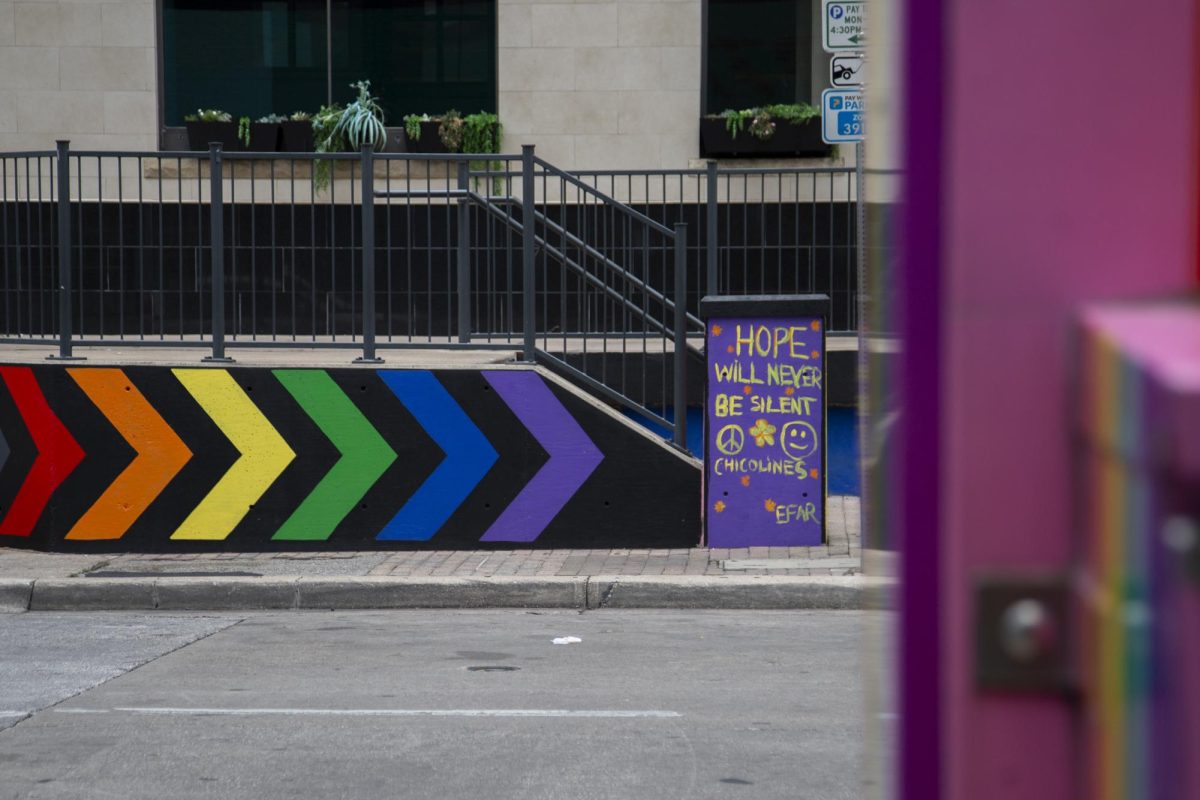
Mayor Kirk Watson hosted a Juneteenth block party and a community mural painting event this weekend with a task force he created aimed at highlighting diversity, in support of Black and LGBTQ+ residents.
This coincides with the removal of crosswalk art in compliance with the Texas Department of Transportation’s October 2025 letter. This ordered cities to remove all pavement markings with political messaging or other distractions that may “compromise safety.” Cities were given 30 days to remove artwork before they were subject to the withholding or denial of state and federal funding.
Among these murals are the rainbow crosswalks on West 4th Street and the “Black Artists Matter” mural on East 11th Street. The city’s request to preserve this artwork was denied, and the city must submit an action plan for the murals by June 22.
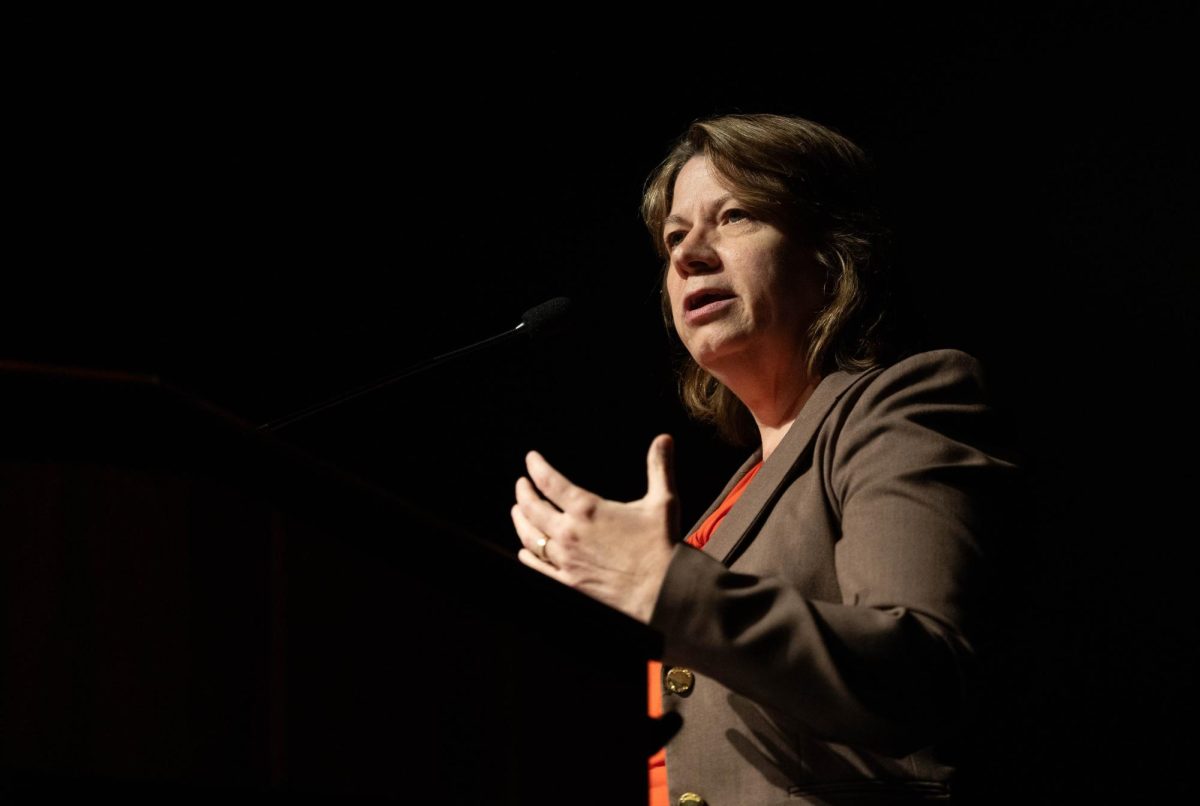
“The edict about these murals was meant to create sadness, be demeaning and cater to those who discriminate,” Mayor Watson said in a speech at the block party. “It’s ridiculous that with all our needs, and all the good we could be doing, some people use their power to divide … people and to devalue things that make our communities special.”
In November 2025, Watson formed the Public Spaces Task Force, a group of representatives from multiple Austin districts and cultural communities focused on finding state-compliant ways to celebrate diversity in Austin, which led to this weekend’s events.
“I saw this as an opportunity to show we can overcome bullies, be who we are and maybe even figure out better ways to show our happy diversity,” Watson posted Friday on Instagram.
Friday’s block party took place at the “Black Artists Matter” mural in the Six Square Cultural District in East Austin, which is named for the six square miles relegated to Black Austin residents in the 1920s, said Six Square CEO Daphne McDole. Today, it is the only African American cultural district in Texas.
Attendees celebrated Juneteenth as well as the improvements made to the district by the task force, including removing abandoned vehicles and repairing streetlights. Although the mural will be removed, lampposts will soon feature artwork highlighting the district, said McDole, a member of the task force.
“It’s important for us to remember what this part of town reflects, which is a lot of diversity, a lot of hard work and a lot of legacy,” said Steven Rivas, chair of the Public Spaces Task Force.
On Saturday, Watson welcomed the community to the Bettie Naylor district on West 4th Street, where rainbow crosswalks in support of the LGBTQ+ community will be removed. Residents were asked to contribute to a new mural on the sidewalk near Colorado Street, made of rainbow hearts and other designs.
“(The) community painting and celebration prove that the special ingredient that makes Austin special is more than just markings on pavement,” Watson wrote.
The mayor’s Task Force plans on adding more art and public spaces to both districts in the near future. Rivas said they plan on a gateway to the 11th Street corridor to mark the area as a historic district, as well as more murals honoring the names of prominent African Americans who are a part of the history of East Austin.
In the 4th Street Bettie Naylor district, Rivas said the city plans to close through traffic between Lavaca and Colorado streets to add a small community space and a possible art installation.
“The choices made by the state were meant to be mean, create chaos, and cause sadness,” Watson wrote in the “Watson Wire,” his newsletter. “The choices we’re making to celebrate our diverse communities again (show) that Austin can and will rise above negative efforts and always look for opportunities to create joy and belonging.”
Editor’s Note: Associate News Editor Diego Hernandez contributed to the reporting of this article.