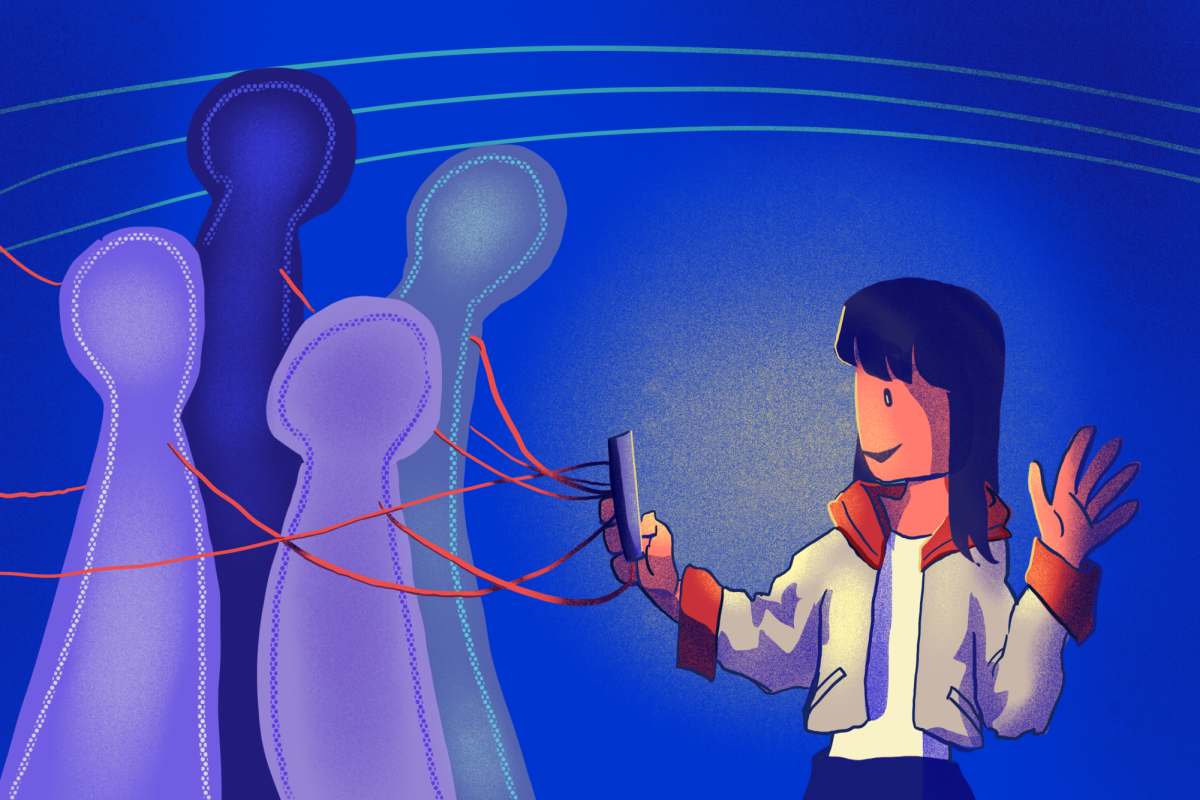
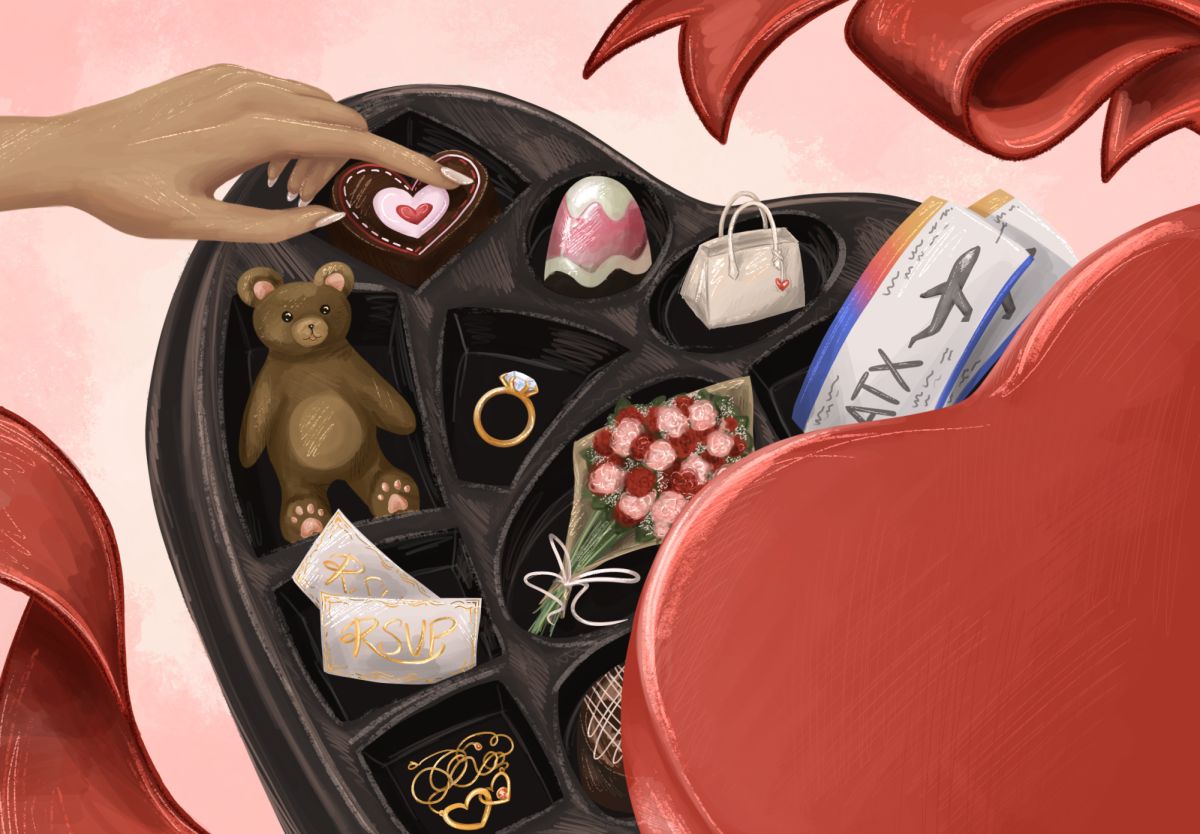
As students settle back home, summer reflects a time full of packed boxes, booked flights and closed doors. Often, this scene change isn’t the only transformation occurring. With the air thick with nostalgia and sunrays, distance does not bring fondness but the quiet ending of seasonal soulmates. The people we loved in the spring may not follow us into the fall.
However, a short-lived relationship doesn’t equate to failure. Sometimes, the most powerful connections are the ones that don’t last but still leave us changed. Instead of turning breakups into a competition over who moves on first or looks the happiest, we should focus on appreciating the relationship for what it gave us, however long it lasted.
“Relationships are hard, and we don’t learn overnight, in a few months (or) a few years,” said David Cantu, marriage counselor and life coach at Life Coach Austin. “It’s a lifetime process of discovery about ourselves, relationships, our place in the world, (self-grace) and forgiving oneself and the other person.”
Heartbreak hurts most when it echoes what you’ve already lost. Like gum under a table or a song stuck on a loop, trauma is sticky. One misfortune ignites all previous grief. In mourning the loss of this individual, you’re suddenly transported to the memory of all that came before.
“In medicine, inflamed tissue sticks to other tissue around it, and in psychology, your old losses stick to your new losses,” licensed clinical psychologist Krista Jordan said. “People with histories of early loss have a bigger task on their hands because … (they) have to re-grieve previous losses. It gives them a bigger burden of grief to help move through. They will stay in relationships even when it’s not healthy because they don’t want to feel that pain all over again.”
There’s nothing inherently wrong with self-care or reinvention, except when our performance is rooted in comparison, not genuine healing. We replace grief with distractions and pain with performative strength. That temporary high can distract from real closure.
“An interesting paradigm in humans (is) that we don’t like loss,” Jordan said. “When you’re trying to take something away from a two-year-old, your best strategy is to trade them, because if you just try to take something, they get upset. (Trading) tricks them into thinking they haven’t lost anything. … (Loss) hits some deep thing inside of us that feels wrong, like we’re not supposed to lose things, but the irony of that is life is nothing but loss.”
Unconditional love may feel like a fever dream during heartbreak, but looking at the bigger picture, it’s more prominent than you think. Communities, resources and people can uplift you with soulful healing. Express your sadness with the same friends and family who’ve heard you replay this heartbreak a million times — and still stay.
“As our stress goes up, our ability to cope with stress decreases or gets outpaced, so our emotional resources to cope might not be as readily accessible,” said Ginny Maril, senior director of clinical services at the CMHC. “That is a nice time for folks to slow down. If we can create more space in between (events and our responses), (we) have a better shot at reacting in a way that is consistent with who we are.”
Amid a bittersweet departure, it’s hard to memorialize someone as a life lesson, but sometimes, that is the greatest truth that can arise from the ashes of an old relationship. Part of love’s depth is accepting that some people aren’t meant to last forever.
They’re meant to leave you better.
Lam is a computer science sophomore from Mansfield, Texas.