Tetrahydrocannabinol (THC) recreational products, including gummies and some vape pens, will remain legal in Texas after Gov. Greg Abbott vetoed Texas Senate Bill 3 late Sunday night. The bill would have attached criminal charges to possessing or distributing hemp-derived products.
Abbott had until Sunday night to veto SB 3 or let it become law automatically. The bill had passed both the Texas House and Senate in May, but faced backlash from hemp farmers, store owners and some lawmakers, who said it would hurt the state’s economy and individual freedom.
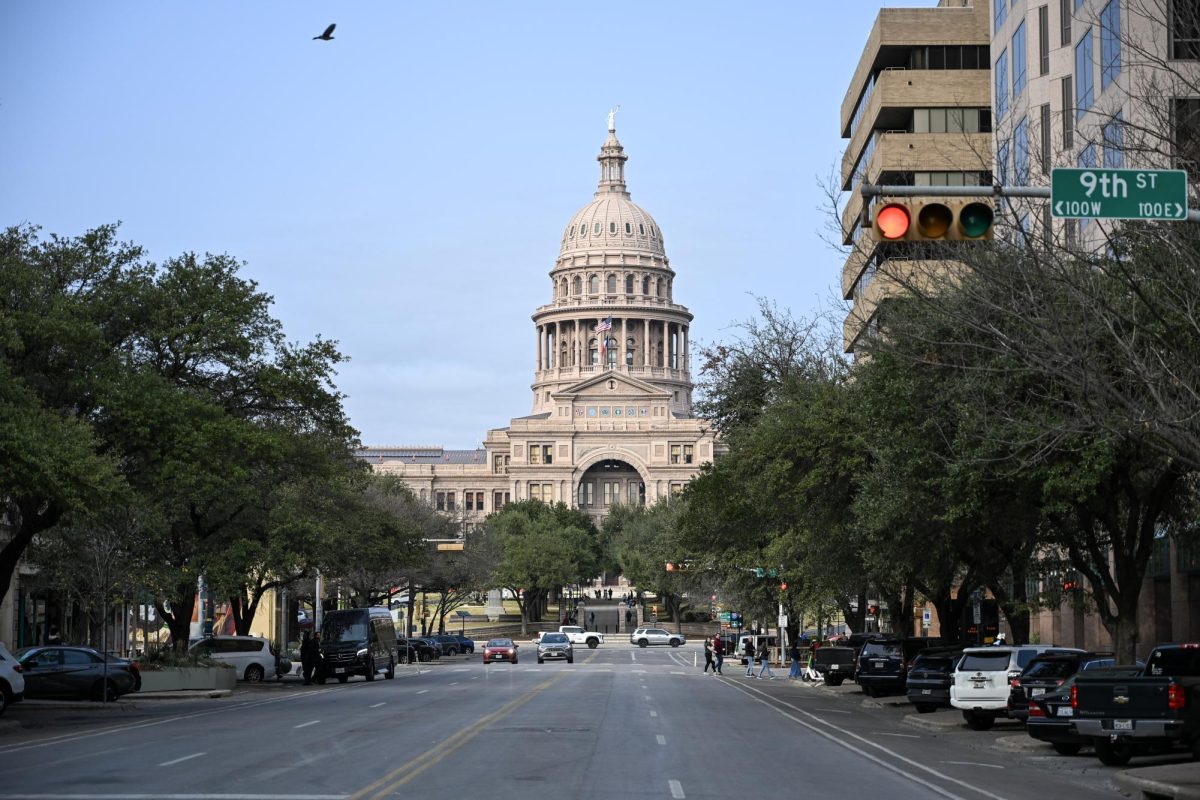
However, the monthslong debate over THC laws in Texas is far from settled. Following his veto, Abbott called lawmakers back to Austin for a special legislative session, scheduled for July 21, where they will work on a new law to regulate hemp-derived products, along with five other Texas Senate bills that were also vetoed.
In his statement, Abbott said he vetoed SB 3 because the bill would likely violate federal law and trigger constitutional challenges, which would delay enforcement, citing an ongoing legal battle in Arkansas after the state attempted to ban hemp products. States are prohibited from impeding the transportation of federally legal products during interstate commerce, according to previous U.S. Supreme Court rulings.
“Passing a law is not the same thing as actually solving a problem,” Abbott wrote. “Texas needs a bill that is enforceable and will make our communities safer today, rather than years from now.”
Abbott said the bill could cause confusion for hemp farmers trying to operate and transport hemp products legally under federal guidelines.
In 2018, the federal government passed the Agriculture Improvement Act, legalizing the production of hemp and removing it from the Drug Enforcement Administration’s list of controlled substances. In 2019, the state Legislature passed a law limiting any plant variant with more than 0.3% THC by dry weight, making any variant with less than 0.3% legal and accessible to anyone in the state.
The Texas Hemp Business Council, which advocates for hemp producers, praised the veto, saying it protects “hundreds of thousands of farmers, veterans, small businesses and adult consumers across Texas who rely on hemp for wellness and their livelihoods.”
Abbott proposed regulating the hemp industry similarly to how the state regulates alcohol by establishing an agency to strictly enforce a set of 19 potential regulations. The regulations include restricting access to anyone under the age of 21, requiring containers to be “child-resistant,” and preventing hemp sales near schools or other “areas frequented by children.”
The veto puts Abbott at odds with Lt. Gov. Dan Patrick, who had made banning THC one of his top priorities during the 89th legislative session. Patrick and state senators who supported the bill argued that banning THC was necessary to protect children, citing shops operating near schools. In a post on X, formerly known as Twitter, Patrick criticized the governor’s veto.
“His late-night veto, on an issue supported by 105 of 108 Republicans in the Legislature, strongly backed by law enforcement, many in the medical and education communities, and the families who have seen their loved ones’ lives destroyed by these very dangerous drugs, leaves them feeling abandoned,” Patrick wrote. “I feel especially bad for those who testified and poured their hearts out on their tragic losses.”