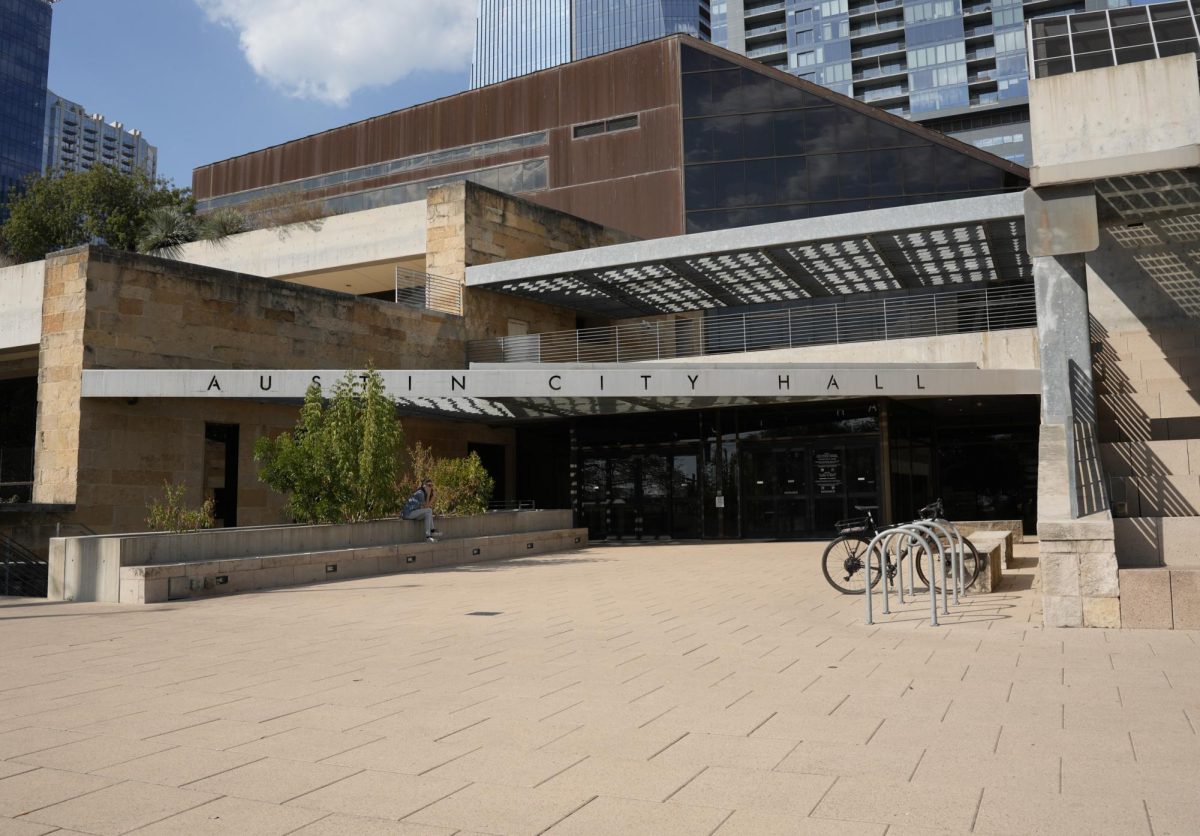
Austin Independent School District announced the reorganization of its central office on June 18, impacting the positions and salaries of 170 employees. Although the move will save the district $9.6 million, UT students who wish to work for the district after graduation raised concerns about what the reorganization means for public education.
AISD faces a budget deficit of more than $100 million, which is driven by stagnant state funding, rising costs and declining enrollment. This shortfall leaves 25,000 empty student seats, according to the district website. The central office, which includes roles in administration, human resources and finance, will see a broad restructuring of roles, reporting structures and departmental alignment, according to the AISD Fiscal Year 2025-26 Proposed Budget.
“This restructuring is only one step in a series of difficult conversations and decisions that must be made to ensure our district remains stable, and we can maintain our ability to offer the highest quality education,” AISD Superintendent Matias Segura wrote in a June 18 statement.
Despite efforts to reduce the deficit for the 2025-26 school year, Segura wrote that costs related to school improvement and special education offset the savings. The improvements were originally designed as a multi-year restructuring process, according to a May 23 statement from Segura. However, the process was compressed into one phase due to urgency, Segura wrote. The changes will go into effect Aug. 1, according to the proposed budget.
“While these decisions are driven by fiscal necessity, we remain committed to our shared mission — and to each of our staff who serve with dedication and integrity,” Segura said.
Meka Foster, a former AISD student teacher, said administration plays a role in interpreting classroom data and setting policy, which trickles down to the classrooms. The changes raise concerns about resources, she said.
“The people who ultimately are suffering are the students,” UT English senior Foster said. “Amidst those layoffs, you’re getting substitutes, you’re getting pre-made curriculum and it’s really a disconnect for these students.”
Sandra Fuentes, an early childhood education junior at UT, echoed Foster’s concerns and said she worries about being able to provide enough support for her future students.
“(It’s) crumbling little by little,” Fuentes said. “I hope it gets better throughout the years, but we’ll see.”
Despite the uncertainty, both Fuentes and Foster said they still plan to become teachers in AISD after graduation. Both said they want to pursue teaching for the students, not the money.
“It’s a hard time for education,” Foster said. “People are doing what they feel is best, and just give (them) grace.”