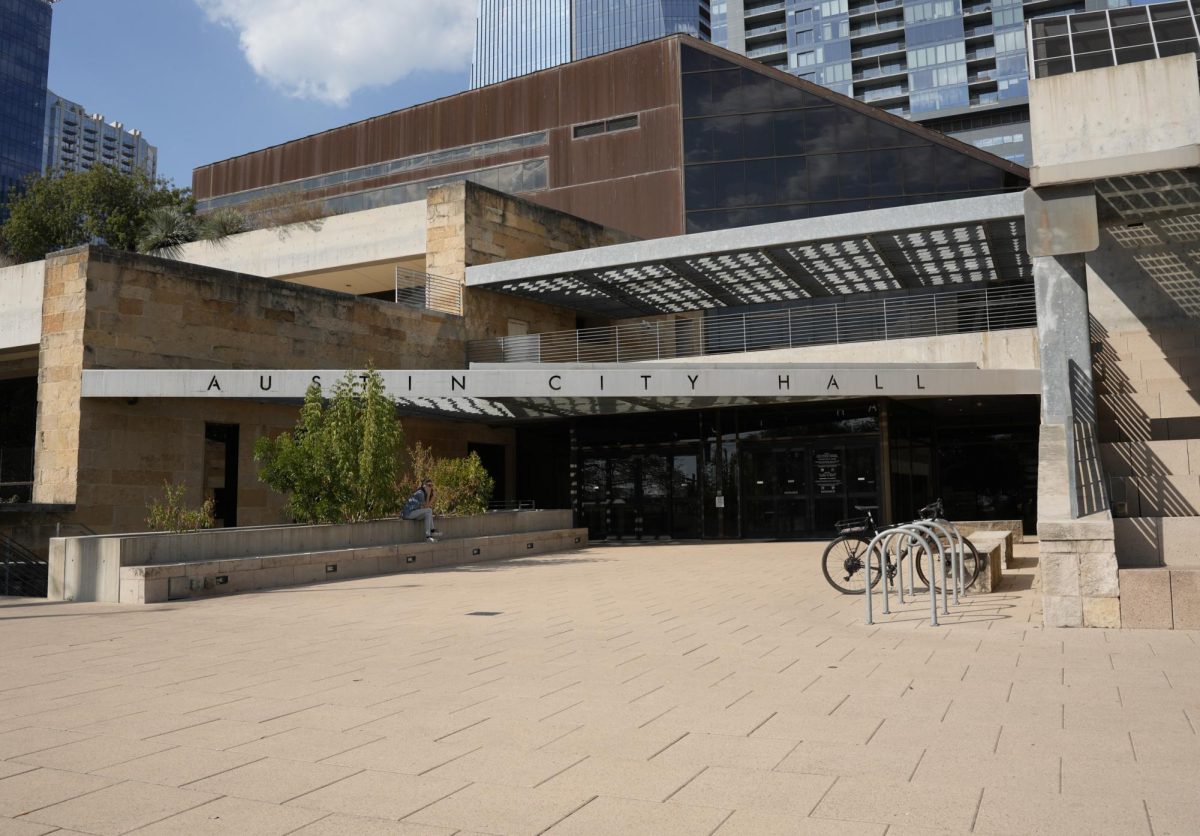
The city of Austin began its biannual citizenship clinic information sessions on Aug. 16, which educates participants about the naturalization process free of cost.
To participate in the clinic, people must first attend an information session. This fall, Human Rights Officer Shafina Khaki said the Human Rights Division is keeping immigrant communities informed with safety as a top priority.
Khaki said the citizenship clinic typically occurs twice a year, in the spring and fall. She said participants expressed concerns and fear about their safety due to the current political climate.
“Many residents need more details and explanations on how to navigate this political climate and the laws that are coming down in very real time,” Khaki said.
During the citizenship clinic on Sept. 13, attorneys from American Gateways, a nonprofit serving the low-income Central Texas immigrant community, will provide free assistance to the first 55 people to complete the N-400 application for naturalization, according to the clinic’s flyer. This clinic coincides with the citywide Welcoming Week, a series of events that recognize the contributions and presence of the immigrant community.
A common source of confusion is the distinction between lawful status and lawful presence, said Krystal Gómez, managing attorney at the Texas Immigration Law Council.
“There isn’t a code a person can point to and say, ‘Oh, here are all the people who are lawfully present under immigration law,’” Gómez said. “Lawful presence is not something that is defined in immigration law. It’s usually interpreted as somebody who is not accumulating unlawful presence.”
Some non-citizen students experienced confusion when paying for tuition after the Texas Dream Act was overturned on June 4. This law previously allowed them to qualify for in-state tuition if they resided in Texas for at least three years, graduated from or received the equivalent of a high school diploma in Texas and signed an affidavit agreeing to apply for legal status as soon as they were able to. Gómez said there have been different interpretations of the court order.
“What we’re seeing is essentially chaos,” Gómez said. “The court didn’t offer any kind of guidance on how schools should be implementing their court order, and as a result, we’ve had schools take various positions on what the court order means.”
Gómez said students can reach out to the council with questions to see if they have a pathway toward legal presence or if they need guidance from an immigration lawyer.
Khaki said the division partnered with the Texas Immigration Law Council to provide information sessions on recent immigration policy updates. The division also works closely with American Gateways during the citizenship clinic information sessions.
“That is a really critical spot for residents to come and to understand not only what the city of Austin is doing specifically, but who our partners are, who we’re working with, who we’re supporting here in our community,” Khaki said.
Whitney Drake, managing attorney at American Gateways, said applications for services are made via telephone.
“It doesn’t require people to travel to our office,” Drake said. “Requesting services with a nonprofit organization or having a consultation with a private attorney doesn’t put that individual at any increased risk. All of that information is confidential.”
Drake said American Gateways continues to receive requests for information and services, despite concerns from participants about moving forward with different types of applications.
“One trend that we are noticing is there is a lot of apprehension among the community that we work with to apply for benefits like immigration relief or a visa or things of that nature,” Drake said. “There’s a lot of fear right now.”
Khaki has been expanding the “Know Your Rights” program for the city to ensure people feel a “strong sense of safety and understanding.”
“It’s recognizing that there are immigrant communities that are really fearful of the various changes that are happening at the federal and the state level,” Khaki said. “As a human being who comes from this community, who understands those fears, I really recognize that we have to meet the moment and continue to evolve and understand that almost day-to-day, things are changing.”