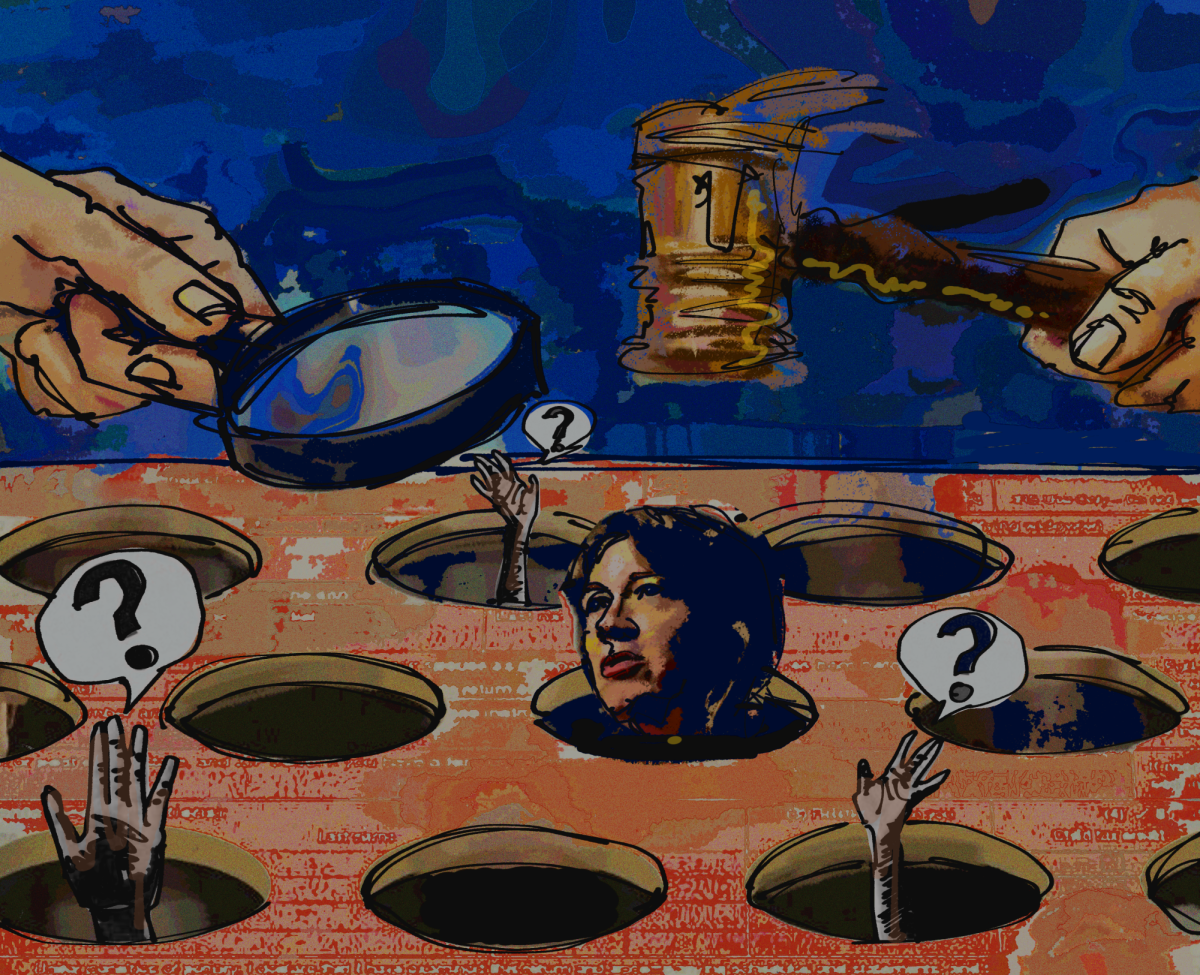
A federal judge struck down the Texas Dream Act on Wednesday, a law that allowed undocumented higher education students to receive in-state tuition.
Passed in 2001, the Texas Dream Act allowed undocumented students to receive in-state tuition if they had lived in Texas for three years and signed an affidavit saying they would apply for legal status as soon as they were able.
There are currently 57,000 undocumented students in Texas, according to a 2022 report from the American Immigration Council, but there is no specific data for UT. Those removed from the Dream Act protection will see a stark change in tuition costs. In-state tuition for UT was $11,678 per year for the 2023-2024 academic year, while out-of-state tuition is $42,778 per year.
In its motion to strike down the Dream Act, the Trump administration cited a 1998 federal law that prohibits undocumented people from receiving in-state tuition, saying Texas has violated the law for years.
“Under federal law, schools cannot provide benefits to illegal aliens that they do not provide to U.S. citizens,” said U.S. Attorney General Pam Bondi in a news release. “The Justice Department will relentlessly fight to vindicate federal law and ensure that U.S. citizens are not treated like second-class citizens anywhere in the country.”
Since 2001, there have been multiple attempts in the Texas Legislature to strike down the Texas Dream Act. In the most recent legislative session, House Bill 160 and Senate Bill 1798 attempted to repeal the act but ultimately failed to leave their respective chambers.
Supporters of the Dream Act say it helps the Texas economy by growing the workforce and leading to more money paid in state taxes. According to a 2023 fact sheet by the public policy group Every Texan, state and local governments could have gained up to $43 million from Dream Act students in 2021.
The order comes amid the Trump administration’s crackdown on immigration nationwide through increased Immigration and Customs Enforcement raids and visa revocations of students, including multiple at UT.
In a news release, the Department of Justice referenced two presidential executive orders as its rationale for the lawsuit. The first, “Ending Taxpayer Subsidization of Open Borders,” orders all agencies to ensure no taxpayer-funded benefits go to “unqualified aliens.” The second, “Protecting American Communities From Criminal Aliens,” renders any laws “favoring aliens over any groups of American citizens” unenforceable, including laws like the Texas Dream Act.