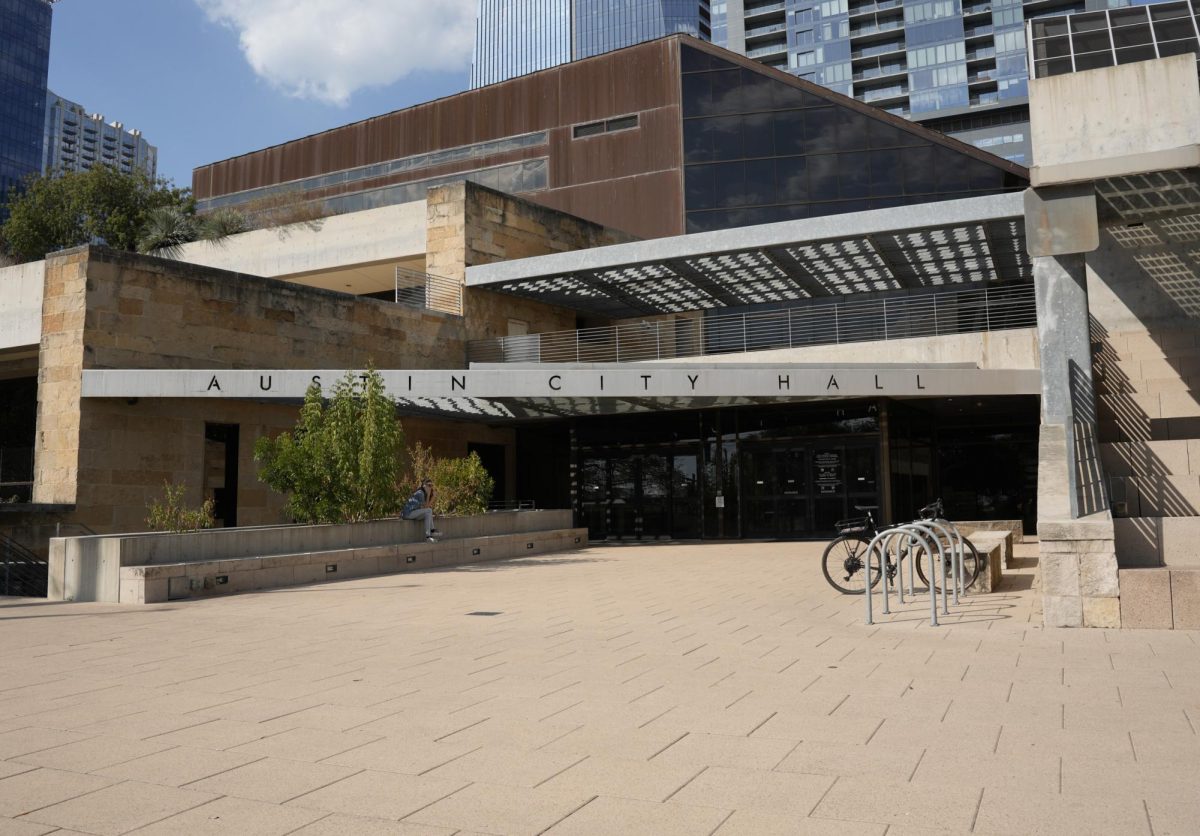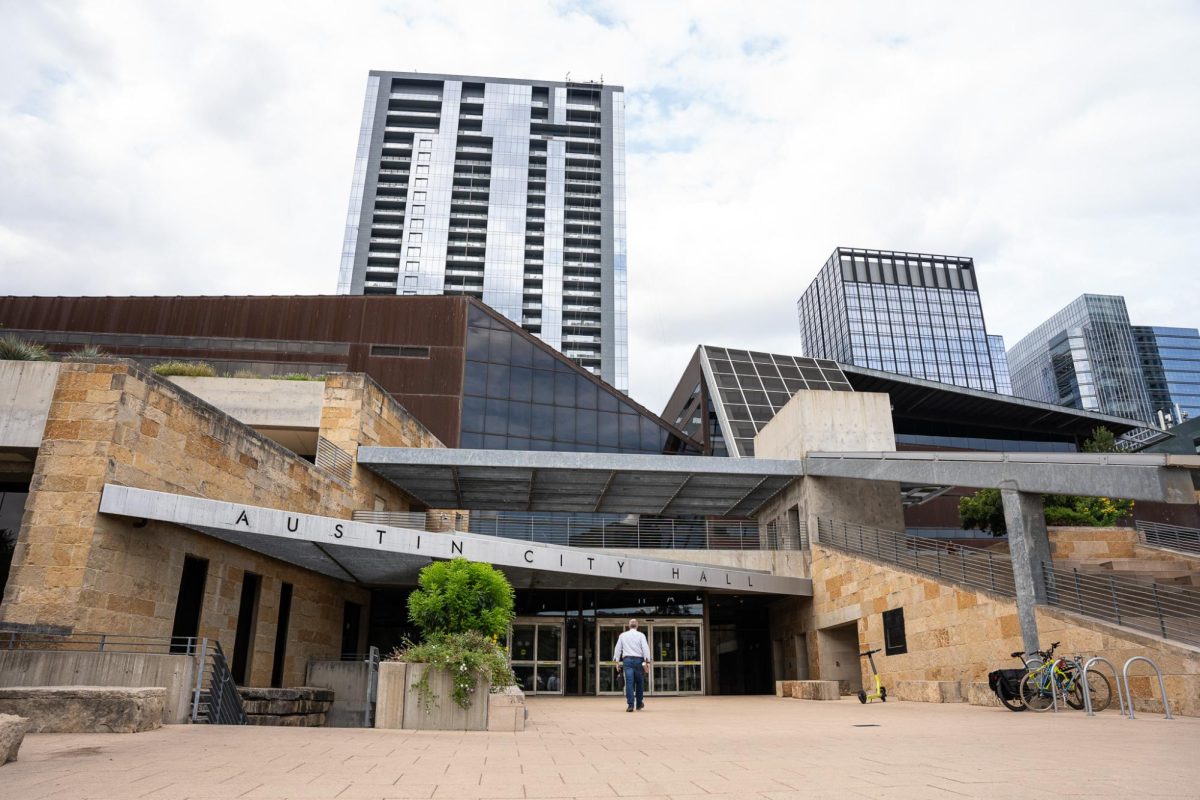
Austinites will vote in a tax rate election on Nov. 4 that could raise around $100 million for city services and raise property taxes by $300 per year for the average homeowner.
Proposition Q would allow the city to continue investing in homeless shelters, parks and public safety, among other initiatives, according to a city news release.
“These are programs and services that really help our most vulnerable (people),” Mayor Pro Tem Vanessa Fuentes said. “There’s a lot at stake here.”
If Proposition Q, the ballot item for the tax rate election, passes, it will increase the property tax rate to around 57 cents for every $100 of property value, an approximate 20% increase from last year’s property tax rate. The proposed rate was 5 cents higher than the state limit, which is what triggered the tax rate election in November.
Proposition Q would grant $1 million in additional funding for the Sobering Center, which has expanded its partnership with UT to provide a safe place for publicly intoxicated people to become sober and access resources for recovery.
Laura Elmore LeBlanc, CEO of the Sobering Center, said in an email that if Proposition Q passes, the funding increase would “nearly double the capacity of the center.” If Prop Q fails, the center would face a $300,000 shortfall, LeBlanc said.
“(This would) mean the expansion of needed services will not move forward, and there will likely be other cuts as well,” LeBlanc wrote.
District 5 Council Member Ryan Alter said Proposition Q personally affects UT students because it will affect park cleanup services, protections for renters and public health services. Proposition Q would provide funding for core public health programs, the domestic violence shelters and the family justice center, among others.
“Ask people what they like about Austin, and there’s something in (Proposition Q) that it touches,” said Alter. “In this budget, there is something that touches every single person’s life.”
Jeffery Bowen, an opponent of Proposition Q, sued the city on Aug. 17 over the ballot language, claiming it misled voters and did not clarify how the revenue would be used long term.
“The last phrase specifically referencing the ‘fiscal year 2025-2026 budget’ misleads voters to think this is just a one-time tax increase, when, in fact, the tax increase will roll forward in subsequent tax years and be an ever-increasing tax amount,” wrote Bill Aleshire, Bowen’s lawyer, in the lawsuit.
The Texas Supreme Court declined to hear the case on Sept. 12. Justice Evan Young said in his decision that Proposition Q should be left up to the voters.
Proposition Q supporters have launched a “Love Austin” campaign to encourage voter support. Joe Cascino, manager of the “Love Austin” campaign, said in a message to the Texan that Proposition Q is necessary to combat the federal funding cuts to city programs.
“Prop Q is not about taxes,” Cascino said. “It’s a statement of values. It says that Austinites choose to take care of one another.”
Dash Kostka, a music education senior and field organizer for the “Love Austin” campaign, said he hopes Proposition Q passes because it will have direct impacts on University students.
“Whether you’re an out-of-state student who had never stepped foot in Austin until last month or you’re a lifetime Austinite, whether Proposition Q succeeds or fails in November is going to affect you equally,” Kostka said.