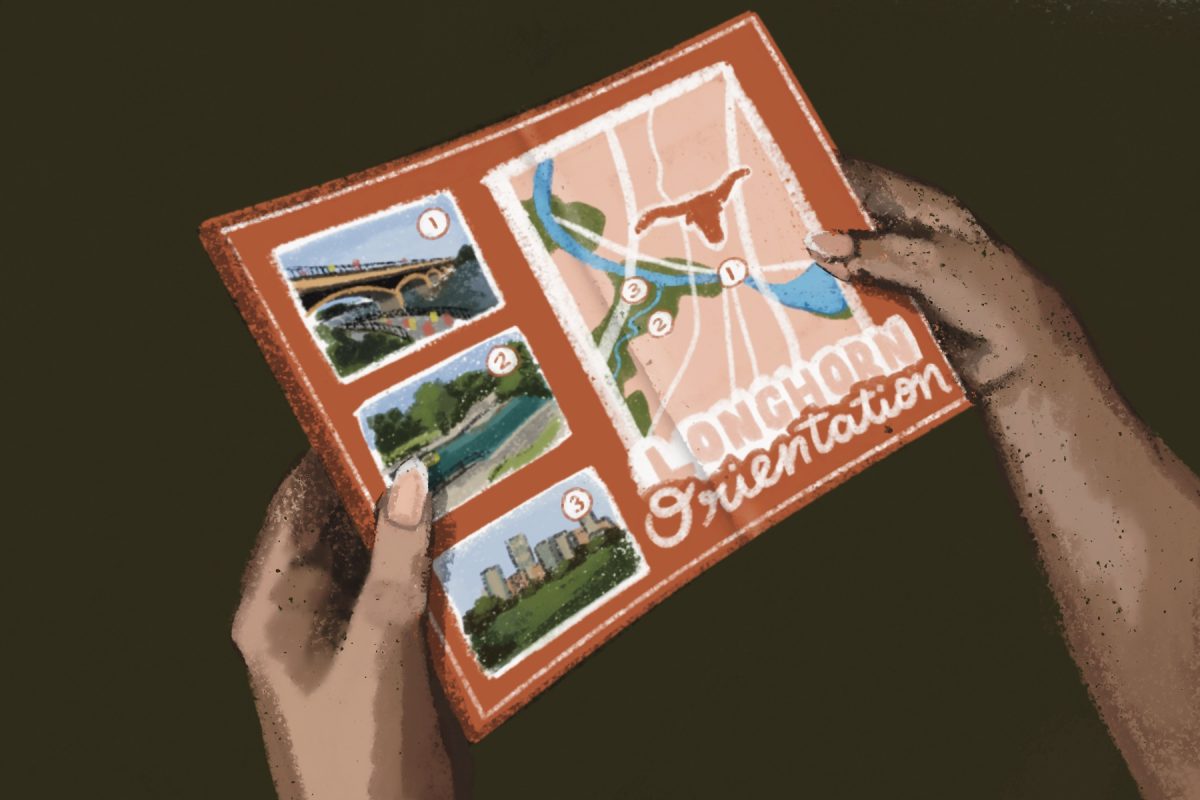
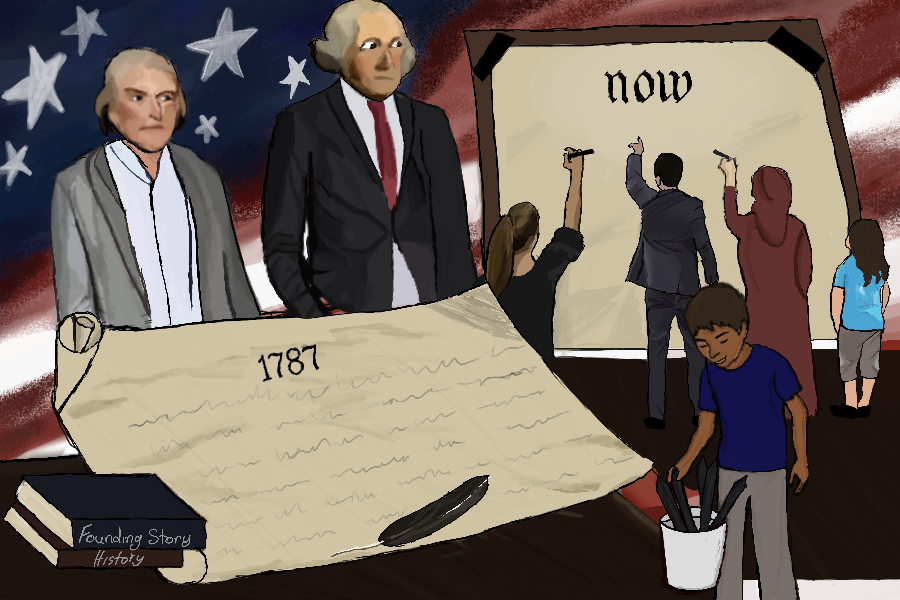
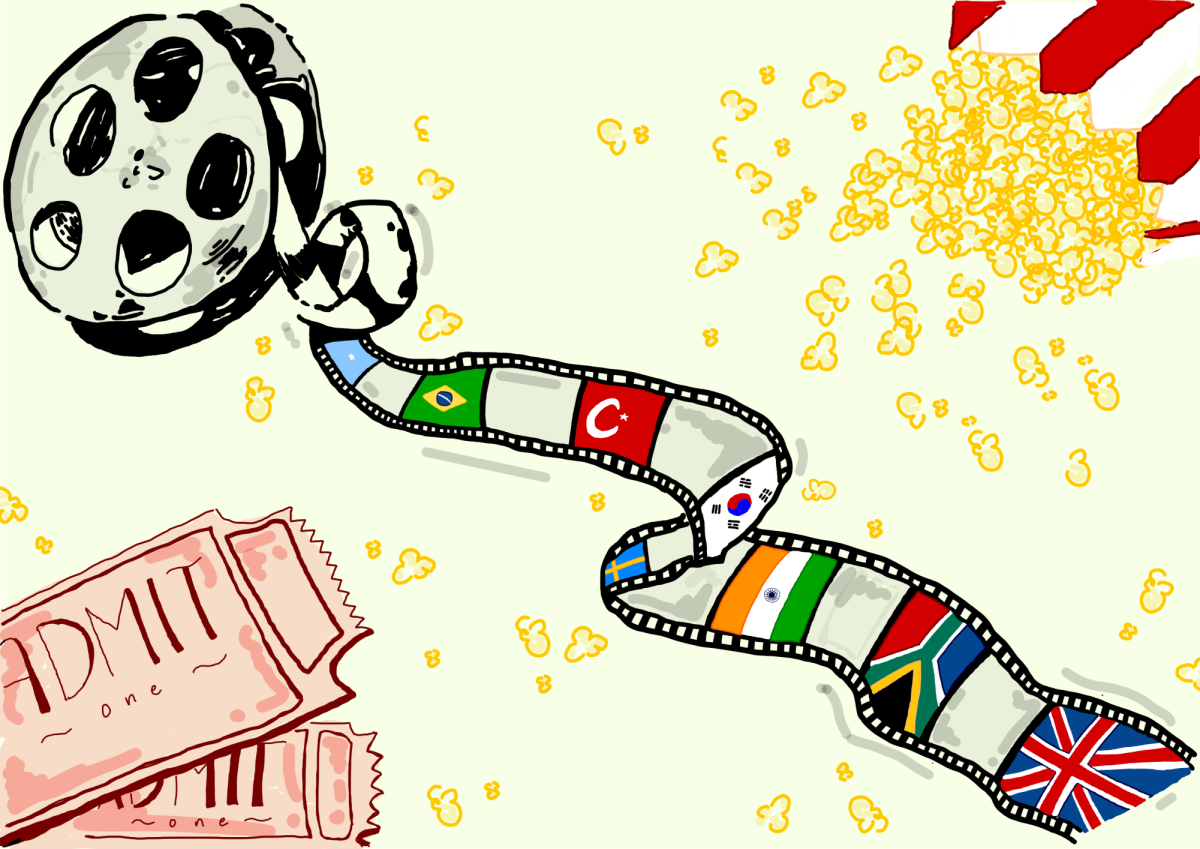
Encountering highly praised and beloved art that expresses prejudiced ideas isn’t uncommon. Many seemingly benign nineteenth-century American paintings are rooted in imperialist attitudes, classic films from Hollywood’s Golden Age are marked by a pervasive lack of female representation and UT’s own fight song has roots in racist minstrel shows.
However, their cultural status isn’t in spite of this prejudiced content — it’s arguably because of it. Art often functions as a means of reinforcing societal norms and dominant perspectives at the expense of marginalized groups. Whiteness, wealth, maleness and citizenship are privileged positions, not just in society but also in terms of representation. Notions of artistic greatness come from recognition in the form of both formal awards and the ability to exist in the public eye. When greatness is exclusive, culture excludes and misrepresents the marginalized.
Radio-television-film professor Mary Beltrán specializes in issues of diversity and inclusion, social hierarchy and race in media. She’s suspicious of the idea of universal greatness because of the subjective nature of experiencing art.
“Historically dominant groups have typically had access and control of media industries,” Beltrán said. “If we go back in time, it wasn’t necessarily movies or television or digital media as we would think of now, but certainly art had a similar function of depicting the perspectives of classes and groups with more power. Scholars who’ve studied the function of stereotypes and stereotyping historically have documented how images have often been constructed through the perspectives of the dominant group, and when groups with less status have been depicted, it’s often in a way that has justified social hierarchies.”
While these historical norms have evolved, the status given to its art remains. They are products of their time, but notions of greatness are what ensure that they are still known, taught and praised today. Cultural education often begins with “The Greats,” no matter how offensive they may be. At the same time, the cultural production — and full humanity — of marginalized groups is often left unseen and uncelebrated.
It’s easy to be alienated from art that reflects inequality, but consuming it critically is what helps to deconstruct notions of greatness. Putting these supposed masterpieces on a pedestal isn’t necessary, but refusing to engage with them at all is, in effect, refusing history.
“As a student, it’s big on having an open mind … and understanding … that even if something doesn’t align with your point of view, it’s still worth looking at,” journalism freshman Zion Tesfaye said. “(Art is) still worth reading into, even if you don’t agree with it.”
Ultimately, engaging with problematic art isn’t co-signing its cultural status; it’s an important step in deconstructing harmful stereotypes and understanding the roots of social hierarchy. It’s essential to consume art free from notions of greatness and with the intention of gaining a deeper understanding of the human condition. Rather than as essential benchmarks of culture or irredeemable remnants of bigotry, “the greats” are best understood as reflections of society, for better or often for worse.
Tuscano is a government sophomore from Round Rock, Texas.