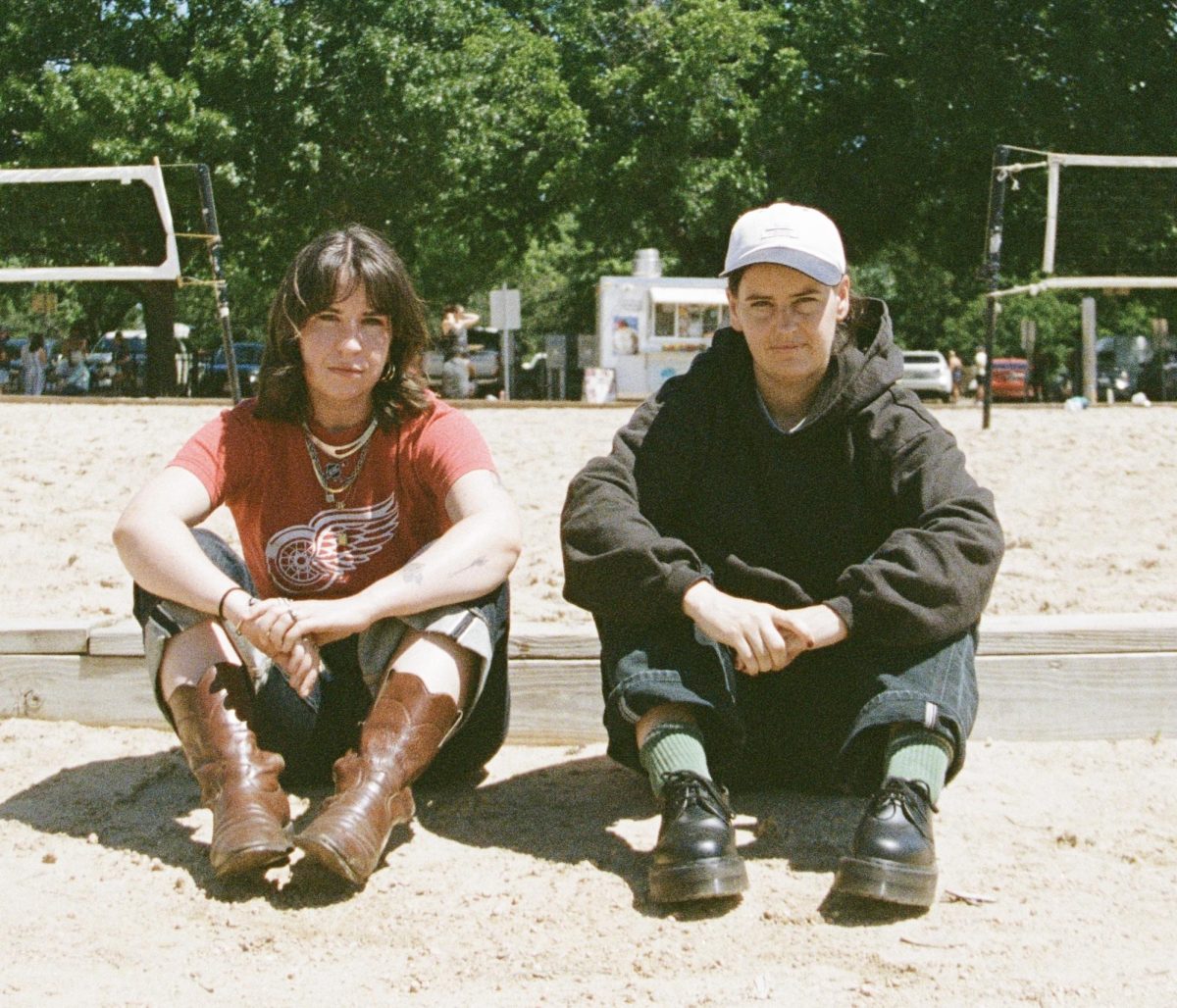
After graduating in 2016 with a bachelor’s degree in journalism, alumna Cassandra Jaramillo began working for ProPublica, a non-profit news organization specializing in investigative journalism. Jaramillo worked on a project, “The Life of the Mother,” mining death and hospital records of women who were affected after being denied access to an abortion. The Daily Texan sat down with Jaramillo to learn about her involvement in the 2025 Public Service Pulitzer-winning project.
The Daily Texan: What was the experience like getting records and working with this whole project?
Cassandra Jaramillo: This project was definitely the hardest reporting I have ever been involved in because of how difficult it is to get autopsy records in both Georgia and Texas. … It is like a needle in a haystack, where you really don’t know the full totality of what happened in one of these pregnancy-related deaths until you make contact with the family and request their loved one’s medical records. … I was really grateful that these families trusted us with their stories.
DT: Was there anything that you came across in your reporting that changed your perspective on reporting or journalism in general?
CJ: The story that I helped break of 28-year-old Josseli Barnica, I remember an interview where we were in the middle of the reporting, and it obviously looked like a very concerning case where this poor mother died of sepsis and a severe infection in her uterus. I remember an interview that I did with an expert who (said) ‘This type of death (was) a hypothetical that doctors kept warning was going to end up happening.’ … As we interviewed a dozen other experts, they unanimously all shared the same thing, that this woman’s death was preventable. … She needed this procedure that now was banned in the state of Texas. But, that story was one where every day, I think about Josseli and her family. It stays with you, that type of reporting.
DT: As a ProPublica reporter, were there times that you had different articles to write or different things to report on as well as this series?
CJ: When you’re an investigative reporter, you’re always juggling different potential news stories. But, whenever the project really became clear that we were going to be able to show the scope of pharm in Georgia and Texas, this became our sole focus. … It’s a real testament to your editors and obviously the people who donate to ProPublica. That is what makes it possible to do this level of ambitious investigative reporting, being able to have the precious resources of time and support to do the longfall, difficult, shoe leather reporting that you have to do to be able to tell stories like this.
DT: What (went) through your head when you (got) that notification that you got a Pulitzer Prize?
CJ: It was an incredibly surreal moment. … I remember feeling like now the stories of all these women who we wrote about (will) get more exposure. They’ll forever be remembered because an institution like (Columbia University and the Pulitzer Board) recognized them, and (we have) a very deep gratitude to the families (of the women), because without them, their bravery (and) their trust, we wouldn’t have been able to do this reporting.