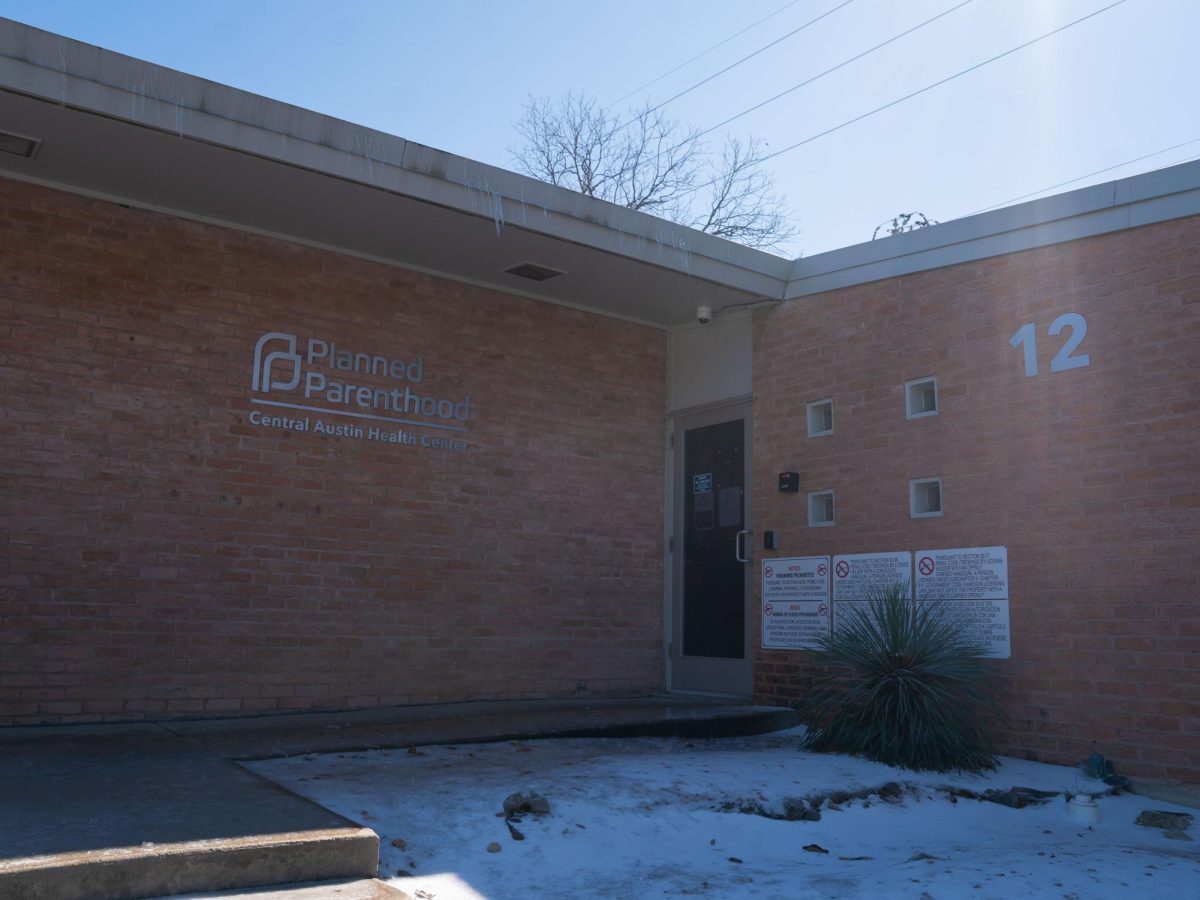
The Texas Third District Court of Appeals in Austin ruled Jan. 16 that three Planned Parenthood affiliates, along with other pro-choice groups, could continue their lawsuit against Texas Right to Life.
Planned Parenthood, which provides sexual and reproductive health care, sued Texas Right to Life, a pro-life lobbying organization, in 2021 over the Texas Heartbeat Act. While the act did not criminalize abortion through law enforcement or criminal trial, it allowed private citizens to sue others over having an abortion while a fetal heartbeat is detected.
Other appellees who sued Texas Right to Life alongside Planned Parenthood argued that the Heartbeat Act was designed to “insulate it(self) from any judicial review” by allowing private citizens to enforce the law instead of public officials.
“(The Texas Heartbeat Act) was a deliberate attempt to see how much harm Texas anti-abortion politicians could get away with while hiding behind private lawsuits,” wrote Shellie Hayes-McMahon, executive director of Planned Parenthood Texas Votes, in a statement. “It created a legal loophole to ban abortion before Roe even fell, and it showed exactly how far anti-abortion lawmakers were willing to go to strip Texans of their rights.”
A Travis County judge ruled in favor of Planned Parenthood in 2021 and put a restraining order on Texas Right to Life, preventing the organization from suing the Planned Parenthood affiliates for violating the Heartbeat Act. The Texas Third District Court of Appeals then heard the case.
John Seago, president of Texas Right to Life, wrote in a statement that the appellate court’s decision was a “bad ruling,” and Texas Right to Life will appeal it.
“They had no standing to preemptively sue us because they feared our legitimate use of the new law,” Seago wrote in the statement.
After Roe v. Wade was overturned in 2022, Texas prohibited all abortions, including in cases of rape or incest, unless the life of the patient is at risk.
“Laws like (the Heartbeat Act) don’t protect pregnant people or families,” Hayes-McMahon wrote. “They were designed to intimidate, isolate, and punish — and Texans have been living with the consequences ever since. This moment matters because it forces our courts to decide whether, for once, they’ll put Texans’ health, dignity, and freedom first.”