The NCAA recently approved a proposal allowing college programs to implement commercial patches on jerseys, which provides a new opportunity for revenue generation to fund Name, Image and Likeness efforts.
When this new rule takes effect on Aug. 1, schools will be allowed to place up to two commercial logo patches no larger than 4 square inches on uniforms and apparel, along with an additional logo on equipment.
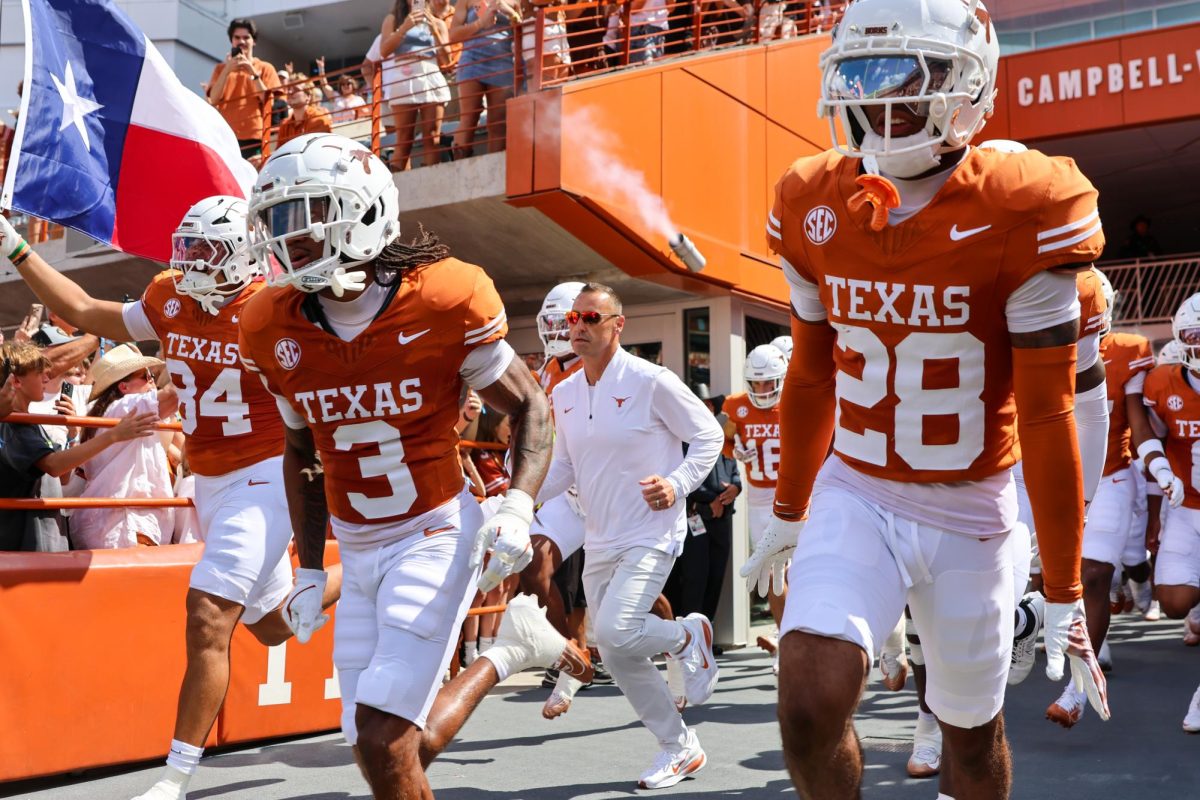
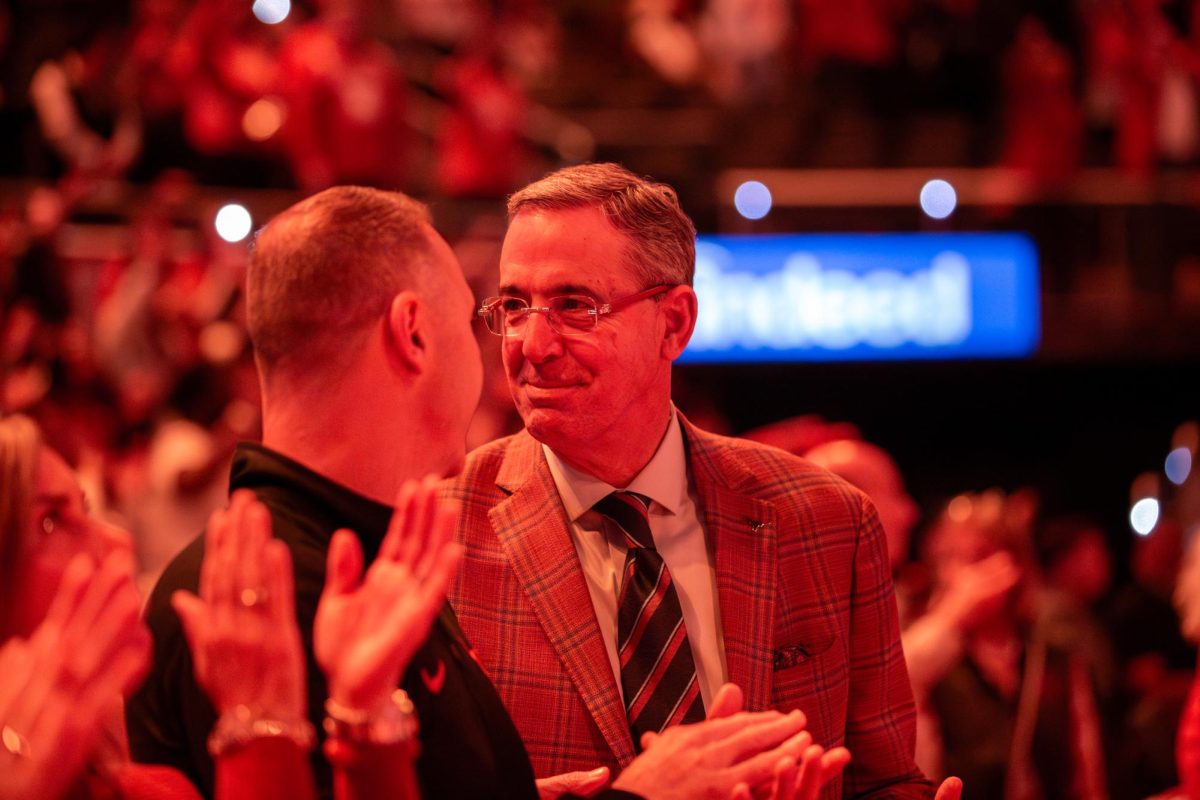
However, as Texas athletic director Chris Del Conte made abundantly clear at the recent Texas Athletics Town Hall, fans shouldn’t expect any logos on Longhorns’ jerseys this fall.
“We’re burnt orange and white,” Del Conte said at the town hall. “We’re not wearing black, we’re not wearing green … Why would I want to put Sonic on my jersey?”
But Del Conte not wanting Sonic’s logo on Texas jerseys doesn’t mean other programs don’t want it on theirs. Jersey sponsorships have been something that some schools have pushed for throughout these past few months.
Nebraska Athletic Director Troy Dannen argued that the NCAA’s modernization of its rules makes this approval “overdue,” and Texas Tech Athletic Director Kirby Hocutt said that Adidas is open to the idea of additional sponsorships if it can help the Red Raiders advance their athletic program.
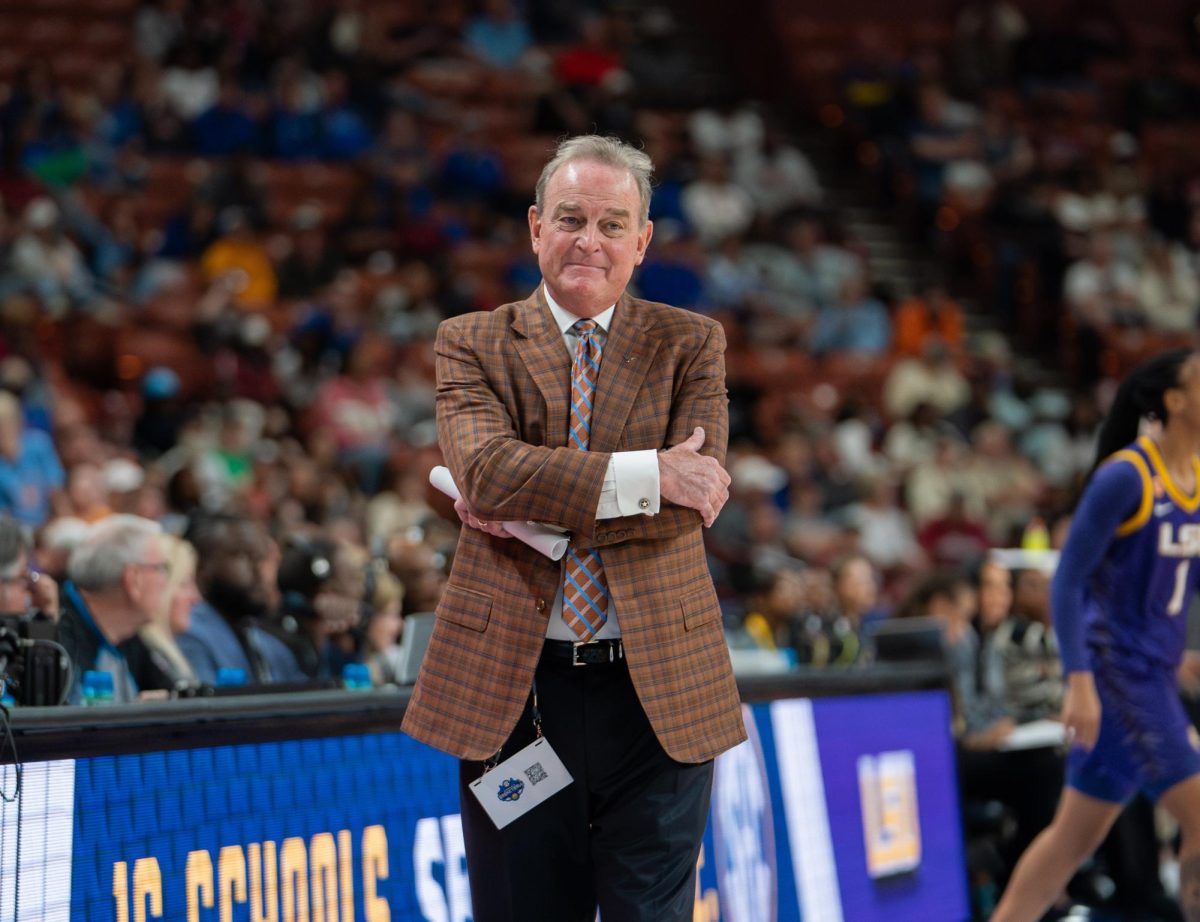
LSU signed a multimillion-dollar contract before the proposal even got approved on Jan. 23, making them the first SEC program to publicize this sort of progress with jersey sponsorships.
In an age where players have lofty expectations of their compensation through NIL, schools have to continue finding creative ways to foot the bills. The House v. NCAA settlement has allowed athletic programs to distribute up to $20.5 million directly to athletes, a number set to increase by 4% annually over the next two years. The numbers will then be re-evaluated every three years throughout the 10-year settlement period.
As the financial burden on athletic programs increases, so does the incentive to capitalize on new business opportunities. Luckily for participating schools, the NCAA has been incorporating new commercial possibilities into the rulebook of collegiate athletics for the past couple of years.
In 2024, the NCAA Playing Rules Oversight Panel approved a proposal permitting commercial logos on football fields for regular-season games.
Del Conte initially opposed the rule with vigor. However, just one season later, Texas announced a partnership with Humann, which included the implementation of the company’s logo on the field at Darrell K Royal-Texas Memorial Stadium.
Granted, Del Conte believes Humann’s relationship with the Longhorns is deeper than a paycheck, given that the cardiovascular health company was founded from a research program at the University of Texas Health Science Center.
“We put a logo on the field that I took a lot of grief for, but that logo was germane to the University of Texas,” Del Conte said.
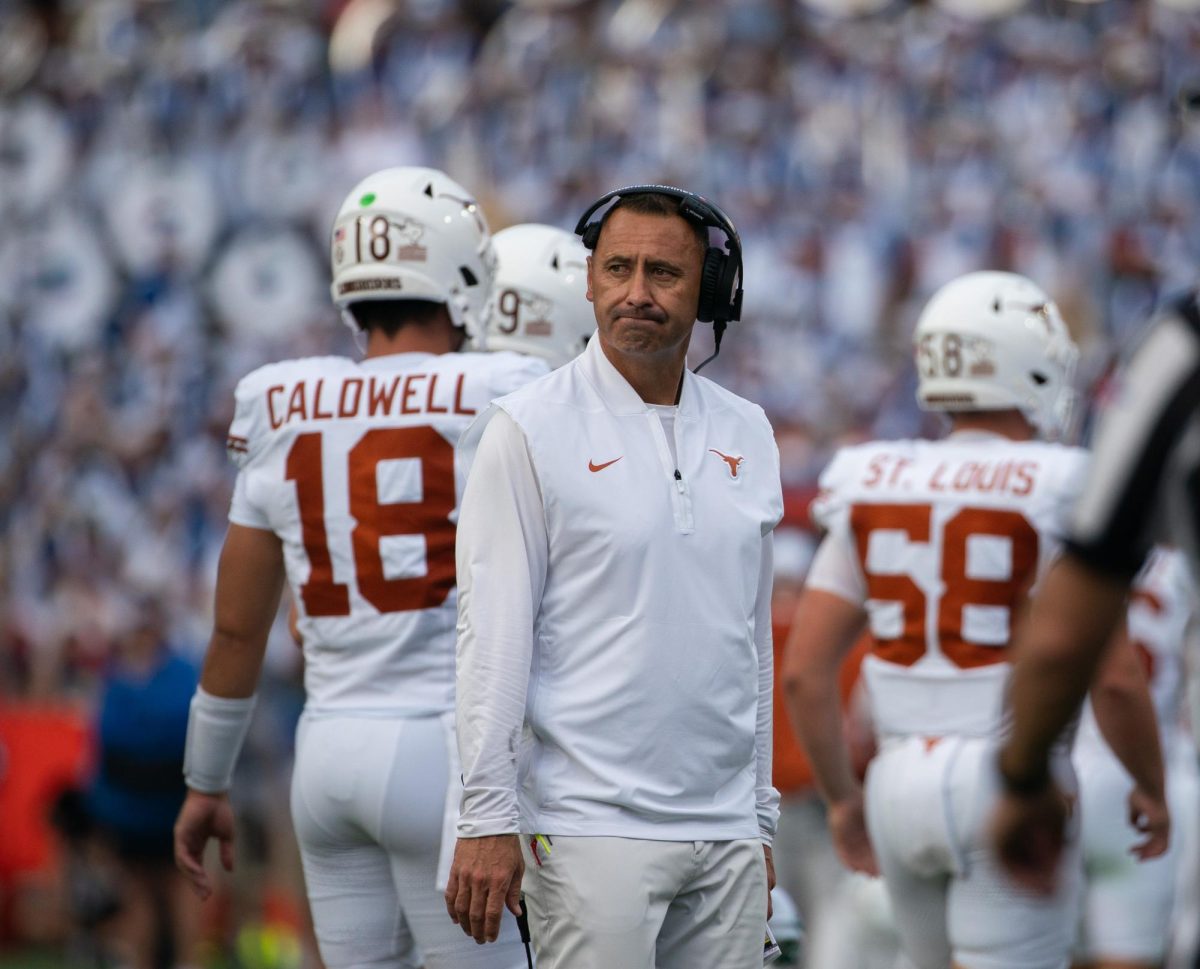
He argues that jersey sponsorships, however, are off the table. Head football coach Steve Sarkisian said last August that his players’ jerseys are “sacred ground” and therefore won’t be tampered with.
Del Conte seems to echo that sentiment, adding that Texas doesn’t need to turn to this method for financial support.
“There will be schools that do that, and I have no umbrage with that,” Del Conte said. “But you have to also protect what we are. If I can build an ecosystem around us that is great enough to sustain us, why would I (implement jersey patches)?”
Texas might be able to outfund some programs independently of jersey sponsorships, but if and when the majority of the nation’s schools embrace this new concept, time will reveal if Del Conte’s opposition remains intact.